Blog
Bihar Natural Vegetation: Complete Guide to Forest Types, Importance & Conservation


Table of Contents
- Understanding Bihar Natural Vegetation: Climatic and Topographic Drivers
- Tropical Moist Deciduous Forests: The Terai Stronghold
- Tropical Dry Deciduous Forests: The Plateau Fringe
- Wetland and Riverine Vegetation: The Dynamic Floodplain
- Ecological Significance of Bihar's Forests
- Biodiversity Conservation and Habitat Connectivity
- Soil and Water Conservation in an Agrarian Landscape
- Climate Resilience and Carbon Sequestration
- Economic and Livelihood Dimensions
- Non-Timber Forest Products: The Rural Economy's Backbone
- Ecotourism: An Emerging Revenue Stream
- Timber and Fuelwood: Balancing Demand and Sustainability
- Social-Cultural Fabric and Forest Communities
- Tribal Traditions and Forest Identity
- Sacred Groves and Religious Heritage
- Challenges Threatening Bihar Natural Vegetation
- Deforestation and Fragmentation Pressures
- Climate Stress and Invasive Species
- Human-Wildlife Conflict
- Conservation Initiatives and Governance Framework
- Protected Area Network Expansion
- Joint Forest Management and Community Participation
- Afforestation and Green Missions
- BPSC Exam Focus: Mastering Bihar Natural Vegetation
- High-Yield Topics and Data Points
- Previous Year Question Patterns
- Answer Writing Strategy for Mains
- Conclusion: Securing Bihar's Green Future
Bihar natural vegetation presents a fascinating ecological mosaic shaped by the state’s unique position straddling the fertile Indo-Gangetic Plains and the ancient Chota Nagpur Plateau. Despite a modest forest cover of just 7.74% according to the India State of Forest Report (ISFR) 2021, the diversity of Bihar natural vegetation plays an outsized role in the state’s ecological security, economic livelihoods, and cultural heritage. For BPSC aspirants and geography enthusiasts alike, understanding this vegetation cover is not merely an academic exercise—Bihar natural vegetation is essential for grasping the environmental challenges and developmental opportunities facing Bihar today.
- Forest Cover: 7.74% of geographical area (ISFR 2021), concentrated in West Champaran, Kaimur, and Jamui districts.
- Major Forest Types: Tropical Moist Deciduous, Tropical Dry Deciduous, and Wetland/Riverine vegetation.
- Flagship Protected Area: Valmiki Tiger Reserve (West Champaran) – Bihar’s only tiger reserve.
- Key Economic Products: Sal timber, Mahua flowers, Lac, medicinal herbs, and bamboo.
- Conservation Framework: Joint Forest Management (JFM), National Mission for Green India, and protected area network.
Understanding Bihar Natural Vegetation: Climatic and Topographic Drivers
The distribution and character of Bihar natural vegetation are fundamentally controlled by two factors: the southwest monsoon rainfall gradient and the dramatic topographic transition from the Gangetic alluvium to the plateau fringes. Annual rainfall varies from over 1,800 mm in the northwestern Terai belt to under 1,000 mm in the southern plateau districts. This gradient, combined with soil variations—from deep alluvial loams to lateritic plateau soils—creates distinct phytogeographic zones.
Tropical Moist Deciduous Forests: The Terai Stronghold
Concentrated in the high-rainfall Terai region of West Champaran district, these forests represent the most biologically rich expression of Bihar natural vegetation. The Valmiki Tiger Reserve, spanning 899.38 sq km, forms the core of this zone. Dominated by Shorea robusta (Sal), which constitutes 60-80% of the canopy, these forests also harbor Madhuca longifolia (Mahua), Terminalia arjuna (Arjun), Dendrocalamus strictus (Bamboo), and a rich understory of shrubs and climbers.
The moist deciduous character means trees shed leaves briefly during the dry season (March–April) but retain a largely green canopy for 8-9 months. This zone supports exceptional biodiversity: Bengal tiger (Panthera tigris tigris), Indian leopard (Panthera pardus), sloth bear (Melursus ursinus), and over 250 bird species including the great hornbill. The Valmiki National Park forms the easternmost limit of the tiger’s range in the Himalayan Terai arc, making Bihar natural vegetation a conservation priority of national significance.
Tropical Dry Deciduous Forests: The Plateau Fringe
As one moves south toward the Kaimur Plateau, Rohtas, and Jamui districts, rainfall declines and Bihar natural vegetation transitions to tropical dry deciduous forests. Here, Sal becomes less dominant, giving way to a mixed canopy of Anogeissus latifolia (Dhaw), Boswellia serrata (Salai), Lannea coromandelica (Jhingan), Acacia catechu (Khair), and drought-hardy species like Azadirachta indica (Neem) and Ficus religiosa (Peepal).
These forests exhibit a pronounced leafless period of 3-4 months (February–May), an adaptation to seasonal water stress. The Kaimur Wildlife Sanctuary (1,342 sq km) and Bhimbandh Wildlife Sanctuary (682 sq km) protect representative tracts. Notably, the dry deciduous zone harbors significant populations of chinkara (Gazella bennettii), four-horned antelope (Tetracerus quadricornis), and the endangered Indian pangolin (Manis crassicaudata).
Wetland and Riverine Vegetation: The Dynamic Floodplain
A unique and often overlooked component of Bihar natural vegetation is its wetland and riverine ecosystems. The Gandak, Koshi, Bagmati, and Mahananda rivers create a shifting mosaic of oxbow lakes (mauns), seasonal marshes, and riparian forests. Species like Barringtonia acutangula (Hijal), Tamarindus indica (Imli), and various Ficus spp. line riverbanks, while submerged and floating vegetation—Hydrilla, Vallisneria, Nymphaea—thrives in perennial water bodies.
These wetlands, including the Kawar Lake (Bihar’s only Ramsar site, designated in 2020) and Baraila Lake, serve as critical stopovers on the Central Asian Flyway. Over 100 migratory bird species, including the endangered greater adjutant stork (Leptoptilos dubius) and Siberian crane (Leucogeranus leucogeranus), depend on these habitats. The India State of Forest Report 2021 highlights that Bihar’s tree cover outside recorded forest areas—much of Bihar natural vegetation riverine and agroforestry plantations—contributes significantly to the state’s green cover.
Ecological Significance of Bihar’s Forests
Biodiversity Conservation and Habitat Connectivity
The forests of Bihar natural vegetation function as more than isolated patches; they form critical linkages in larger landscape-level conservation networks. Valmiki Tiger Reserve connects with Chitwan National Park in Nepal via the Barandabhar corridor, enabling transboundary tiger movement. Similarly, the Kaimur hills extend into Uttar Pradesh’s Chandraprabha and Sonbhadra forests, maintaining genetic connectivity for wide-ranging species. The Bihar Forest Department’s 2022 camera trap survey confirmed tiger presence in Valmiki with an estimated 31 individuals, a significant recovery from single-digit estimates a decade ago.
Soil and Water Conservation in an Agrarian Landscape
With over 75% of Bihar’s population dependent on agriculture, the watershed protection role of Bihar natural vegetation is economically vital. The forested catchments of the Kaimur and Rajgir hills regulate runoff, reducing flash floods in the plains and recharging aquifers that feed irrigation systems. Studies by the Indian Council of Forestry Research and Education (ICFRE) estimate that the soil conservation value of Bihar’s hill forests exceeds ₹500 crore annually in prevented agricultural losses. The Rajgir hills, though small in extent, protect the historic Nalanda and Rajgir archaeological landscapes from erosion.
Climate Resilience and Carbon Sequestration
As one of India’s most climate-vulnerable states—facing recurrent floods, droughts, and heatwaves—Bihar’s forests provide essential ecosystem-based adaptation. The total carbon stock in Bihar’s forests was estimated at 42.6 million tonnes in ISFR 2021, with an annual sequestration potential of 1.2 million tonnes CO₂ equivalent. The state’s Climate Action Plan identifies afforestation of degraded lands and riverbank plantation as key mitigation strategies, directly linking Bihar natural vegetation management to national commitments under the Paris Agreement.
Economic and Livelihood Dimensions

Non-Timber Forest Products: The Rural Economy’s Backbone
For tribal and forest-fringe communities, Bihar natural vegetation is a primary source of cash income through non-timber forest products (NTFPs). Bihar is among India’s top producers of Lac (shellac), with the Kusmi and Palas Lac host trees (Schleichera oleosa and Butea monosperma) abundant in the southern plateau districts. The state’s Lac production, centered in Jamui, Banka, and Nawada, supports over 50,000 tribal families. Mahua flowers (Madhuca longifolia), collected April–June, provide seasonal income and nutritional security; a single mature tree yields 50-100 kg of flowers annually.
Medicinal plants represent a growing economic segment. Species like Asparagus racemosus (Shatavari), Withania somnifera (Ashwagandha), and Tinospora cordifolia (Giloy) are harvested from the wild and increasingly cultivated under the National Medicinal Plants Board’s schemes. The Bihar State Minor Forest Produce Cooperative Development Federation coordinates procurement, ensuring minimum support prices for 12 notified NTFPs.
Ecotourism: An Emerging Revenue Stream
Wildlife tourism centered on Valmiki Tiger Reserve and Bhimbandh Wildlife Sanctuary generates direct employment for local communities as guides, drivers, and hospitality staff. The Bihar Tourism Department’s 2023 data records over 45,000 annual visitors to Valmiki alone, with revenue exceeding ₹2 crore. The lesser-known Karkatgarh Waterfall (Kaimur) and Telhar Kund (Rohtas) are being developed as nature tourism circuits, diversifying the economic valuation of Bihar natural vegetation beyond extractive uses.
Timber and Fuelwood: Balancing Demand and Sustainability
While commercial timber extraction from natural forests is largely banned under the 1988 National Forest Policy, Sal and Teak from government plantations meet construction and furniture demand. The Bihar Forest Development Corporation manages 15,000 hectares of commercial plantations. Fuelwood remains the primary cooking energy for 65% of rural households (NFHS-5), creating pressure on accessible forest fringes. The Ujjwala Yojana’s LPG penetration (now over 85% in Bihar) is gradually reducing this dependency, but sustainable fuelwood lots under Joint Forest Management remain essential for energy security.
Social-Cultural Fabric and Forest Communities
Tribal Traditions and Forest Identity
The Tharu community of West Champaran, recognized as a Scheduled Tribe in Bihar since 2016, exemplifies the deep cultural entanglement with Bihar natural vegetation. Their traditional knowledge of forest species, seasonal resource use, and community-based conservation practices—such as the “Barna” system of rotational resource harvesting—offer models for sustainable management. The Oraon, Santhal, and Kharwar communities of the southern plateau similarly maintain sacred groves (Sarna Sthal) where specific tree species are protected for spiritual reasons, creating de facto biodiversity reservoirs.
Sacred Groves and Religious Heritage
Beyond tribal traditions, mainstream religious practices have preserved forest patches across Bihar. The Brahmayoni and Pretshila hills in Gaya, associated with Buddhist and Hindu ancestor rites, retain native tree cover. The Mundeshwari Temple hills (Kaimur), one of India’s oldest functional temples (dated to 108 CE), are forested with ancient Ficus religiosa and Mangifera indica specimens. These sacred groves, though small, collectively conserve genetic diversity and provide cultural ecosystem services that formal protected areas cannot replicate.
Challenges Threatening Bihar Natural Vegetation
Deforestation and Fragmentation Pressures
Despite legal protections, Bihar natural vegetation faces relentless pressure. The Forest Survey of India’s decadal change analysis (2011-2021) shows a net loss of 23 sq km of moderately dense forest, offset partially by gains in open forest and tree cover outside forests. Key drivers include: (1) agricultural encroachment on forest fringes, particularly in Kaimur and Jamui; (2) illegal felling for timber and fuelwood, estimated at 15-20% of total extraction; (3) linear infrastructure—roads, railways, transmission lines—fragmenting corridors; and (4) sand mining in riverbeds destroying riparian vegetation.
Climate Stress and Invasive Species
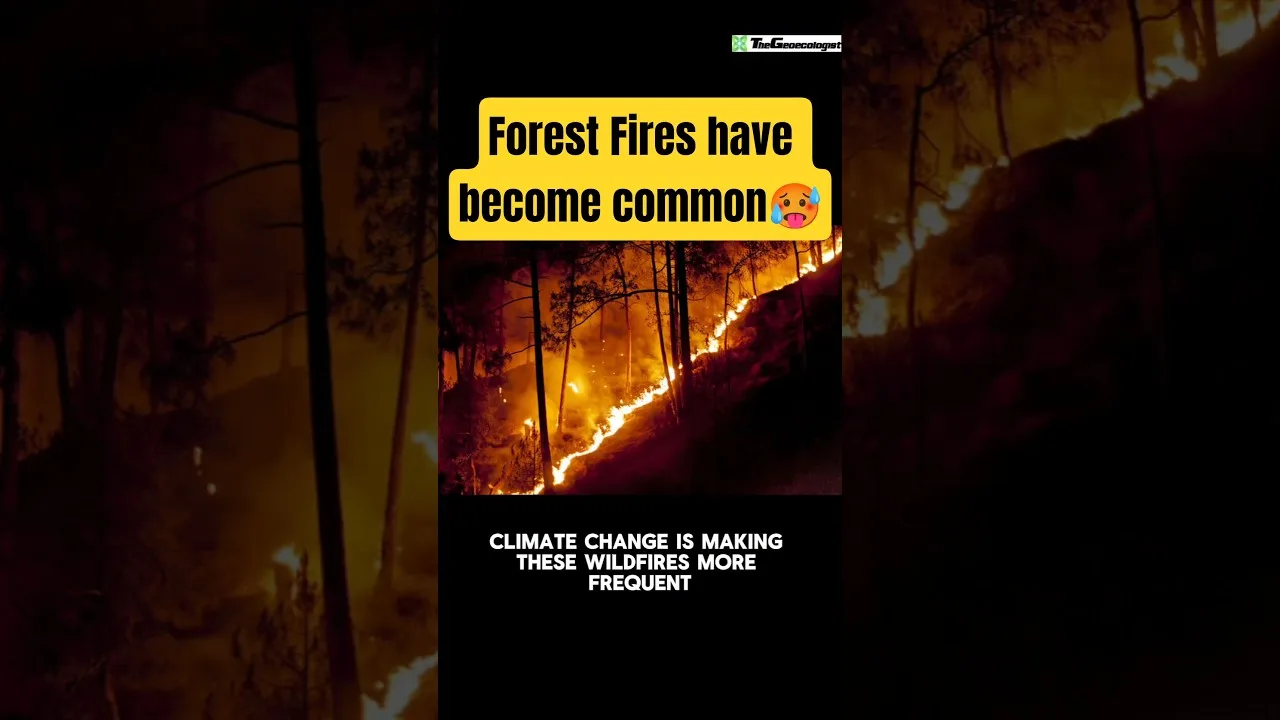
Erratic monsoon patterns—increasingly concentrated rainfall events interspersed with prolonged dry spells—stress forest ecosystems. The 2019-2021 period saw widespread Sal mortality in Valmiki attributed to climate-induced water stress and secondary pathogen attacks. Invasive alien species pose a silent threat: Lantana camara dominates understories across 40% of Bihar’s forest area, suppressing regeneration; Prosopis juliflora invades grasslands and wetlands; and Eichhornia crassipes (water hyacinth) chokes oxbow lakes, reducing habitat for native aquatic vegetation.
Human-Wildlife Conflict
As forest cover shrinks and human populations expand, conflict escalates. The Bihar Forest Department reports 12-15 human fatalities annually from tiger, leopard, and sloth bear encounters, primarily in West Champaran. Crop raiding by nilgai (Boselaphus tragocamelus), wild boar (Sus scrofa), and elephants (seasonal migrants from Nepal) affects thousands of farmers. The state’s compensation scheme (₹4 lakh for human death, crop damage at market rates) is often delayed, breeding resentment against conservation.
Conservation Initiatives and Governance Framework
Protected Area Network Expansion
Bihar’s protected area network covers 3.7% of geographical area (3,412 sq km), below the national average of 5.26%. The state has notified one national park (Valmiki), 12 wildlife sanctuaries, and two conservation reserves (Nagi and Nakti Dam bird sanctuaries). The 2022 proposal to declare Kaimur Wildlife Sanctuary as a tiger reserve—given confirmed tiger presence and connectivity with Uttar Pradesh’s Ranipur Tiger Reserve—would significantly elevate protection status and central funding.
Joint Forest Management and Community Participation
The Joint Forest Management (JFM) programme, revitalized under the 2017 Bihar JFM Resolution, involves 1,200 Village Forest Committees managing 1.2 lakh hectares of degraded forest land. Benefit-sharing mechanisms (50% of timber, 100% of NTFPs to communities) have improved protection outcomes. The Tharu women’s SHGs in Valmiki fringe villages demonstrate successful Lac cultivation on forest edges, reducing extraction pressure on core areas while enhancing incomes.
Afforestation and Green Missions
Under the National Mission for a Green India (GIM), Bihar targets 1 lakh hectares of afforestation and 50,000 hectares of eco-restoration by 2030. The state’s flagship “Jal-Jeevan-Hariyali” mission (launched 2019) integrates water conservation, plantation, and climate resilience, with ₹24,000 crore allocated over three years. Over 5 crore saplings were planted in 2023 alone, though survival rates (officially 65-70%) remain a concern. The Bihar Environment and Forest Department now uses geo-tagged monitoring and drone surveillance to improve plantation accountability.
BPSC Exam Focus: Mastering Bihar Natural Vegetation
High-Yield Topics and Data Points
For BPSC aspirants, Bihar natural vegetation yields questions across Prelims (factual) and Mains (analytical). Must-know data includes: forest cover percentage (7.74%, ISFR 2021), district-wise cover leaders (West Champaran > Kaimur > Jamui), protected area list with years of notification, flagship species per reserve, NTFP items under MSP, and JFM resolution provisions. Recent exams have asked about: the ecological role of Valmiki in tiger corridor connectivity, Lac cultivation economics in southern Bihar, and the Jal-Jeevan-Hariyali mission’s forestry components.
Previous Year Question Patterns
Analysis of BPSC 64th-68th CCE papers reveals recurring themes: (1) Forest types and their characteristic species—match-the-column questions are common; (2) Wetland conservation—Kawar Lake’s Ramsar designation (2020) and migratory bird species; (3) Tribal-forest interface—Forest Rights Act 2006 implementation status in Bihar; (4) Climate-forest linkages—carbon stock data from ISFR reports; (5) Government schemes—Green India Mission, CAMPA fund utilization, and state-specific programmes.
Answer Writing Strategy for Mains
Mains answers on Bihar natural vegetation should follow a structure: (a) Definition/classification with map-based locational context; (b) Ecological significance with specific examples (Valmiki tiger corridor, Kawar Lake migratory birds); (c) Economic valuation—NTFP data, tourism revenue, carbon sequestration estimates; (d) Challenges with evidence (ISFR fragmentation data, invasive species spread); (e) Policy response—central and state schemes with budget allocations; (f) Way forward—corridor restoration, community stewardship, climate-adaptive silviculture. Diagrams of forest type distribution and protected area locations fetch extra marks.
Conclusion: Securing Bihar’s Green Future
The story of Bihar natural vegetation is one of resilience amid constraint. From the tiger-roamed Sal forests of Valmiki to the Lac-yielding woodlands of Jamui, from the sacred groves of Gaya to the migratory havens of Kawar Lake, these ecosystems sustain life in myriad visible and invisible ways. The 7.74% forest cover statistic masks a deeper truth: every hectare of Bihar’s forest is disproportionately valuable in a state where land pressure is among the highest in the world.
For the BPSC aspirant, mastering this subject means more than memorizing forest types—Bihar natural vegetation means understanding the intricate web connecting ecology, economy, and equity. The forests of Bihar are not relics of the past; they are critical infrastructure for the future. As the state pursues its development aspirations, the governance of Bihar natural vegetation will determine whether growth is ecologically sustainable and socially just. The tools exist—robust laws, community institutions, scientific knowledge, and growing public awareness. The challenge lies in integration and implementation.
For comprehensive preparation, leverage TheGeoecologist’s specialized Bihar Geography courses and the Bihar Geography E-book, which offer structured, exam-oriented coverage of forest ecology, conservation policies, and previous year question analysis. Follow TheGeoecologist on Instagram and subscribe to their YouTube channel for regular updates on Bihar’s environmental governance, BPSC strategy, and current affairs integration. Align your preparation with Bihar’s ecological heartbeat—because the forest is not just a topic in the syllabus; it is the foundation of the state’s future. 🌳📚
Frequently Asked Questions
Bihar's forest cover stands at 7.74% of its geographical area according to the India State of Forest Report (ISFR) 2021, with the highest concentration in West Champaran, Kaimur, and Jamui districts.
Bihar natural vegetation comprises three major forest types: Tropical Moist Deciduous (West Champaran, Valmiki), Tropical Dry Deciduous (Kaimur Plateau, Rohtas, Jamui), and Wetland/Riverine vegetation along the Gandak, Koshi, and other river systems.
Major NTFPs from Bihar natural vegetation include Lac (shellac), Mahua flowers, medicinal herbs (Shatavari, Ashwagandha, Giloy), bamboo, and honey. Bihar is a leading Lac producer, supporting over 50,000 tribal families in southern districts.