Blog
India Drinking Water Sources: Complete Guide to Origins & Crisis

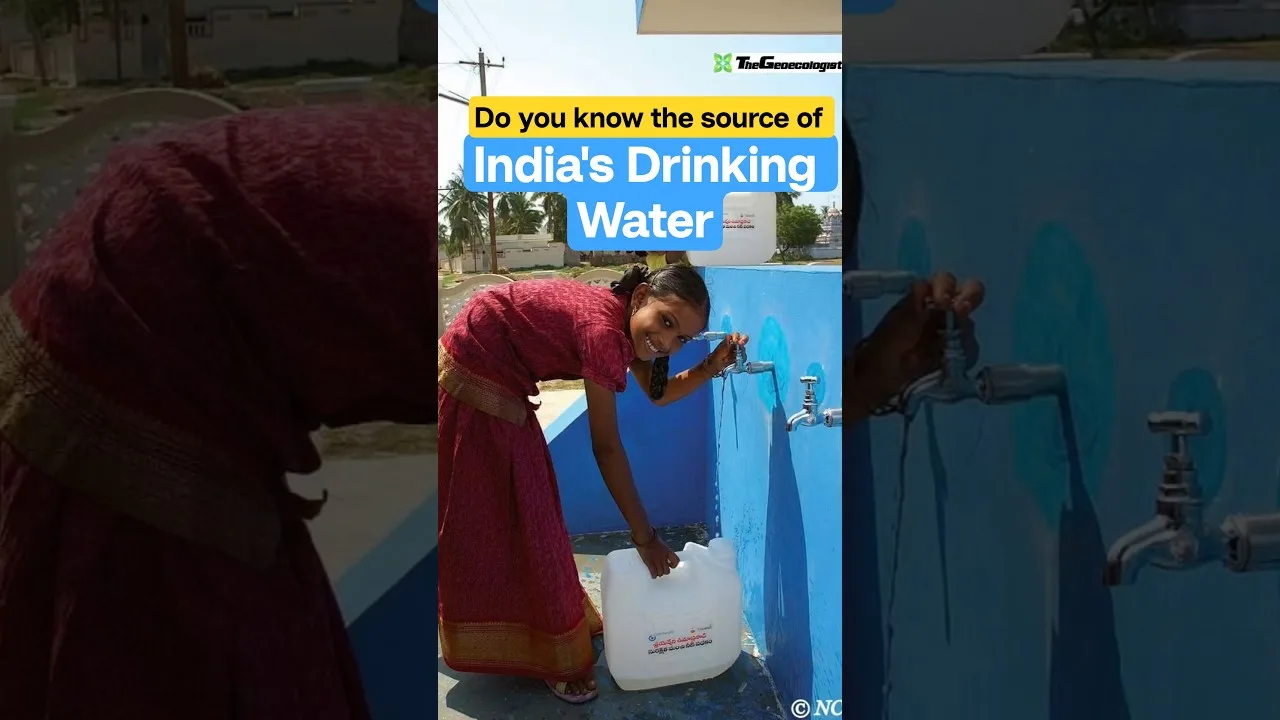
Table of Contents
- Primary Categories of India Drinking Water Sources
- Groundwater: The Invisible Lifeline
- Surface Water: Rivers, Reservoirs & Lakes
- Rainwater & Alternative Sources
- Governance & Institutional Framework
- Central Level
- State & Local Level
- The Escalating Crisis: Quantity, Quality & Climate
- Quantitative Stress
- Quality Degradation
- Climate Change Amplification
- Technological & Policy Interventions
- Supply-Side Measures
- Demand-Side & Governance Reforms
- Future Outlook: Scenarios for 2030 & 2050
- Actionable Steps for Citizens & Communities
- Frequently Asked Questions
- What percentage of India drinking water sources comes from groundwater?
- Which Indian states face the most severe groundwater depletion?
- How does the Jal Jeevan Mission impact India drinking water sources sustainability?
Understanding India drinking water sources is critical for a nation supporting over 1.4 billion people across vastly different climatic zones. From the glacial melt of the Himalayas to the deep aquifers beneath the Deccan Plateau, the journey of water from nature to tap involves complex hydrology, massive infrastructure, and escalating environmental challenges. This comprehensive guide explores the origins, distribution systems, and the urgent sustainability crisis facing the subcontinent’s most vital resource.
- Groundwater dominates: Supplies ~85% of rural and ~48% of urban drinking water needs.
- Surface water reliance: Major rivers (Ganga, Godavari, Krishna) serve megacities via canals and treatment plants.
- Monsoon dependency: The Southwest Monsoon (June–Sept) provides ~70% of annual rainfall, recharging aquifers and reservoirs.
- Crisis indicators: 600 million Indians face high-to-extreme water stress (NITI Aayog, 2019).
- Quality threats: Fluoride, arsenic, salinity, and microbial contamination affect millions.
Primary Categories of India Drinking Water Sources
The India drinking water sources landscape is broadly bifurcated into groundwater and surface water, each with distinct extraction methods, geographic footprints, and sustainability profiles.
Groundwater: The Invisible Lifeline
Groundwater remains the single largest component of India drinking water sources, particularly in rural areas. India is the world’s largest groundwater user, extracting an estimated 251 billion cubic meters (BCM) annually (Central Ground Water Board, 2023), surpassing the USA and China combined.
- Mechanisms: Over 30 million borewells, tube wells, and hand pumps tap aquifers ranging from shallow alluvial formations in the Indo-Gangetic plains to deep hard-rock aquifers in peninsular India.
- Rural dependence: The Jal Jeevan Mission (launched 2019) aims to provide Functional Household Tap Connections (FHTC) to every rural household by 2024, yet ~80% of these schemes still rely on groundwater as the primary source.
- Depletion hotspots: Punjab, Haryana, Rajasthan, Delhi, and Tamil Nadu show critical declines. The CGWB classifies 1,186 assessment units (blocks/taluks) as “Over-exploited” where extraction exceeds 100% of annual recharge.
Surface Water: Rivers, Reservoirs & Lakes
Surface water constitutes the backbone of urban India drinking water sources. Perennial Himalayan rivers and seasonal peninsular rivers feed vast canal networks and storage infrastructure.
Major River Systems Serving Population Centers
| River System | Key States Served | Major Cities Dependent | Annual Flow (BCM) |
|---|---|---|---|
| Ganga-Brahmaputra-Meghna | Uttarakhand, UP, Bihar, WB, Assam | Delhi, Kanpur, Patna, Kolkata | ~525 |
| Indus (within India) | Punjab, Haryana, HP, J&K, Ladakh | Amritsar, Jalandhar, Chandigarh | ~73 |
| Godavari | Maharashtra, Telangana, AP, Chhattisgarh, Odisha | Nashik, Rajahmundry | ~110 |
| Krishna | Maharashtra, Karnataka, Telangana, AP | Pune, Hyderabad, Vijayawada | ~78 |
| Cauvery (Kaveri) | Karnataka, Tamil Nadu, Kerala, Puducherry | Bengaluru, Mysuru, Chennai (via transfer) | ~21 |
| Narmada & Tapti | MP, Gujarat, Maharashtra | Indore, Vadodara, Surat | ~45 |
Large dams — such as Bhakra Nangal (Sutlej), Tehri (Bhagirathi), Sardar Sarovar (Narmada), and Nagarjuna Sagar (Krishna) — create reservoirs that regulate seasonal flows for year-round supply. However, sedimentation reduces live storage capacity by ~1–2% annually.
Rainwater & Alternative Sources
Direct rainfall harvesting and desalination are growing contributors to India drinking water sources:
- Rooftop Rainwater Harvesting (RWH): Mandated in 31 states/UTs for new buildings. Chennai’s 2003 mandate reversed groundwater decline by 6–8 meters in some zones.
- Desalination: Chennai operates two 100 MLD plants (Nemelli & Minjur); Mumbai’s 200 MLD plant at Manori is under construction. High energy cost (~₹30–50/kL) limits widespread adoption.
- Wastewater Reuse: Singapore-style NEWater models are piloted in Bengaluru (260 MLD tertiary treatment) and Delhi (Coronation Pillar). The Ministry of Housing & Urban Affairs targets 20% non-potable reuse by 2025.
Governance & Institutional Framework
Management of India drinking water sources spans multiple layers:
Central Level
- Ministry of Jal Shakti (formed 2019): Merged Water Resources and Drinking Water & Sanitation departments.
- Central Ground Water Authority (CGWA): Regulates extraction via NOCs; notified 180+ over-exploited blocks.
- Central Pollution Control Board (CPCB): Monitors river water quality under National Water Quality Monitoring Programme (NWMP) — 4,484 stations (2023).
State & Local Level
- State Water & Sanitation Missions (SWSM) implement Jal Jeevan Mission.
- Urban Local Bodies (ULBs) / Water Supply & Sewerage Boards manage city distribution (e.g., Delhi Jal Board, BWSSB, CMWSSB).
- Gram Panchayats own Village Water & Sanitation Committees (VWSC) for O&M of rural schemes.
The Escalating Crisis: Quantity, Quality & Climate
Quantitative Stress
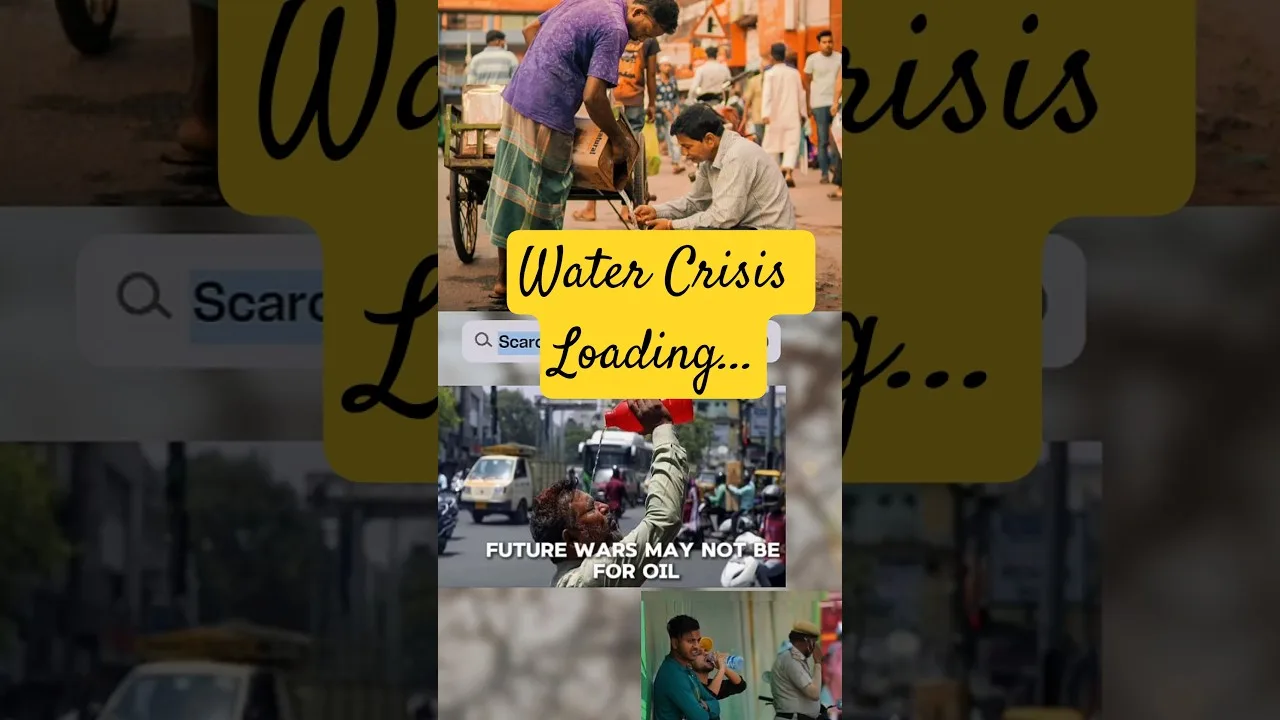
Per capita annual water availability has plummeted from 5,177 m³ (1951) to 1,486 m³ (2021) — nearing the 1,700 m³ water-stress threshold (Falkenmark Index). NITI Aayog’s Composite Water Management Index (2019) warns 21 major cities (including Delhi, Bengaluru, Chennai, Hyderabad) could exhaust groundwater by 2030.
Quality Degradation
Contamination renders significant portions of India drinking water sources unsafe without treatment:
- Geogenic: Fluoride (>1.5 mg/L) affects 19 states (Rajasthan, Telangana worst); Arsenic (>0.01 mg/L) plagues Ganga-Brahmaputra plains (West Bengal, Bihar, UP, Assam); Salinity in coastal & arid zones.
- Anthropogenic: Untreated sewage (~72% of urban sewage untreated, CPCB 2021) and industrial effluents load rivers with BOD, heavy metals, and emerging contaminants (pharmaceuticals, microplastics).
- Microbial: Water-borne diseases (cholera, typhoid, hepatitis A) cause ~400,000 deaths annually (WHO estimate).
Climate Change Amplification
Erratic monsoons — IITM Pune projects increased frequency of extreme rainfall events (+15% by 2050) and longer dry spells. Himalayan glacier retreat threatens lean-season flows in Indus/Ganga basins. Cyclones (Amphan 2020, Yaas 2021) salinize coastal aquifers in Sundarbans and Andhra.
Technological & Policy Interventions
Supply-Side Measures
- Inter-basin Transfers: Ken-Betwa Link (Phase-I approved 2021, ₹44,605 Cr) aims to transfer surplus to Bundelkhand. National Perspective Plan envisions 30 links.
- Managed Aquifer Recharge (MAR): Gujarat’s Sujalam Sufalam campaign (2018–present) recharged ~11,000 MCM via check dams, pond deepening.
- Atal Bhujal Yojana (₹6,000 Cr, World Bank aided, 2020–25): Community-led groundwater management in 7 states, 8,350 Gram Panchayats.
Demand-Side & Governance Reforms
- Water Metering & Volumetric Pricing: Pune, Nagpur, Hubli-Dharwad pilot 24×7 metered supply reducing NRW (Non-Revenue Water) from 40% to <15%.
- Model Bill for Groundwater Regulation (2017): Shifts from “landowner ownership” to “public trust doctrine”; only 15 states enacted legislation.
- Jal Jeevan Mission Dashboard: Real-time tracking of FHTC coverage — reached 14.6 Cr rural households (75%) by March 2024.
Future Outlook: Scenarios for 2030 & 2050
Integrated modeling by IIT Delhi and WRI India suggests three pathways for India drinking water sources:
- Business-as-Usual: Demand-supply gap widens to 50% by 2030; 40% population severely water-stressed.
- Sustainable Management: Aggressive demand management (micro-irrigation, crop switching), 100% wastewater reuse, MAR scaling — closes gap to <10%.
- Climate-Resilient: Adds glacier monitoring, floodplain aquifer storage, solar desalination — builds buffer for 2°C warming.
The National Water Policy (2012, under revision) and upcoming Water Framework Law aim to enshrine basin-level integrated management, but federal water disputes (Cauvery, Krishna, Mahadayi) remain contentious.
Actionable Steps for Citizens & Communities
- Adopt RWH: 100 m² roof in 800 mm rainfall zone can harvest ~64,000 L/yr — meets 4-person family drinking/cooking needs.
- Demand Metered Supply: Push ULBs for 24×7 metered connections; reduces leakage & waste.
- Participate in VWSC: Rural residents can audit scheme functionality via JJM app.
- Reduce Footprint: Dietary shifts (less rice/wheat, more millets) save virtual water — 1 kg rice = 2,500 L; 1 kg millet = 300 L.
- Monitor Quality: Use low-cost field test kits (fluoride, arsenic, bacteriological) — report via e-JalShakti portal.
Frequently Asked Questions
What percentage of India drinking water sources comes from groundwater?
Groundwater provides approximately 85% of rural and 48% of urban drinking water supply in India, making India drinking water sources the single largest source category nationwide.
Which Indian states face the most severe groundwater depletion?
Punjab, Haryana, Rajasthan, Delhi, and Tamil Nadu have the highest concentration of “Over-exploited” assessment blocks where annual extraction exceeds natural recharge, according to CGWB 2023 data.
How does the Jal Jeevan Mission impact India drinking water sources sustainability?
The mission prioritizes source sustainability via mandatory rainwater harvesting, grey-water reuse, and aquifer recharge structures in every village scheme, moving beyond mere pipeline extension to ensure long-term water security.
Frequently Asked Questions
Groundwater provides approximately 85% of rural and 48% of urban drinking water supply in India, making it the single largest source category nationwide.
Punjab, Haryana, Rajasthan, Delhi, and Tamil Nadu have the highest concentration of "Over-exploited" assessment blocks where annual extraction exceeds natural recharge, according to CGWB 2023 data.
The mission prioritizes source sustainability via mandatory rainwater harvesting, grey-water reuse, and aquifer recharge structures in every village scheme, moving beyond mere pipeline extension to ensure long-term water security.