Blog
Yamuna River Pollution: Understanding the Crisis Facing India’s Lifeline

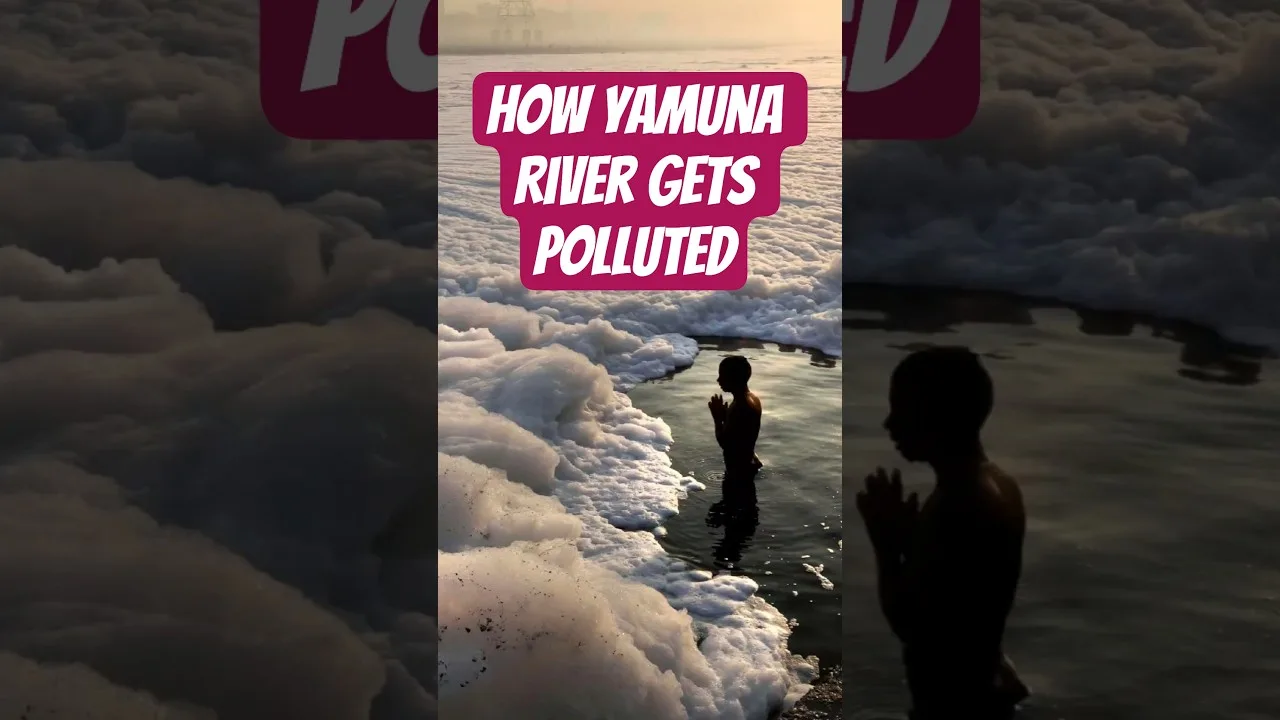
Table of Contents
- Introduction: The Yamuna River Pollution Challenge
- Understanding the Scale of Yamuna River Pollution
- The Geography and Significance of the Yamuna
- Primary Causes of Yamuna River Pollution
- Untreated Sewage Discharge: The Largest Contributor
- Industrial Effluents: Toxic Chemical Contamination
- Plastic Waste: The Visible Menace
- Religious Idol Immersion: Seasonal Pollution Spikes
- Agricultural Runoff: Nutrient Overload
- The Devastating Impact of Yamuna River Pollution
- Health Crisis: Waterborne Disease Epidemic
- Ecological Collapse: Biodiversity Loss
- Economic Burden: Cost of Contamination
- Climate Link: Greenhouse Gas Emissions
- Why Cleaning Yamuna River Pollution is Urgent
- Government Initiatives and Community Efforts
- The Path Forward: Solutions to Combat Yamuna River Pollution
- Infrastructure Development and Enforcement
- Sustainable Cultural Practices
- Waste Management Reforms
- Public Awareness and Behavioral Change
- Conclusion: The Future of Yamuna River Pollution Management
Introduction: The Yamuna River Pollution Challenge
Yamuna River pollution has become one of India’s most pressing environmental challenges, threatening the health and livelihood of millions who depend on this sacred waterway. Once considered the lifeline of Delhi-NCR and Northern India, the Yamuna now struggles for survival under the weight of unchecked contamination. This comprehensive analysis explores how Yamuna River pollution occurs, examines its devastating impacts, and outlines potential solutions for restoration.
- Yamuna River pollution affects over 60 million people across North India
- Delhi alone discharges 2,500 million liters of untreated sewage daily into the river
- Industrial effluents contribute heavy metals like lead, mercury, and chromium to Yamuna River pollution
- Plastic waste adds approximately 100 metric tons daily to Yamuna River pollution
- Religious idol immersion significantly worsens Yamuna River pollution during festival seasons
Understanding the Scale of Yamuna River Pollution
The extent of Yamuna River pollution can be measured through several critical indicators. According to the Central Pollution Control Board of India, the river’s pollution levels exceed safe limits by alarming margins. Yamuna River pollution manifests in various forms, each contributing to the overall degradation of water quality and ecosystem health.
The Geography and Significance of the Yamuna
The Yamuna originates from Yamnotri Glacier in the Himalayas and flows through Uttarakhand, Himachal Pradesh, Delhi, Haryana, and Uttar Pradesh before joining the Ganges. Spanning approximately 1,376 kilometers, this river supports one of the world’s most densely populated regions. However, Yamuna River pollution has transformed this vital resource into a toxic drain.
Primary Causes of Yamuna River Pollution
Untreated Sewage Discharge: The Largest Contributor
Yamuna River pollution intensifies dramatically due to inadequate sewage treatment infrastructure. Delhi generates over 3,700 million liters of sewage daily, yet only treats 38% of this waste. The remaining 62%, approximately 2,500 MLD, flows directly into the river untreated. This massive influx of raw sewage elevates dangerous levels of ammonia, coliform bacteria, and biochemical oxygen demand (BOD), rendering the water completely unsafe for human contact or consumption.
The Yamuna River pollution crisis deepens because this untreated waste introduces pathogens that cause waterborne diseases including cholera, typhoid, and dysentery. Even after extensive purification processes, the water remains marginal for drinking purposes, highlighting the severity of Yamuna River pollution in the region.
Industrial Effluents: Toxic Chemical Contamination
Factories situated along the Yamuna basin significantly amplify river pollution through their discharge of chemical-laden waste. Industries in Delhi, Haryana, and Uttar Pradesh release heavy metals such as lead, mercury, and chromium directly into the water system. These toxic substances settle in river sediments, creating long-term contamination that poisons aquatic life and enters the human food chain through bioaccumulation.
Research indicates that Yamuna River pollution from industrial sources has created hotspots of heavy metal concentration that persist for decades. The cumulative effect of industrial Yamuna River pollution threatens both ecological balance and public health throughout the basin.
Plastic Waste: The Visible Menace
Single-use plastics represent another visible aspect of Yamuna River pollution that plagues the waterway. Approximately 100 metric tons of plastic waste enters the river daily from Delhi alone, clogging riverbanks and water surfaces. This plastic debris not only obstructs drainage channels but also slows natural river flow, exacerbating flooding risks during monsoon seasons.
As plastic materials break down into microplastics, Yamuna River pollution spreads throughout the aquatic ecosystem. These microplastics are ingested by fish and birds, causing physical harm and introducing chemical pollutants into the food web. The visual impact of plastic Yamuna River pollution serves as a stark reminder of urban waste management failures.
Religious Idol Immersion: Seasonal Pollution Spikes
During festivals like Dussehra and Ganesh Chaturthi, religious idol immersion contributes significantly to Yamuna River pollution. Idols crafted from plaster of Paris and coated with toxic paints and synthetic materials release harmful heavy metals including lead, cadmium, and mercury into the water. These seasonal events create concentrated pollution episodes that overwhelm the river’s already compromised self-purification capacity.
The cultural significance of these practices makes addressing Yamuna River pollution from idol immersion particularly challenging. However, the environmental cost of continuing these traditions without modification adds substantially to the overall pollution burden.
Agricultural Runoff: Nutrient Overload
Pesticides and fertilizers from agricultural fields in Uttarakhand, Haryana, and Uttar Pradesh contribute to Yamuna River pollution during monsoon seasons. Rainwater washes these chemicals into tributaries that feed the main river channel. The resulting nutrient overload triggers eutrophication processes, characterized by excessive algal growth that depletes dissolved oxygen levels.
This oxygen depletion creates dead zones where aquatic organisms cannot survive, further deteriorating the ecosystem affected by Yamuna River pollution. The seasonal nature of agricultural pollution makes it especially damaging during critical breeding periods for native species.
The Devastating Impact of Yamuna River Pollution
Health Crisis: Waterborne Disease Epidemic
Yamuna River pollution directly correlates with increased incidence of waterborne diseases across surrounding communities. Contaminated water spreads cholera, typhoid, hepatitis, and gastrointestinal infections among populations lacking access to clean water alternatives. Delhi’s continued dependence on the Yamuna for drinking water, despite extensive purification requirements, places enormous strain on municipal resources and infrastructure.
The healthcare burden imposed by Yamuna River pollution affects vulnerable populations disproportionately, particularly those living in informal settlements along the riverbanks who have limited access to medical care.
Ecological Collapse: Biodiversity Loss
The ecological impact of Yamuna River pollution represents one of the most tragic consequences of this environmental crisis. Studies indicate that over 90% of native fish species have vanished from stretches near Delhi, primarily due to the toxic conditions created by sustained pollution. Bird populations that once thrived along the riverbanks have also declined dramatically as their habitat becomes increasingly inhospitable.
The loss of biodiversity from Yamuna River pollution disrupts entire ecosystems, eliminating natural pest control mechanisms and reducing the river’s ability to maintain ecological balance. This collapse threatens the long-term sustainability of the river system itself.
Economic Burden: Cost of Contamination
Yamuna River pollution imposes massive economic costs on society through multiple channels. Direct cleanup expenses require billions of rupees in investment, while indirect costs include reduced property values along the riverfront, decreased tourism potential, and increased healthcare expenditures. The cumulative economic impact of Yamuna River pollution extends far beyond immediate remediation costs.
Additionally, pollution-related losses in fisheries, agriculture, and industry create ongoing revenue shortfalls that affect regional economic development. The hidden costs of Yamuna River pollution may ultimately prove more damaging than visible environmental degradation.
Climate Link: Greenhouse Gas Emissions
Emerging research reveals that severely polluted water bodies like those affected by Yamuna River pollution contribute to climate change through methane emissions. Decomposing organic matter in oxygen-depleted waters produces methane, a potent greenhouse gas that accelerates global warming. This connection between Yamuna River pollution and climate change adds urgency to cleanup efforts.
The climate implications of Yamuna River pollution extend beyond direct emissions to include reduced carbon sequestration capacity and altered regional weather patterns that affect monsoon reliability and agricultural productivity.
Why Cleaning Yamuna River Pollution is Urgent
Addressing Yamuna River pollution cannot wait any longer given the scale of human dependence on this waterway. Over 60 million people rely on the Yamuna for drinking water, agriculture, and industrial purposes. Restoring the river could provide multiple co-benefits including groundwater recharge, reduced urban heat island effects in Delhi, and protection against future water scarcity challenges.
The window for effective intervention on Yamuna River pollution continues to narrow as contamination levels reach critical thresholds. Immediate action is required to prevent irreversible damage to both human communities and natural ecosystems dependent on this river system.
Government Initiatives and Community Efforts
Several programs aim to combat Yamuna River pollution, including the Yamuna Action Plan launched by the Government of India. This multi-phase initiative focuses on sewage treatment infrastructure development and pollution monitoring systems. Additionally, community-driven movements like “Clean Yamuna” demonstrate grassroots commitment to addressing river pollution challenges.
However, success against Yamuna River pollution requires coordinated implementation of multiple strategies simultaneously. Isolated efforts, while valuable, cannot address the complex interconnected nature of pollution sources affecting the river system.
The Path Forward: Solutions to Combat Yamuna River Pollution
Infrastructure Development and Enforcement
Strict enforcement of industrial and sewage treatment regulations represents the cornerstone of any effective strategy to combat Yamuna River pollution. Current compliance rates remain insufficient, allowing continued discharge of untreated waste into the river. Enhanced monitoring systems and meaningful penalties for violations could dramatically reduce pollution inputs.
Investment in upgraded sewage treatment facilities must prioritize areas with highest pollution concentrations to maximize impact on Yamuna River pollution reduction. Modern treatment technologies offer opportunities for significant improvement in water quality metrics.
Sustainable Cultural Practices
Developing alternatives to toxic idol immersion offers a path toward reconciling cultural traditions with environmental protection goals. Encouraging the use of biodegradable materials and natural colors for religious idols could substantially reduce seasonal spikes in Yamuna River pollution without compromising spiritual practices.
Community education about the environmental impact of Yamuna River pollution helps build support for sustainable alternatives that preserve cultural significance while protecting the river ecosystem.
Waste Management Reforms
Comprehensive waste management reforms targeting plastic pollution could significantly reduce Yamuna River pollution levels. Implementing extended producer responsibility schemes, improving solid waste collection systems, and promoting circular economy principles offer pathways toward systematic plastic waste reduction.
These reforms require coordination between municipal authorities, state governments, and private sector stakeholders to achieve meaningful reductions in Yamuna River pollution from plastic waste sources.
Public Awareness and Behavioral Change
Long-term success in addressing Yamuna River pollution depends on widespread public awareness and behavioral change. Educational campaigns highlighting personal responsibility for river protection can motivate individual actions that collectively make significant differences in pollution levels.
Engaging schools, colleges, and civil society organizations in Yamuna River pollution prevention efforts creates multiplier effects that amplify the impact of government interventions and policy reforms.
Conclusion: The Future of Yamuna River Pollution Management
Yamuna River pollution reflects broader challenges facing urban water management in rapidly developing economies. While the current situation appears dire, evidence from successful river restoration projects worldwide demonstrates that meaningful recovery is possible with sustained commitment and adequate resources.
The fate of the Yamuna ultimately mirrors humanity’s relationship with natural resources. As this iconic river continues struggling for survival, its restoration begins with acknowledging collective responsibility for Yamuna River pollution and taking decisive action before irreversible consequences become inevitable. Every effort to reduce pollution, no matter how small, contributes to the larger goal of preserving this vital waterway for future generations.
Learn more about the Yamuna River’s historical significance and current challenges through authoritative sources documenting its transformation over time.
Central Pollution Control Board data provides detailed insights into Yamuna River pollution monitoring and regulatory frameworks that guide national water quality standards.
Research publications offer scientific perspectives on Yamuna River pollution mitigation strategies based on peer-reviewed studies and field observations.
Frequently Asked Questions
The primary causes include untreated sewage discharge, industrial effluents containing heavy metals, plastic waste, religious idol immersion, and agricultural runoff during monsoons.
Over 60 million people across Delhi-NCR and Northern India depend on the Yamuna for drinking water, agriculture, and industrial purposes, making them vulnerable to pollution-related health and economic impacts.
Key solutions involve strict enforcement of treatment laws, sustainable idol immersion alternatives, comprehensive waste management reforms, public awareness campaigns, and investment in modern sewage treatment infrastructure.