
Blog
Resurrection Plant: Nature’s Amazing Survival Wonder Explained

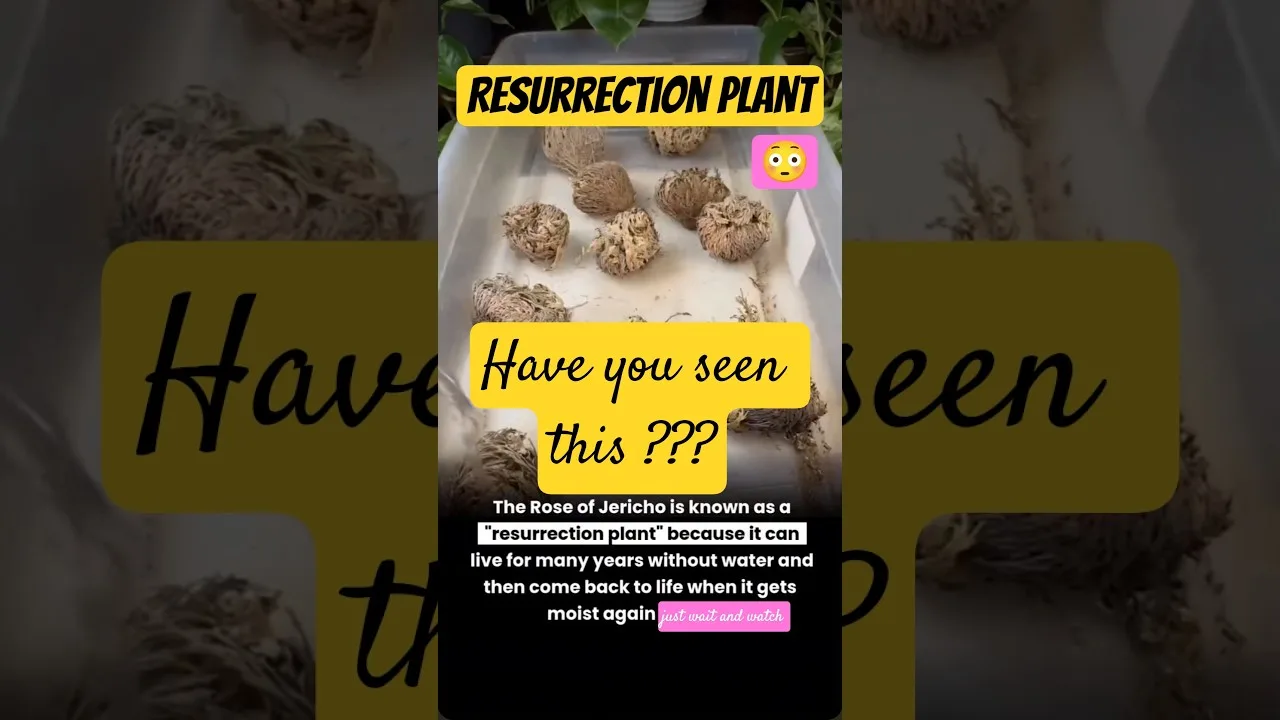
Table of Contents
- What Makes the Resurrection Plant So Extraordinary?
- The Science Behind the Resurrection Plant's Survival
- How Cryptobiosis Works in the Resurrection Plant
- Why the Resurrection Plant Captivates Global Audiences
- Historical and Cultural Significance of the Resurrection Plant
- Where to Find the Resurrection Plant in the Wild
- Growing the Resurrection Plant at Home
- Care Tips for Healthy Resurrection Plant Growth
- Scientific Research and Applications
- Environmental Importance of the Resurrection Plant
- Conservation Status and Protection Efforts
- Educational Value and Learning Opportunities
- Common Misconceptions About the Resurrection Plant
- Future Prospects for Resurrection Plant Research
- Conclusion
What Makes the Resurrection Plant So Extraordinary?
The Resurrection Plant, also known as Rose of Jericho, is nature’s most incredible survival mechanism. This remarkable desert dweller can appear dead for years, only to spring back to life with just a drop of water. The phenomenon has captivated millions online, making it one of the most viral nature videos across social media platforms.
- Can survive extreme drought conditions for years in dormant state
- Revives within hours when exposed to water
- Exhibits cryptobiosis – a biological survival strategy
- Native to Middle East and North Africa regions
- Popular in educational content and viral videos
The Science Behind the Resurrection Plant’s Survival
The Resurrection Plant’s ability to cheat death stems from its unique adaptation called cryptobiosis. When water becomes scarce, this plant doesn’t simply wilt – it completely shuts down its metabolic processes. The Resurrection Plant curls into a tight, brown ball, reducing its water loss to virtually zero. During this state, the plant’s cells enter a suspended animation, preserving its genetic material and structure for extended periods.
When moisture returns, whether from rainfall or human intervention, the Resurrection Plant rapidly rehydrates. Its cells absorb water, expanding and triggering the unfurling process. Within 24-48 hours, what appeared to be a dead tumbleweed transforms into a vibrant green living plant. This dramatic transformation is what makes the Resurrection Plant so popular in viral content.
How Cryptobiosis Works in the Resurrection Plant
Cryptobiosis is a remarkable biological process that the Resurrection Plant has perfected over millions of years. During drought conditions, the Resurrection Plant produces special proteins and sugars that protect its cellular structure. These compounds prevent cellular damage when water is absent, allowing the plant to maintain its integrity for decades if necessary.
The Resurrection Plant’s revival mechanism involves rapid water absorption through specialized tissue. Once hydration begins, enzymes activate and cellular functions resume. This process demonstrates why the Resurrection Plant has become such a sensation in educational videos and nature documentaries. Scientists continue studying the Resurrection Plant to understand its potential applications in medicine and agriculture.
Why the Resurrection Plant Captivates Global Audiences
Social media platforms are flooded with videos showcasing the Resurrection Plant’s revival. The visual impact of watching something seemingly dead come to life resonates deeply with viewers. This psychological appeal explains why Resurrection Plant content generates millions of views and shares. People are naturally drawn to stories of survival and renewal, making the Resurrection Plant perfect for viral content creation.
The Resurrection Plant represents hope and resilience in challenging times. Its ability to endure harsh desert conditions and emerge stronger mirrors human experiences with adversity. Educational creators feature the Resurrection Plant because it combines scientific wonder with emotional resonance. The plant’s dramatic transformation provides compelling visual storytelling opportunities.
Historical and Cultural Significance of the Resurrection Plant

For centuries, the Resurrection Plant has held symbolic meaning in various cultures. Ancient texts reference the Resurrection Plant as a symbol of rebirth and eternal life. Religious traditions often incorporate the Resurrection Plant into ceremonies, representing spiritual renewal. The plant’s scientific name, Selaginella lepidophylla, reflects its botanical classification, though most people recognize it simply as the Resurrection Plant.
European explorers first documented the Resurrection Plant during expeditions to the Middle East. They were amazed by its ability to revive after apparent death, leading to numerous scientific studies. Today, the Resurrection Plant continues to inspire both spiritual reflection and scientific research. Museums display the Resurrection Plant as an example of evolutionary adaptation.
Where to Find the Resurrection Plant in the Wild
The Resurrection Plant naturally occurs in arid regions spanning from the Middle East to North America. Countries including Jordan, Israel, and Mexico provide ideal habitats for the Resurrection Plant. These regions experience extreme temperature fluctuations and minimal rainfall – conditions the Resurrection Plant has adapted to survive.
Desert environments pose unique challenges that the Resurrection Plant has overcome through evolution. Soil composition, temperature extremes, and water scarcity shape the Resurrection Plant’s growth patterns. Researchers study wild populations to better understand how the Resurrection Plant maintains its remarkable survival capabilities in natural settings.
Growing the Resurrection Plant at Home
Horticultural enthusiasts can cultivate the Resurrection Plant as an indoor specimen. Proper care involves understanding the plant’s natural cycle of dormancy and growth. The Resurrection Plant requires minimal maintenance during its active phase, needing only moderate watering and indirect sunlight.
When the Resurrection Plant enters dormancy, watering should cease entirely. Store the dried plant in a cool, dry location until revival is desired. Many gardeners keep multiple specimens of the Resurrection Plant, creating stunning displays when several plants are revived simultaneously. The Resurrection Plant’s low-maintenance requirements make it ideal for busy plant owners.
Care Tips for Healthy Resurrection Plant Growth
Successful cultivation of the Resurrection Plant requires attention to specific environmental factors. Temperature should remain consistent, avoiding extreme fluctuations that stress the Resurrection Plant. Well-draining soil prevents root rot during active growth phases. The Resurrection Plant benefits from occasional misting during hot, dry weather.
Light exposure significantly impacts the Resurrection Plant’s health. Bright, indirect light produces the best results for indoor specimens. Direct sunlight can damage the Resurrection Plant’s delicate foliage. Seasonal care adjustments help maintain the Resurrection Plant’s natural growth rhythm throughout the year.
Scientific Research and Applications
Biomedical researchers study the Resurrection Plant to unlock secrets of cellular preservation. The plant’s survival mechanisms may lead to breakthroughs in organ transplantation and medical storage techniques. Agricultural scientists explore how the Resurrection Plant’s drought resistance could benefit crop development in arid regions.
Space agencies investigate the Resurrection Plant for potential use in long-duration space missions. Its ability to survive extreme dehydration makes it valuable for closed-loop life support systems. The Resurrection Plant’s genetic adaptations offer insights into stress tolerance that could revolutionize multiple scientific fields.
Environmental Importance of the Resurrection Plant
Ecosystems where the Resurrection Plant thrives depend on its role in soil stabilization and moisture retention. The plant’s root system helps prevent erosion during rare rainfall events. When active, the Resurrection Plant contributes to local biodiversity by providing habitat for small organisms.
Climate change research includes studying the Resurrection Plant’s response to increasing desertification. Understanding how this species adapts to changing environmental conditions provides valuable data for conservation efforts. The Resurrection Plant serves as an indicator species for monitoring ecosystem health in arid environments.
Conservation Status and Protection Efforts
While not currently endangered, the Resurrection Plant faces threats from habitat destruction and over-collection. Commercial demand for this remarkable plant has increased significantly due to social media popularity. Conservation organizations work to protect natural populations while promoting sustainable cultivation practices.
Sustainable harvesting techniques ensure the Resurrection Plant remains available for future generations. Nurseries now propagate the plant commercially, reducing pressure on wild populations. Responsible ownership of the Resurrection Plant supports both conservation goals and continued scientific study.
Educational Value and Learning Opportunities
Teachers incorporate the Resurrection Plant into biology curricula to demonstrate adaptation concepts. Students witness firsthand how evolution produces remarkable survival strategies. The plant’s dramatic transformation makes abstract scientific principles tangible and memorable for learners of all ages.
Museums and botanical gardens feature the Resurrection Plant in interactive exhibits. These displays educate visitors about desert ecosystems and evolutionary biology. The Resurrection Plant serves as an ambassador species, connecting people to broader environmental themes and conservation awareness.
Common Misconceptions About the Resurrection Plant
Many believe the Resurrection Plant can revive indefinitely, but each revival cycle takes a toll on the plant’s longevity. Proper care extends the Resurrection Plant’s lifespan, but it cannot survive forever. Another misconception involves the plant’s classification – the Resurrection Plant is not related to true roses despite its common name.
Some assume all specimens of the Resurrection Plant behave identically, but individual plants show variation in revival speed and appearance. Age, storage conditions, and previous revival cycles affect how the Resurrection Plant responds to water. Understanding these nuances helps owners provide optimal care for their Resurrection Plant specimens.
Future Prospects for Resurrection Plant Research
Ongoing studies explore the Resurrection Plant’s potential in biotechnology applications. Genetic sequencing reveals unique adaptations that could benefit various industries. The Resurrection Plant continues inspiring innovation in fields ranging from medicine to space exploration.
As climate change intensifies, the Resurrection Plant becomes increasingly valuable for agricultural research. Its drought-resistant mechanisms offer hope for developing crops that can withstand extreme weather conditions. Scientists predict the Resurrection Plant will play a crucial role in future sustainability efforts.
Conclusion
The Resurrection Plant represents nature’s most spectacular survival strategy, combining scientific wonder with cultural significance. Its ability to revive from apparent death continues inspiring both casual observers and serious researchers. Whether featured in viral videos or laboratory studies, the Resurrection Plant demonstrates that life persists even under the harshest conditions.
Frequently Asked Questions
The Resurrection Plant can remain dormant for years, even decades, in its dried state. Some specimens have survived over 100 years without water, though typical dormant periods last several months to a few years.
The Resurrection Plant revives when exposed to water. Even minimal moisture, such as high humidity or light misting, can initiate the revival process. The plant's cells rapidly rehydrate and resume metabolic functions within hours.
Yes, the Resurrection Plant adapts well to indoor environments. It requires minimal care during active growth phases and can be stored in dormancy when not on display. Many people keep it as a low-maintenance houseplant.