Blog
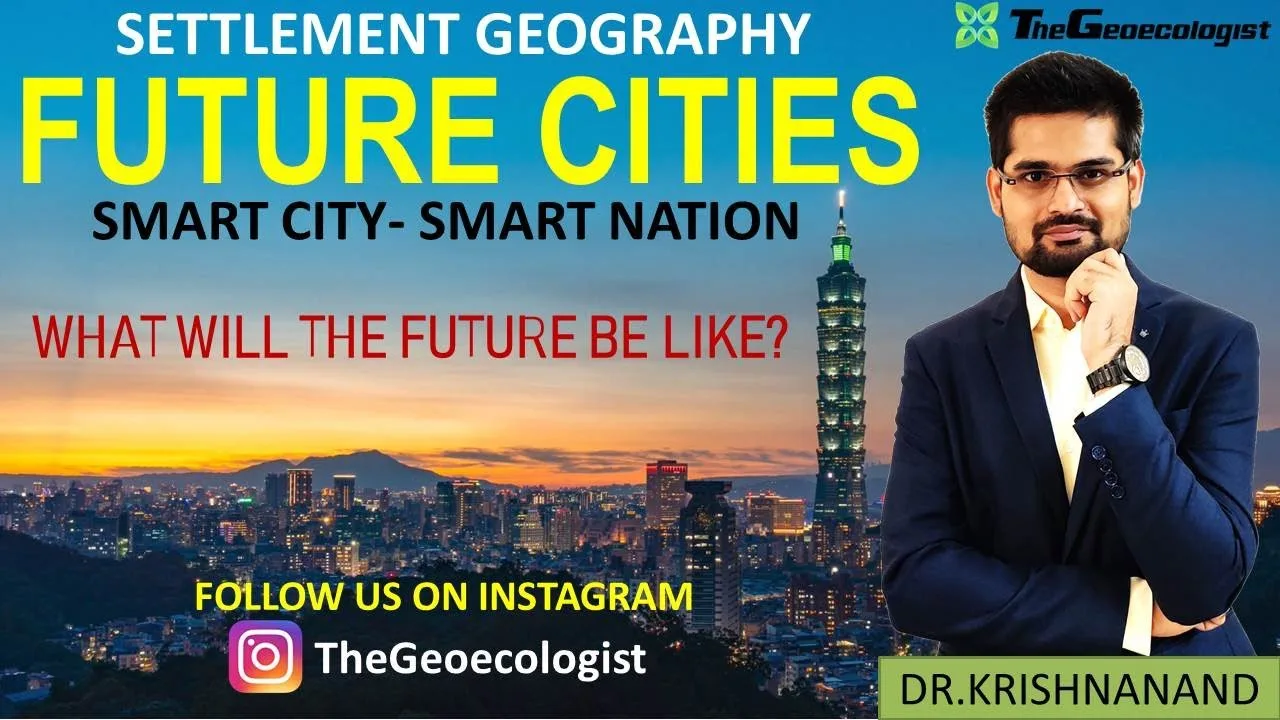
Future Cities : Smart Cities- CLC Livability Framework- UPSC

Future Cities : Smart Cities- CLC Livability Framework- UPSC
Future Cities: Integrating Smart Cities and the CLC Livability Framework for UPSC Geography
Introduction
As urbanization accelerates globally, the concept of Future Cities has gained prominence, blending innovation, sustainability, and livability. For UPSC aspirants, particularly those opting for Geography Optional, understanding frameworks like Smart Cities and the CLC (Composite Livability Composite) Livability Framework is crucial. These paradigms not only align with the Human Geography syllabus but also reflect India’s urban development goals under initiatives like the Smart Cities Mission. This article deciphers these concepts, their interplay, and their relevance to competitive exams.
1. Smart Cities: The Technological Backbone of Urban Futures
A Smart City leverages digital technologies, IoT (Internet of Things), and data analytics to enhance urban infrastructure, governance, and citizen services. Key features include:
- Smart Governance: E-governance platforms for transparency and public participation.
- Efficient Resource Management: IoT-enabled systems for water, energy, and waste management.
- Sustainable Mobility: Intelligent transport systems (e.g., electric vehicles, real-time traffic monitoring).
- Resilient Infrastructure: Climate-resilient urban planning using AI and GIS.
UPSC Relevance: Questions often explore India’s Smart Cities Mission (launched in 2015), challenges in implementation, or comparative global models (e.g., Singapore’s Smart Nation initiative).
2. Livable Cities: Prioritizing Quality of Life
A Livable City focuses on social equity, environmental sustainability, and cultural vibrancy. Criteria include:
- Affordable Housing and Inclusive Design.
- Green Spaces and pollution control.
- Healthcare and Education Accessibility.
- Community Engagement and cultural inclusivity.
Examples: Copenhagen (carbon-neutral goals) and Melbourne (consistently ranked high in livability indices).
3. CLC Livability Framework: Bridging Smart and Livable Cities
The CLC Framework merges technological innovation with human-centric design. Its pillars include:
- Compassionate Governance: Policies addressing equity and citizen welfare.
- Sustainable Ecology: Balancing development with environmental conservation.
- Economic Vibrancy: Job creation and fostering local enterprises.
- Technological Integration: Smart solutions for efficient service delivery.
Case Study: Indore (India’s cleanest city) combines waste management tech (smart bins) with community participation for improved livability.
4. UPSC Geography Connection
These concepts align with Human Geography topics like:
Boutlined in Settlement Geography:}
- Theories of urban growth (e.g., Christaller’s Central Place Theory).
- Issues of urbanization in developing nations (e.g., slums, gentrification).
- Sustainable Development Goals (SDG 11: Sustainable Cities and Communities).
Exam Tips:
- Use frameworks like CLC to critique India’s urban policies.
- Discuss challenges: funding gaps, digital divides, or governance fragmentation.
- Link concepts to global examples (e.g., Barcelona’s superblocks) for higher marks.
5. Additional Resources for Aspirants
- Video Lecture: Dr. Krishnanand’s explainer simplifies these themes for Geography Optional.
- E-Book: Dive deeper with the Settlement Geography E-Book covering urban models and case studies.
Conclusion
The synthesis of Smart Cities and the CLC Livability Framework offers a roadmap for equitable, tech-driven urban futures. For UPSC aspirants, mastering these topics is key to tackling both theoretical and applied questions. Engage with resources like TheGeoecologist’s content and stay updated on global trends to excel in Geography Optional!
#FutureCities #SmartCity #LivableCity #UPSCCSE #GeographyOptional
Follow Dr. Krishnanand on Instagram and visit TheGeoecologist for more insights!
This structured yet concise approach equips aspirants with the analytical tools needed to address contemporary urban challenges, ensuring readiness for both Prelims and Mains examinations.
To Download E-Books & Study Material Visit The Shop Page