Blog
Environmental Issues in Regional Planning-Geoecologist-UPSC

Environmental Issues in Regional Planning-Geoecologist-UPSC
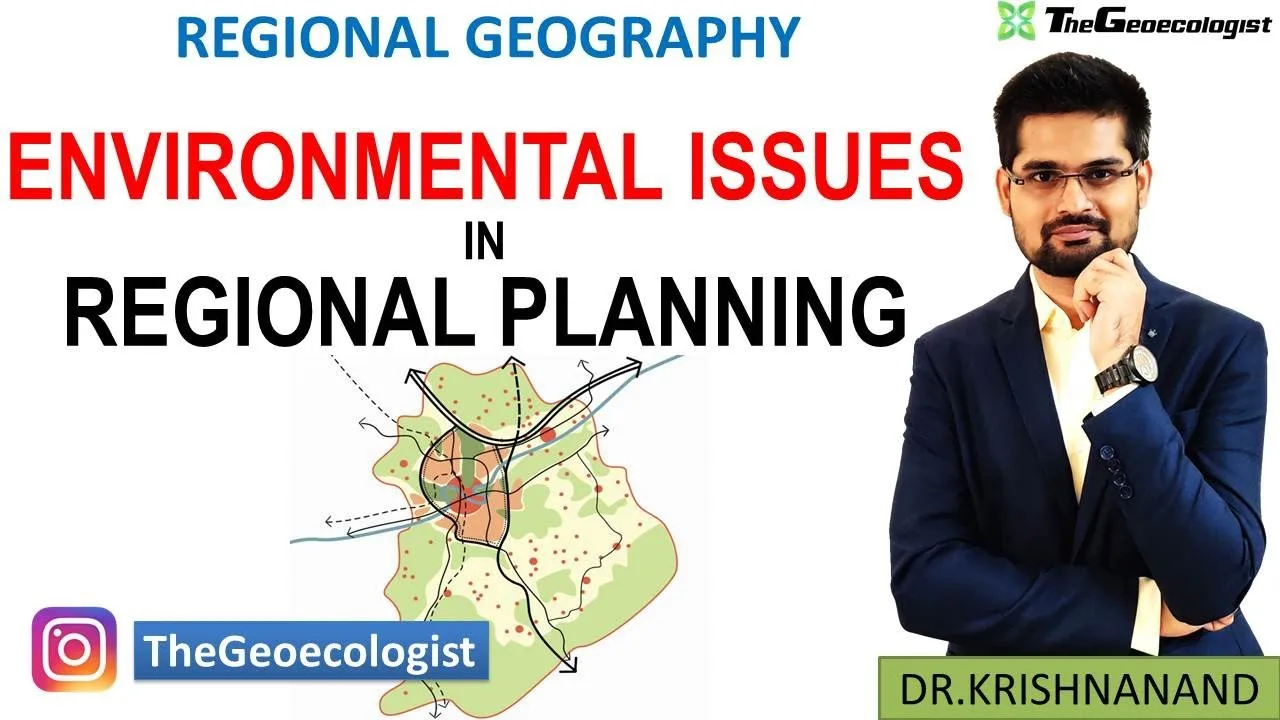
Environmental Issues in Regional Planning: A Geoecologist’s Perspective for UPSC Geography Optional
Introduction to Regional Planning and Environmental Challenges
Regional planning is a critical tool for balanced socio-economic development, ensuring efficient resource allocation and sustainable growth. However, rapid urbanization, industrialization, and population growth have intensified environmental degradation, making it imperative to address ecological concerns in planning processes. For UPSC aspirants, understanding the intersection of environmental issues and regional planning is vital, particularly for Geography Optional. This article, inspired by Dr. Krishnanand’s comprehensive lecture on Environmental Issues in Regional Planning, simplifies key concepts for effective exam preparation.
The Role of Geoecologists in Regional Planning
Geoecologists bridge the gap between geography and ecology, analyzing how human activities impact ecosystems. They assess land use patterns, resource availability, and environmental vulnerabilities to guide sustainable regional development. Their expertise is crucial in mitigating conflicts between development goals and ecological preservation—a recurring theme in UPSC exams.
Key Environmental Issues in Regional Planning
- Urbanization and Land Use Changes: Unplanned urban expansion leads to habitat loss, deforestation, and soil erosion. Managing urban sprawl while preserving green spaces is a key challenge.
- Resource Depletion: Over-exploitation of water, minerals, and forests threatens long-term sustainability. Integrated resource management strategies are essential.
- Pollution and Waste Management: Industrial emissions, untreated wastewater, and solid waste exacerbate air, water, and soil pollution. Circular economy models can offer solutions.
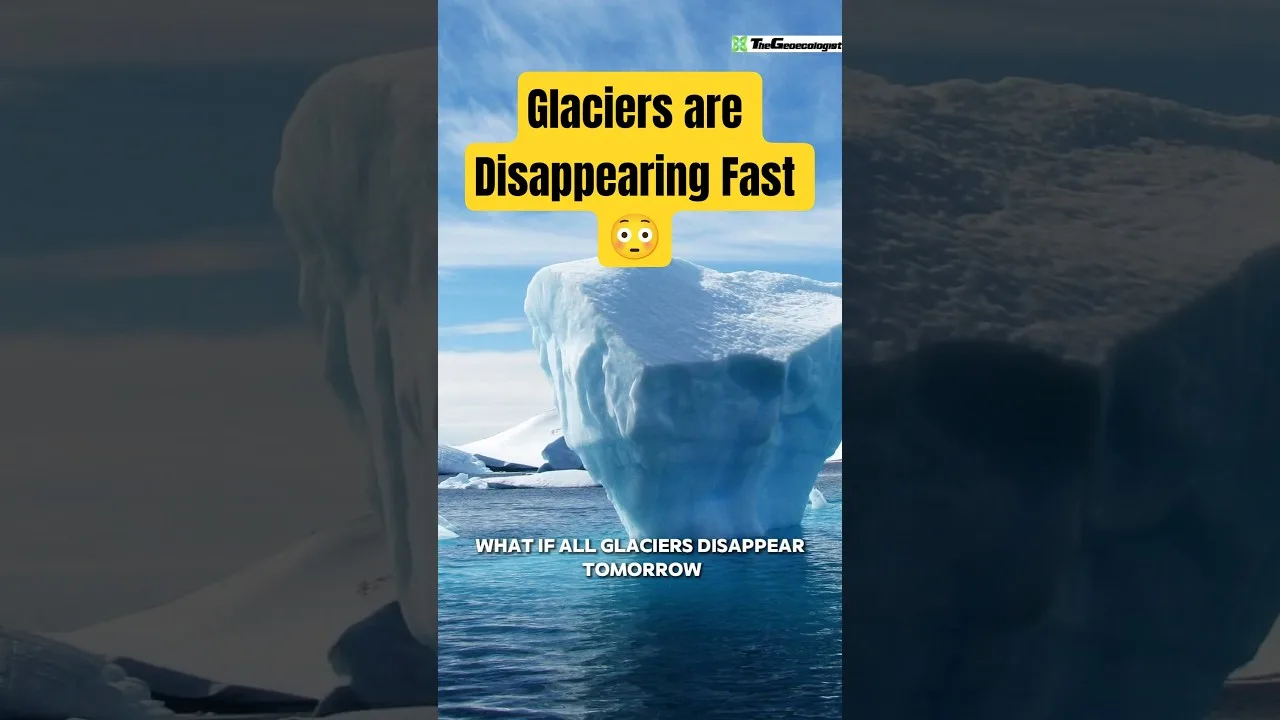
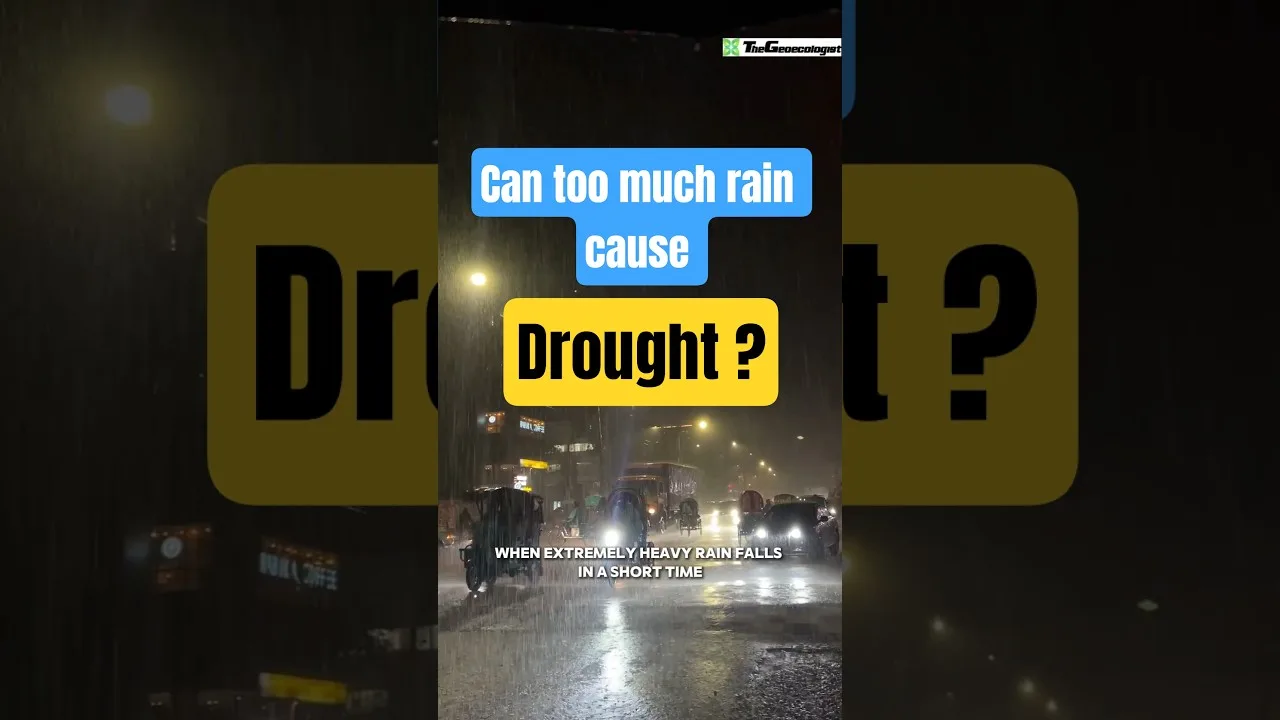
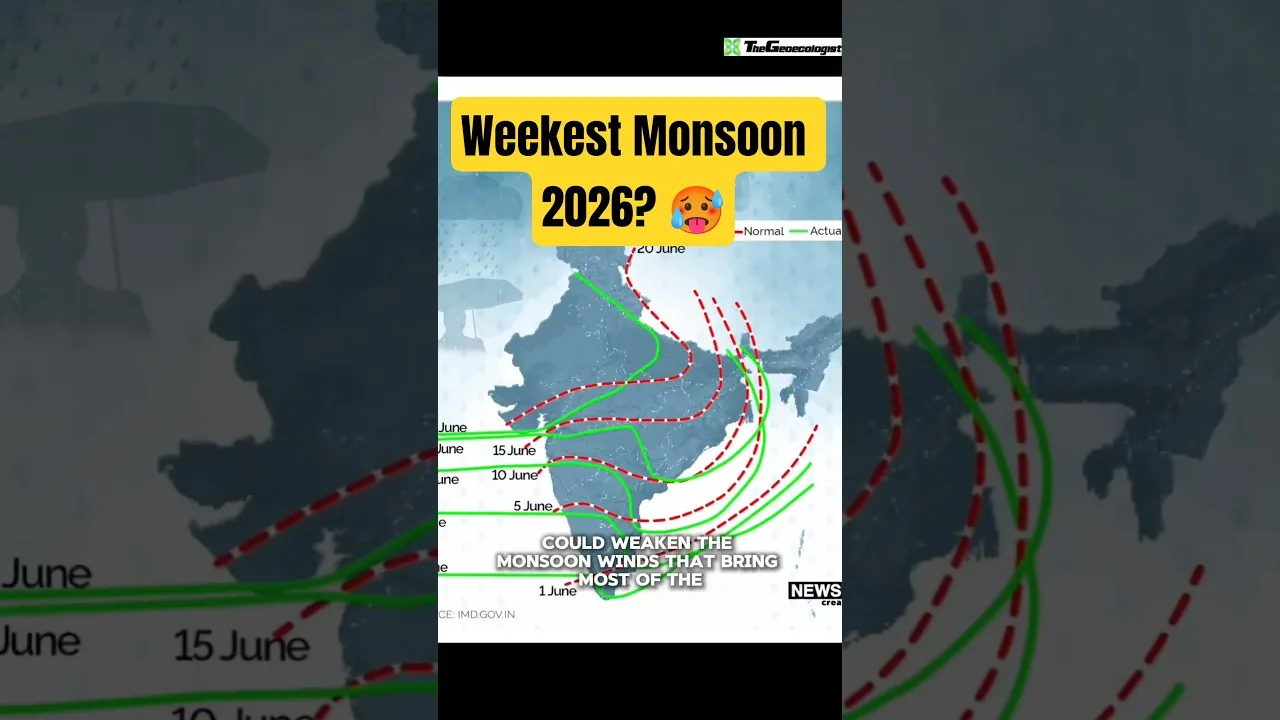
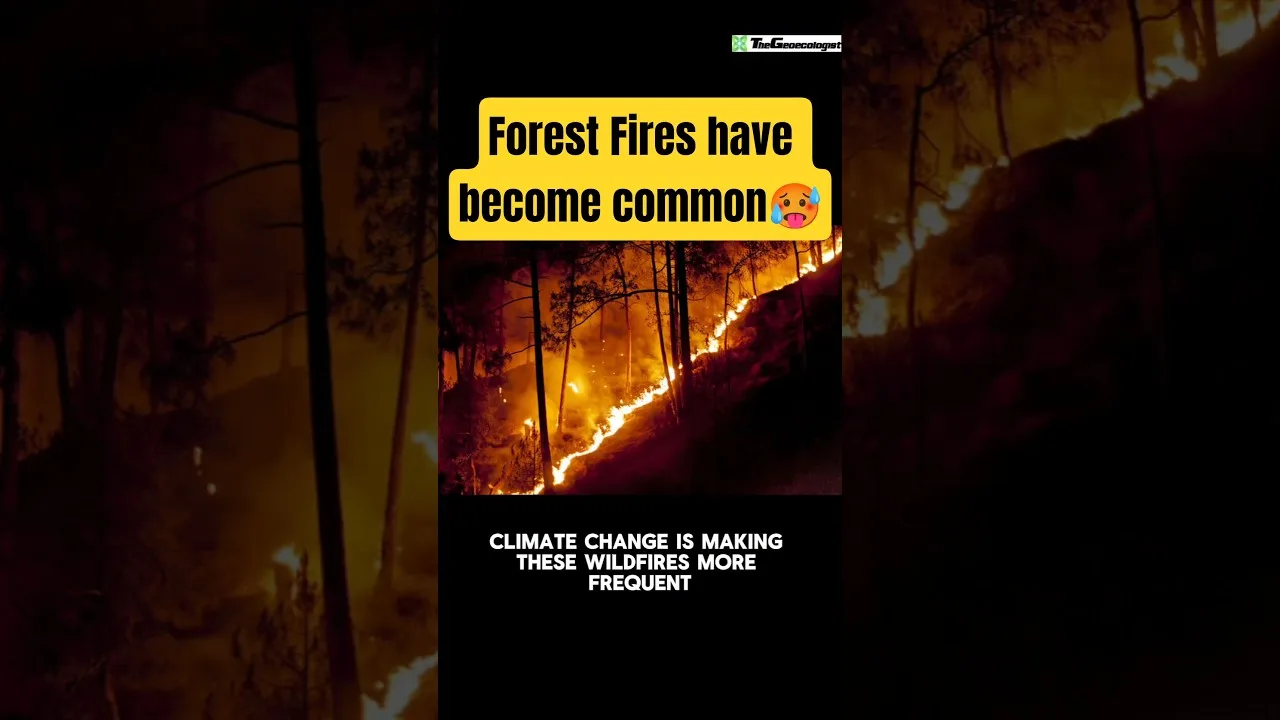
- Climate Change Impacts: Rising temperatures, erratic rainfall, and extreme weather events disrupt regional ecosystems. Planning must prioritize climate resilience and disaster risk reduction.
Integrating Sustainability into Regional Planning
- Policy Frameworks: Laws like the Environmental Protection Act (1986) and National Urban Policy (2018) emphasize eco-friendly development.
- Environmental Impact Assessments (EIA): Mandatory EIAs ensure projects adhere to ecological norms, though their effective implementation remains a challenge.
- Community Participation: Engaging local communities in afforestation, water conservation, and waste management fosters inclusive and sustainable outcomes.
Case Studies: Lessons from India
- Chennai Floods (2015): Highlighted poor urban planning and wetland encroachment. Post-disaster reforms focused on restoring water bodies and stricter zoning laws.
- Aravalli Range Conservation: Illegal mining in the Aravallis underscores the need for robust regional policies to protect fragile ecosystems.
Relevance for UPSC Geography Optional
This topic aligns with UPSC’s syllabus under Regional Planning and Environmental Geography. Previous questions have addressed sustainable development models, EIA, and urbanization challenges. Aspirants should focus on:
- Case studies linking theory to real-world scenarios.
- Critiques of existing policies and suggestions for improvement.
- Interdisciplinary approaches, combining geography, economics, and environmental science.
Conclusion
Environmental issues in regional planning demand a balance between development and sustainability. For UPSC candidates, mastering this topic requires understanding both theoretical frameworks and practical applications. Dr. Krishnanand’s video lecture simplifies these complexities, making it an invaluable resource.
Engage Further
- Follow us on Instagram: @thegeoecologist
- Visit our Website: thegeoecologist.com
- Watch the Detailed Video Lecture: Environmental Issues in Regional Planning
#environmentalissues #regionalplanning #upsc
Join our YouTube channel for exclusive content and expert guidance on Geography Optional. Together, let’s build a sustainable future!
This structured yet concise article caters to UPSC aspirants while emphasizing actionable insights and resources, aligning with Dr. Krishnanand’s pedagogical approach.
To Download E-Books & Study Material Visit The Shop Page