Blog
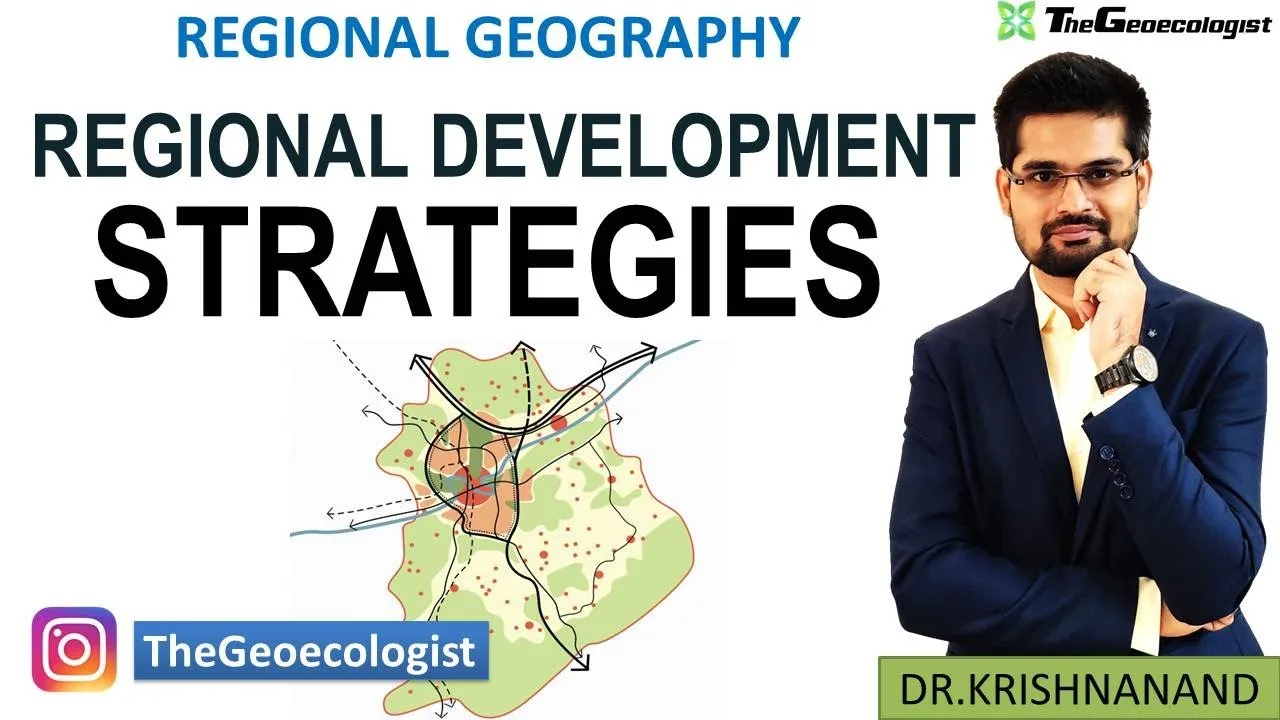
Regional Development Strategies – Geography Optional- UPSC

Regional Development Strategies – Geography Optional- UPSC
Regional Development Strategies: A Comprehensive Overview for UPSC Geography Optional
Regional development strategies are pivotal in addressing spatial disparities and fostering balanced socio-economic growth. For UPSC Geography Optional aspirants, understanding these strategies is crucial to analyze regional planning, resource allocation, and policy frameworks. This article explores key concepts, theories, and case studies integral to regional development, aligned with the UPSC syllabus.
Theoretical Frameworks in Regional Development
Growth Pole Theory (François Perroux):
This theory emphasizes the concentration of industries and investments in "growth poles" to stimulate economic activity. The multiplier effect from these poles can spur development in peripheral regions. Example: Bengaluru’s IT hub catalyzed growth in Karnataka’s economy.Core-Periphery Model (John Friedmann):
Friedmann’s model highlights the dominance of urban cores over underdeveloped peripheries. Regional policies aim to reduce this imbalance through infrastructure investments. Example: Delhi-NCR’s development contrasted with underdeveloped regions in Eastern Uttar Pradesh.- Sustainable Development Goals (SDGs):
Integrating environmental sustainability with economic growth ensures long-term resilience. Example: Rajasthan’s solar parks align with SDG 7 (Affordable and Clean Energy).
Key Regional Development Strategies
1. Top-Down Approaches
Government-led initiatives drive large-scale projects, often prioritizing national interests.
- Case Study: The Delhi-Mumbai Industrial Corridor (DMIC) aims to develop integrated industrial cities, leveraging infrastructure like dedicated freight corridors.
- Critique: May overlook local needs, leading to inequitable benefits.
2. Bottom-Up Approaches
Decentralized planning empowers local communities to participate in decision-making.
- Case Study: Kerala’s Panchayati Raj institutions improved healthcare and education through grassroots governance.
- Critique: Scalability issues due to fragmented implementation.
3. Growth Pole Strategy
Targeted investments in sectors with high linkage potential.
- Case Study: Special Economic Zones (SEZs) like Noida boosted exports and employment, though criticized for land acquisition disputes.
- Critique: Risks regional imbalances if spillover effects are limited.
4. Integrated Rural Development
Holistic programs addressing agriculture, education, and healthcare.
- Case Study: MGNREGA reduced rural unemployment but faced challenges in wage delays.
- Example: The PURA (Providing Urban Amenities in Rural Areas) scheme aimed to bridge rural-urban gaps.
5. Sustainable Regional Development
Balancing ecological conservation with economic progress.
- Case Study: Smart Cities Mission promotes green infrastructure, yet urban sprawl remains a concern.
- Example: National Solar Mission accelerated renewable energy adoption.
6. Public-Private Partnerships (PPP)
Collaborative models for infrastructure development.
- Case Study: Hyderabad Metro improved connectivity through corporate partnerships but raised fare affordability issues.
Relevance to UPSC Geography Optional
The syllabus emphasizes regional planning (Paper II) and theories of development (Paper I). Aspirants must:
- Link theories like Growth Pole and Core-Periphery to contemporary examples (e.g., DMIC, Bengaluru IT corridor).
- Critically evaluate policies (e.g., MGNREGA’s impact on poverty).
- Use diagrams (e.g., Friedmann’s spatial model) and statistical data (Census, NITI Aayog reports) to enrich answers.
Challenges and Criticisms
- Regional Disparities: Growth poles often benefit developed regions more (e.g., Maharashtra vs. Bihar).
- Environmental Costs: Industrial corridors may degrade ecosystems (e.g., DMIC’s impact on Aravallis).
- Implementation Gaps: Bureaucratic delays hinder schemes like Smart Cities Mission.
Conclusion
Regional development strategies require context-specific approaches to address India’s diversity. While growth pole and top-down models drive rapid industrialization, bottom-up and sustainable strategies ensure inclusivity. UPSC aspirants must blend theoretical insights with real-world examples, critically assessing successes and shortcomings. Aspirational initiatives like the Aspirational Districts Programme reflect evolving paradigms in decentralized governance, making regional geography a dynamic and relevant field for future administrators.
Follow for More Insights!
Explore detailed video lectures on Regional Development Strategies by Dr. Krishnanand on THEGEOECOLOGIST YouTube channel.
Join the Community
🌐 Website: https://thegeoecologist.com/
📸 Instagram: @thegeoecologist
🔔 Subscribe to THEGEOECOLOGIST for UPSC Geography Optional resources.
Enhance your preparation with theoretical depth, case studies, and answer-writing strategies!
regionaldevelopmentstrategies #regionalgeography #upsc
To Download E-Books & Study Material Visit The Shop Page