Blog
Ecosystem Carbon Dynamics #thegeoecologist #climatechange #shorts

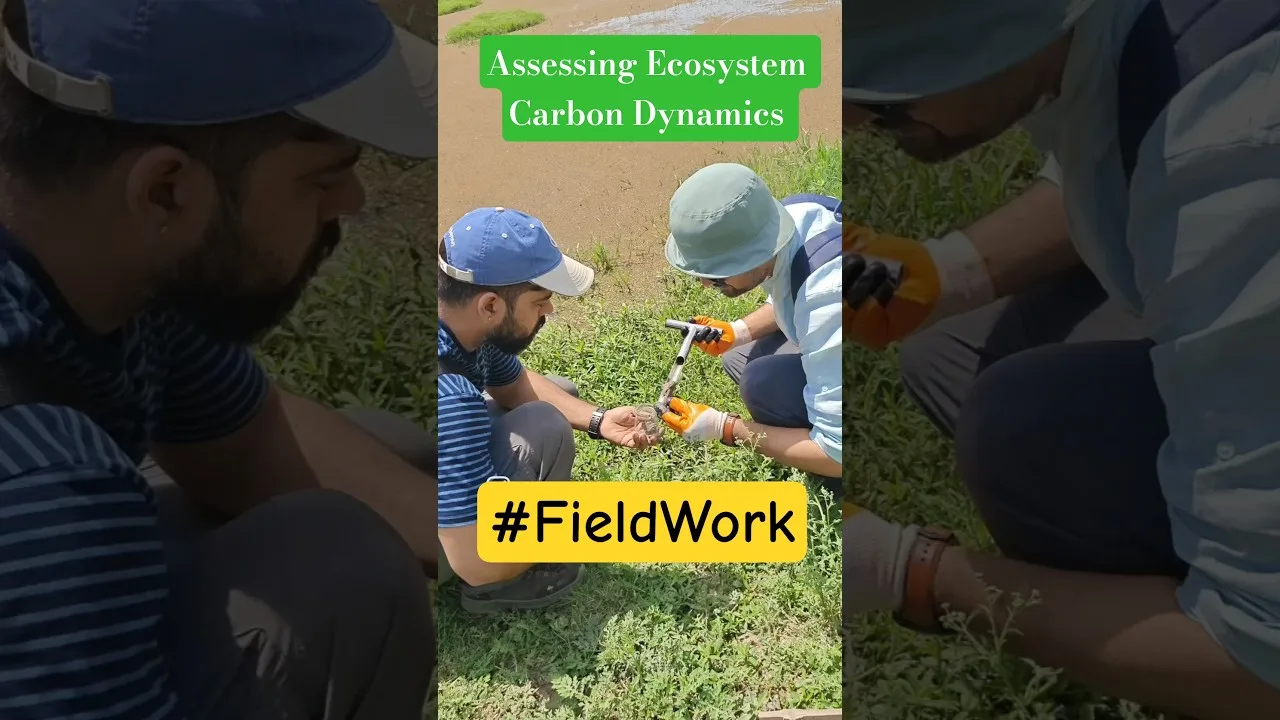
Ecosystem Carbon Dynamics #thegeoecologist #climatechange #shorts
Unveiling Nature’s Carbon Vaults: Wetland Research at Sultanpur National Park 🌿🌍
In the heart of India’s vibrant landscapes lies Sultanpur National Park, not just a haven for migratory birds, but a frontline player in the global fight against climate change. As #climatechange accelerates, understanding where and how nature stores carbon is critical. Our #thegeoecologist team delved into the intricate world of #EcosystemCarbonDynamics, focusing on the vital role of #wetlandecology as powerful #carbonsequestration hubs.
Why Wetlands? The Unsung Heroes 🌿
Wetlands are nature’s superstars for carbon storage. Their waterlogged soils create conditions where plant material decomposes slowly, locking away vast amounts of carbon for centuries, sometimes millennia. Sultanpur’s mosaic of marshes, ponds, and grasslands represents a significant potential carbon sink. However, accurately quantifying this storage and understanding the processes driving carbon flux (both uptake and release) across different wetland zones is essential.
Field Science in Action: Sultanpur Deep Dive 🔬
Under the guidance of Principal Investigator Vipin Solanki and Co-Principal Investigator Dr. Krishnanand, with dedicated field support from Research Student Tingten Longs, we embarked on a systematic mission:
- 📍 Soil Sampling: We meticulously collected soil cores from various wetland zones – from open water fringes to seasonally inundated grasslands. These samples are crucial for measuring soil organic carbon (SOC) content and understanding how deep carbon reserves extend.
- 🌿 Vegetation Assessment & Biomass Analysis: We inventoried plant species and quantified the above-ground biomass. This represents the carbon actively captured by plants through photosynthesis. Understanding which plants dominate and their growth rates is key to modeling carbon uptake.
- 🌊 Wetland Ecosystem Profiling: Beyond plants and soil, we mapped the physical characteristics: hydroperiod (how long water is present), soil type, water chemistry, and micro-topography. These factors fundamentally influence how carbon cycles within the wetland.
- 🔍 Geoecological Observations: We recorded field-based observations on land use, hydrological connectivity, and signs of disturbance – all factors that can potentially enhance carbon release or hinder sequestration.
Bridging Science and Action 🎯
This #fieldwork isn’t just about collecting data points; it’s about building a comprehensive picture of Sultanpur’s carbon budget. By linking soil carbon, plant biomass, and environmental drivers, we can better predict how this vital ecosystem responds to changes like water level fluctuations, pollution, or climate shifts themselves.
Protecting and restoring wetlands like Sultanpur isn’t just about biodiversity; it’s a tangible strategy for #climatechange mitigation. Accurately assessing their #carbonsequestration potential empowers better conservation policies and land-use planning, turning these landscapes into strategic assets in the global carbon balance.
This is #geoecology in its purest form: translating complex field observations into actionable insights for a sustainable future. The wetlands are working hard for us – it’s our job to understand, respect, and protect their climate-regulating power. 💚
🔥 Follow @thegeoecologist for more immersive field stories, cutting-edge environmental research, and deep dives into the geography shaping our planet!
EcosystemCarbonDynamics #WetlandResearch #SultanpurNationalPark #ClimateScience #FieldResearch #CarbonStorage #EnvironmentalScience #IndiaGeography #Conservation #ScienceIsAwesome
To Download E-Books & Study Material Visit The Shop Page