Blog
Delhi Air Pollution: GRAP Stage 4 Imposed Amidst Toxic Smog

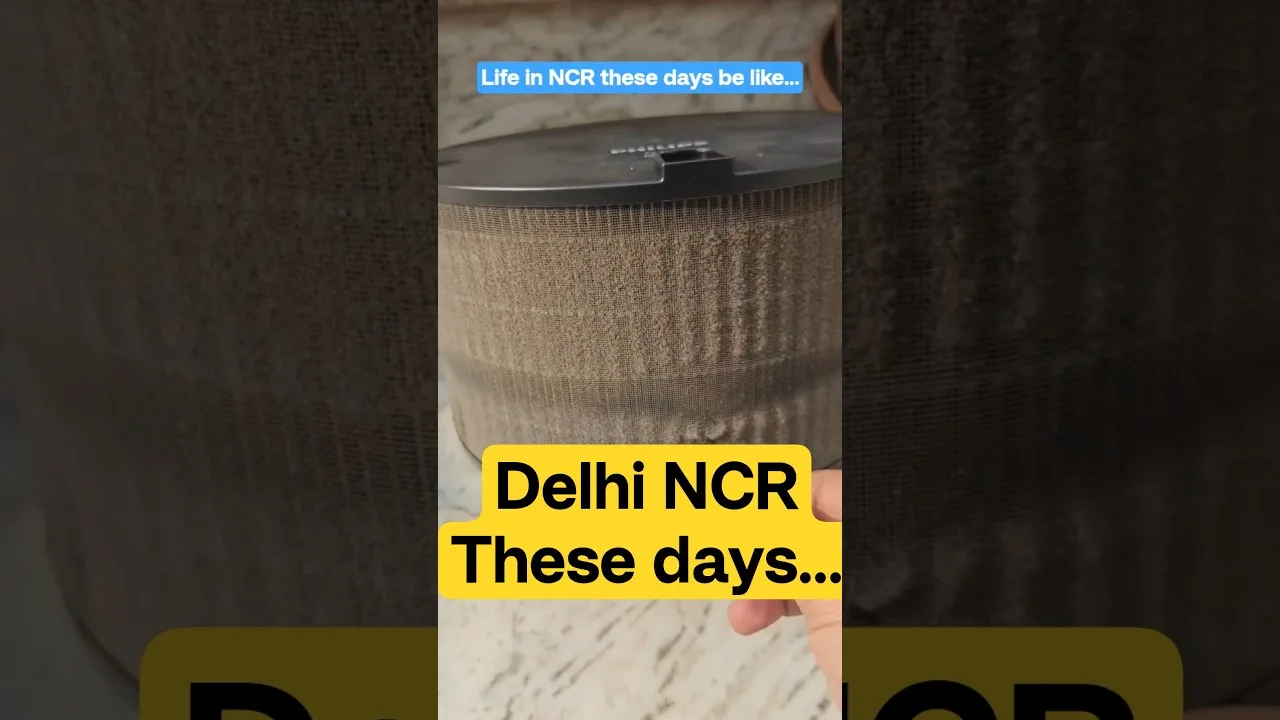
Table of Contents
Delhi air pollution has reached a critical tipping point, transforming the National Capital Region (NCR) into a hazardous zone where breathing has become a life-threatening activity. As the Air Quality Index (AQI) skyrockets past the 500 mark, marking a ‘Severe+’ category, the government has been forced to trigger the highest level of emergency response. The visibility of iconic landmarks like India Gate has vanished behind a thick, grey shroud of toxic smog, leaving millions to grapple with an unprecedented public health crisis.
Key Takeaways
- GRAP Stage 4 Imposed: Drastic measures including bans on construction and diesel trucks are now in effect.
- Health Emergency: AQI levels exceeding 500+ have caused a significant surge in respiratory hospitalizations.
- Primary Drivers: Stubble burning, vehicular emissions, and winter temperature inversion are the main culprits.
- Emergency Measures: Work-from-home mandates and school closures are being implemented to reduce exposure.
The Escalation of Delhi Air Pollution and GRAP Stage 4
The current state of Delhi air pollution is not merely a seasonal nuisance; it is a full-scale environmental catastrophe. In response to the deteriorating atmospheric conditions, authorities have officially activated Stage 4 of the Graded Response Action Plan (GRAP). This framework, designed by the Commission for Air Quality Management, is a set of emergency measures triggered by specific AQI thresholds to mitigate the impact of smog.
Under the mandates of GRAP Stage 4, several strict regulations have been implemented to curb the rise in Delhi air pollution. These include a total ban on non-essential construction activities and a significant restriction on the movement of diesel-run heavy vehicles. Furthermore, many government and private sectors have been directed to implement a 50% work-from-home policy to reduce the number of commuters on the road. Educational institutions have also faced disruptions, with many schools shifting to online modes indefinitely to protect children from inhaling lethal particulate matter.
Why the Air Quality is Deteriorating So Rapidly
To understand the severity of the Delhi air pollution crisis, one must look at the complex interplay of meteorological and anthropogenic factors. During the winter months, a phenomenon known as ‘temperature inversion’ occurs. Normally, warm air rises and carries pollutants away; however, during winter, a layer of warm air traps cold, polluted air closer to the ground, concentrating the toxins.
The primary drivers contributing to this toxic cocktail include:
- Stubble Burning: Seasonal agricultural residue burning in neighboring states like Punjab and Haryana releases massive plumes of smoke into the atmosphere.
- Vehicular Emissions: With over 15 million registered vehicles in the region, the constant output of PM2.5 and PM10 particles is staggering.
- Industrial Output: Despite regulations, industrial emissions in the NCR periphery continue to add to the heavy load of Delhi air pollution.
- Construction Dust: Even with bans, residual dust from ongoing urban development projects remains a significant contributor to particulate matter.
The Public Health Impact: A Growing Emergency

The health implications of the current Delhi air pollution levels are nothing short of catastrophic. Medical professionals are reporting a 30% increase in emergency admissions related to respiratory distress. For many residents, breathing the current air is equivalent to smoking nearly 30 cigarettes in a single day. The microscopic PM2.5 particles are particularly dangerous as they can penetrate deep into the lungs and enter the bloodstream.
Doctors have noted a surge in symptoms such as chronic coughing, burning eyes, and severe asthma attacks. The most vulnerable demographics—children, the elderly, and those with pre-existing pulmonary conditions—are facing the highest risks. The Delhi air pollution crisis is no longer just an environmental issue; it is a medical emergency that is straining the healthcare infrastructure of the entire NCR region.
Protective Measures for Residents
As the Delhi air pollution levels remain high, experts strongly recommend several precautions to minimize exposure:
- Use N95 Masks: Standard cloth masks are insufficient against PM2.5; high-filtration N95 masks are essential when outdoors.
- Indoor Air Purifiers: Utilizing high-quality air purifiers with HEPA filters is highly recommended for indoor environments.
- limit Outdoor Activities: Avoid heavy physical exertion outdoors, especially during early morning and late evening hours.
- Hydration and Diet: Maintaining hydration and consuming antioxidant-rich foods can help the body cope with the oxidative stress caused by pollution.
Long-Term Solutions to Combat Delhi Air Pollution
While GRAP Stage 4 provides a temporary shield, it does not address the root causes of the Delhi air pollution problem. For a sustainable future, a multi-pronged approach is required to ensure the city can breathe again. Experts suggest that the transition to green energy must be accelerated to effectively manage Delhi air pollution.
One critical step is the rapid adoption of Electric Vehicles (EVs). Transitioning from internal combustion engines to electric transport would drastically reduce the vehicular contribution to Delhi air pollution. Additionally, improving waste management systems to prevent the open burning of refuse is vital. Furthermore, providing farmers with sustainable alternatives to stubble burning, such as mechanical mulchers, is a key component of the long-term strategy.
The fight against Delhi air pollution requires consistent, year-round enforcement of environmental laws rather than reactive emergency measures. Without a systemic shift in how urban and agricultural activities are managed, the cycle of toxic smog will continue to haunt the residents of the National Capital Region every winter.
As the city waits for rain or wind to clear the haze, the urgency for policy reform has never been higher. The current levels of Delhi air pollution serve as a grim reminder of the environmental cost of rapid urbanization and the necessity of prioritizing sustainable development over short-term economic convenience.
Frequently Asked Questions
GRAP Stage 4 is the highest level of the Graded Response Action Plan, triggered when air quality reaches 'Severe+' levels. It involves bans on construction and diesel trucks to mitigate pollution.
High levels of particulate matter (PM2.5) can cause respiratory issues, asthma attacks, burning eyes, and long-term lung damage, similar to the effects of smoking.
It is recommended to wear N95 masks, use indoor air purifiers, avoid outdoor physical activity, and stay indoors as much as possible during high pollution periods.