Blog
ecosystem functioning: A Complete Guide for UPSC Aspirants

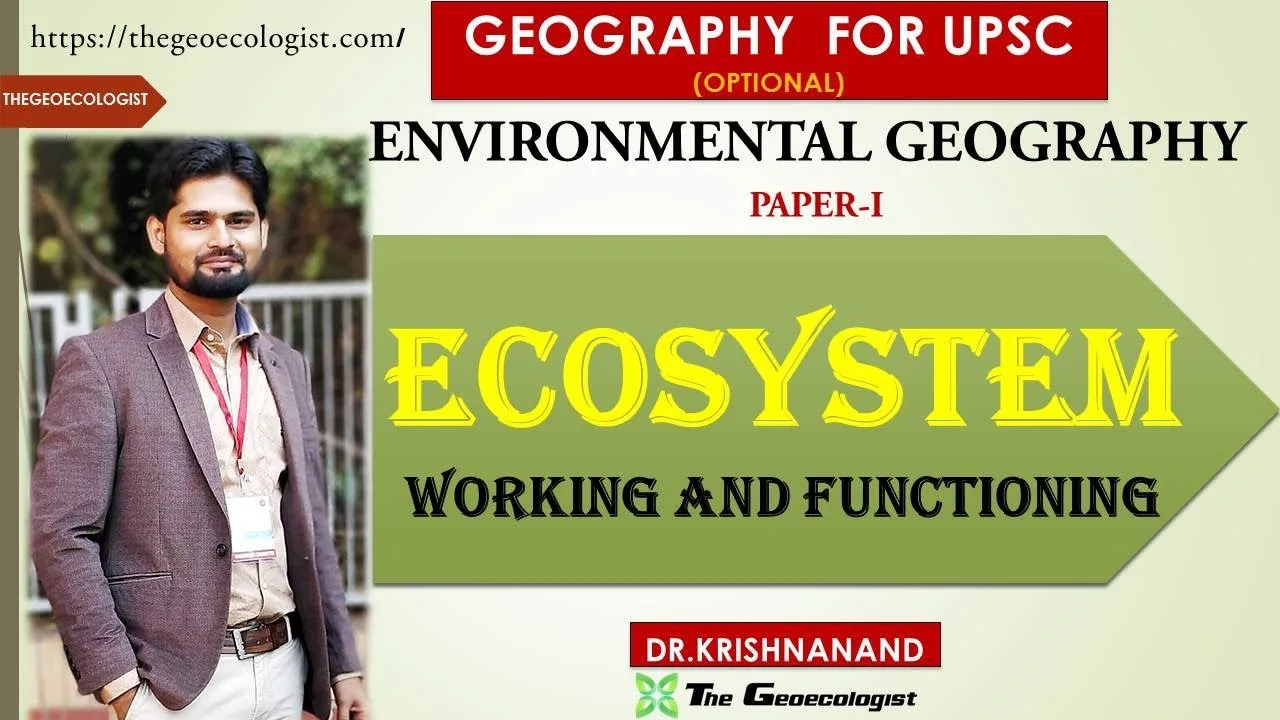
Table of Contents
- ecosystem functioning: Core Concepts
- Biotic and Abiotic Foundations of Ecosystem Functioning
- Energy Flow and the 10% Law
- Nutrient Cycling and Biogeochemical Loops
- Ecological Succession: Primary and Secondary Dynamics
- Types of Ecosystems and Their Global Significance
- Human Impact and Policy Implications
- Assessing Ecosystem Functioning in Practice
- Conservation Strategies Grounded in Ecosystem Functioning
- Examining Ecosystem Functioning in UPSC Optional Paper 1
- Final Thoughts: Why Ecosystem Functioning Matters for UPSC
ecosystem functioning is the cornerstone of environmental geography, especially for UPSC aspirants seeking to master complex ecological concepts. Understanding the intricate interplay between biotic and abiotic components—plants, microbes, soil, water, and sunlight—provides a solid foundation for answering both GS and optional paper questions. The phrase ecosystem functioning captures the dynamic processes that maintain ecological equilibrium, from energy flow to nutrient cycling and beyond.
- Clarify the definition ofっぱい ecosystem functioning for rapid recall.
- Identify the key energy and nutrient pathways.
- Recognize the role of human impact on ecosystem functioning.
- Remember the significance of biogeochemical cycles.
- Appreciate case studies such as the Sundarbans and Thar Desert.
- Apply the concept to real‑world policy debates.
ecosystem functioning: Core Concepts
In any natural system, ecosystem functioning hinges on the relationship between organisms and their environment. Producers, primarily autotrophs, capture solar energy through photosynthesis while consumers—herbivores, carnivores, and omnivores—rely on these producers for nourishment. Decomposers like fungi and bacteria then recycle organic material, closing the loop. This continuous cycle ensures that energy and matter are efficiently transferred, sustaining life across scales.
Biotic and Abiotic Foundations of Ecosystem Functioning
Biotic components (living entities) and abiotic components (non‑living elements) together define the structural framework of ecosystem functioning. Plants, animals, microbes, and even humans form the living matrix, whereas air, water, soil, temperature, and minerals constitute the non‑living matrix. Their interaction is pivotal: water cycles through evaporation, condensation, and precipitation, while Complex interactions, such as the carbon cycle, illustrate how energy is stored, released, and redistributed across the biosphere.
Energy Flow and the 10% Law
One of the fundamental principles governing ecosystem functioning is the 10% Law of energy transfer. In a food chain, only about 10% of the energy from one trophic level is passed to the next. This inefficiency explains why ecosystems rarely support more than a few trophic levels. Ecological pyramids—number, biomass, and energy—are visual tools that reveal this gradient and help students quantify the efficiency of ecosystem functioning.
Nutrient Cycling and Biogeochemical Loops
Beyond energy, the cycling of essential nutrients such as carbon, nitrogen, and phosphorus is central to ecosystem functioning. In the nitrogen cycle, atmospheric N₂ is fixed by bacteria, incorporated into plants, and then transferred through the food web before returning to the atmosphere via decomposition. Human activities like fertilizer use, deforestation, and fossil fuel combustion alter these cycles, compromising ecosystem functioning and threatening sustainability.
Ecological Succession: Primary and Secondary Dynamics
Ecological succession illustrates the temporal dimension of ecosystem functioning. Primary succession takes place on newly exposed surfaces—rock to lichens to mosses to pioneer grasses, eventually forming a mature forest. Secondary succession follows disturbances such as fire or logging, where soil remains and vegetation regrows more rapidly. Understanding these processes is crucial for predicting how ecosystems respond to climate change and land‑use alterations.
Types of Ecosystems and Their Global Significance
Terrestrial and aquatic systems each present unique challenges and opportunities for studying ecosystem functioning. Forests, grasslands, deserts, tundras, wetlands, lakes, rivers, and oceans (marine) all host distinct biotic communities and abiotic conditions. The Sundarbans, a mangrove ecosystem, celebraes the resilience of ecosystem functioning under extreme tidal influences, while the Thar Desert exemplifies adaptation strategies in arid climates. These case studies frequently appear in UPSC exams, making them essential study subjects.
Human Impact and Policy Implications
Industrialization, urbanization, and agriculture exert profound pressure on ecosystem functioning, leading to habitat fragmentation, pollution, and biodiversity loss. Policy frameworks—such as the National Biodiversity Action Plan and international agreements like the Paris Accord—aim to mitigate these impacts. For UPSC aspirants,ografie understanding how policy shapes ecosystem functioning is vital for crafting solutions in the GS modules.
Assessing Ecosystem Functioning in Practice
Monitoring indicators such as primary productivity, species diversity, and trophic interactions provides a quantitative measure of ecosystem functioning. The concept of carrying capacity— the maximum population an ecosystem can sustain—directly relates to how human activities may alter ecosystem functioning. Additionally, ecological footprints compare resource consumption against the regenerative capacity of ecosystems, highlighting unsustainable practices.
Conservation Strategies Grounded in Ecosystem Functioning
Effective conservation hinges on a deep grasp of ecosystem functioning. Strategies such as establishing buffer zones, protecting biodiversity hotspots, and restoring degraded habitats all aim to preserve the processes that sustain life. For instance, Corbett Tiger Reserve serves as a buffer that maintains the natural flow of animal movements, thereby supporting ecosystem functioning on a regional scale.
Examining Ecosystem Functioning in UPSC Optional Paper 1
ҐThe optional paper frequently tests knowledge on ecosystem services—provisioning, regulating, cultural, and supporting—each rooted in the mechanics of ecosystem functioning. Students must articulate how human activities influence these services, drawing from principles of energy and nutrient cycles, succession, and ecological resilience. Mastery of these concepts ensures high-scoring answers in both scenario-based and conceptual questions.
Final Thoughts: Why Ecosystem Functioning Matters for UPSC
In sum, a comprehensive understanding of ecosystem functioning equips aspirants with the analytical tools to dissect environmental challenges. From energy flows to nutrient cycles, from succession dynamics to policy implications, these concepts form the backbone of environmental geography. By integrating case studies, quantitative analysis, and policy evaluation, students can confidently tackle both GS and optional paper questions, turning ecological knowledge into exam success.
To deepen your insight into ecosystem functioning, explore authoritative resources such as the ecosystem page, the detailed carbon cycle overview, and the fascinating Sundarbans case study. These references provide foundational knowledge and real‑world context for mastering ecosystem functioning in your UPSC journey.
Frequently Asked Questions
Ecosystem functioning refers to the dynamic processes—such as energy flow, nutrient cycling, and biotic interactions—that sustain ecological equilibrium within a natural system.
Industrialization, deforestation, and pollution disrupt energy pathways, alter nutrient cycles, and degrade habitats, leading to reduced ecosystem functioning and biodiversity loss.
It underpins key topics in GS and optional papers, enabling aspirants to analyze environmental issues, assess policy impacts, and propose sustainable solutions.