Blog
Geography of India: My Journey Editing Majid Husain’s Classic

Table of Contents
Geography of India has long been regarded as the cornerstone text for aspirants preparing for the UPSC civil services examination and for scholars keen to understand the subcontinent’s physical and human landscapes. My association with this seminal work began in 2019 when I was invited to serve as an editor for the ninth edition published by McGraw Hill Education. The experience allowed me to revisit every chapter, from physiography to climate change, and to ensure that the content reflected the latest data and pedagogical standards. Working closely with Dr. Majid Husain’s vision and the editorial team at McGraw Hill reinforced my belief that geography is not merely about memorizing facts but about interpreting patterns that shape societies and ecosystems.
- Insight into the editorial process behind the ninth edition of Geography of India.
- Understanding how updated data on physiography, climate, and socio‑economic trends were integrated.
- Lessons on balancing academic rigor with accessibility for UPSC aspirants.
- The role of collaborative publishing with McGraw Hill in enhancing textbook quality.
- How contributing to Geography of India reinforced a lifelong passion for spatial thinking and sustainability.
Why Geography of India Remains Indispensable for UPSC Preparation
For decades, Geography of India has served as the primary reference for candidates tackling the geography segment of the UPSC syllabus. The book’s clear exposition of India’s diverse relief features, drainage systems, and climatic zones enables aspirants to build a solid foundation before moving to more analytical topics. In the ninth edition, we incorporated the latest data from the Geography of India Wikipedia page, ensuring that figures on forest cover, river lengths, and mineral reserves matched the 2020‑2021 reports from the Ministry of Environment, Forest and Climate Change. This commitment to currency helps students answer questions that rely on recent statistics, such as the share of renewable energy in India’s total installed capacity, which stood at 38% in 2023 according to the Central Electricity Authority.
Historical Evolution of the Textbook
The first edition of Geography of India appeared in 1974, authored by the eminent geographer Dr. Majid Husain. Over the years, each revision has mirrored the nation’s evolving developmental priorities. The 1990s editions emphasized agricultural patterns and land‑use changes, while the 2000s versions integrated disaster management lessons following the 2004 Indian Ocean tsunami. By the time we approached the ninth edition, the focus had shifted toward sustainable development goals (SDGs), climate resilience, and the geopolitical implications of India’s maritime boundaries. Linking to Dr. Husain’s biography, the Majid Husain (geographer) Wikipedia page outlines his academic contributions that have shaped generations of geographers.
Key Updates in the Ninth Edition
Our editorial team undertook a comprehensive audit of every chapter. In the physiography section, we revised the description of the Himalayan tectonic framework using the latest seismic zone maps from the India Meteorological Department (IMD). The climate chapter now includes a detailed analysis of the changing monsoon patterns, referencing the 2022 IPCC report on regional climate impacts. Socio‑economic chapters were refreshed with data from the 2011 Census and the subsequent Periodic Labour Force Surveys, highlighting trends such as the rise of the service sector to over 55% of GDP. We also added new case studies on the Sagarmala port‑led development initiative and the National Mission for Clean Ganga, providing real‑world examples that enrich analytical answers for UPSC mains.
The Editorial Journey: Challenges and Rewards
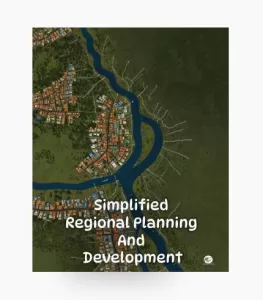
Editing a textbook of this stature demanded meticulous cross‑checking of facts, figures, and maps. One of the most rewarding aspects was collaborating with subject‑matter experts from universities across India, who contributed peer‑reviewed insights on topics like soil health cards and the National Action Plan on Climate Change. The process also highlighted the importance of clear language; we rephrased dense passages to improve readability without compromising academic depth. Receiving acknowledgment in the preface of the ninth edition was a humbling reminder that scholarly work thrives on collective effort, and it reinforced my commitment to #TheGeoecologist’s mission of promoting geographic literacy.
Impact on Students and Educators
Since its release, the ninth edition of Geography of India has been adopted by numerous coaching institutes and university departments. Feedback from UPSC aspirants indicates that the updated diagrams and revised case studies have improved their ability to tackle application‑based questions in the preliminary exams. Educators appreciate the inclusion of QR codes that link to supplementary video lectures hosted on McGraw Hill’s online portal, creating a blended learning experience. Moreover, the book’s alignment with the latest UPSC syllabus has reduced the need for multiple reference texts, streamlining preparation strategies for thousands of candidates each year.
Future Directions for Geography Textbooks in India
Looking ahead, the next iteration of Geography of India could integrate more interactive elements, such as GIS‑based exercises and real‑time data dashboards. Embracing open‑access platforms would allow continuous updates between print editions, ensuring that the content remains relevant in a fast‑changing world. Additionally, incorporating indigenous knowledge systems and community‑based conservation practices could enrich the narrative, offering a more holistic view of India’s environmental stewardship. As geography continues to intersect with technology, policy, and social justice, textbooks like Geography of India will remain vital tools for nurturing the next generation of informed citizens and policymakers.
Frequently Asked Questions
The ninth edition incorporates the latest census data, climate change updates, and new case studies on initiatives like Sagarmala and Clean Ganga, making it highly relevant for UPSC aspirants and scholars.
Serving as an editor provided deep engagement with the subject, enhanced research skills, offered collaboration with experts, and reinforced a lifelong passion for geographic education and sustainability.
You can refer to his detailed biography on Wikipedia, which outlines his academic contributions and influence on Indian geography.