Blog
Cloud Burst Induced Disasters – Cloud Burst in India- TheGeoecologist

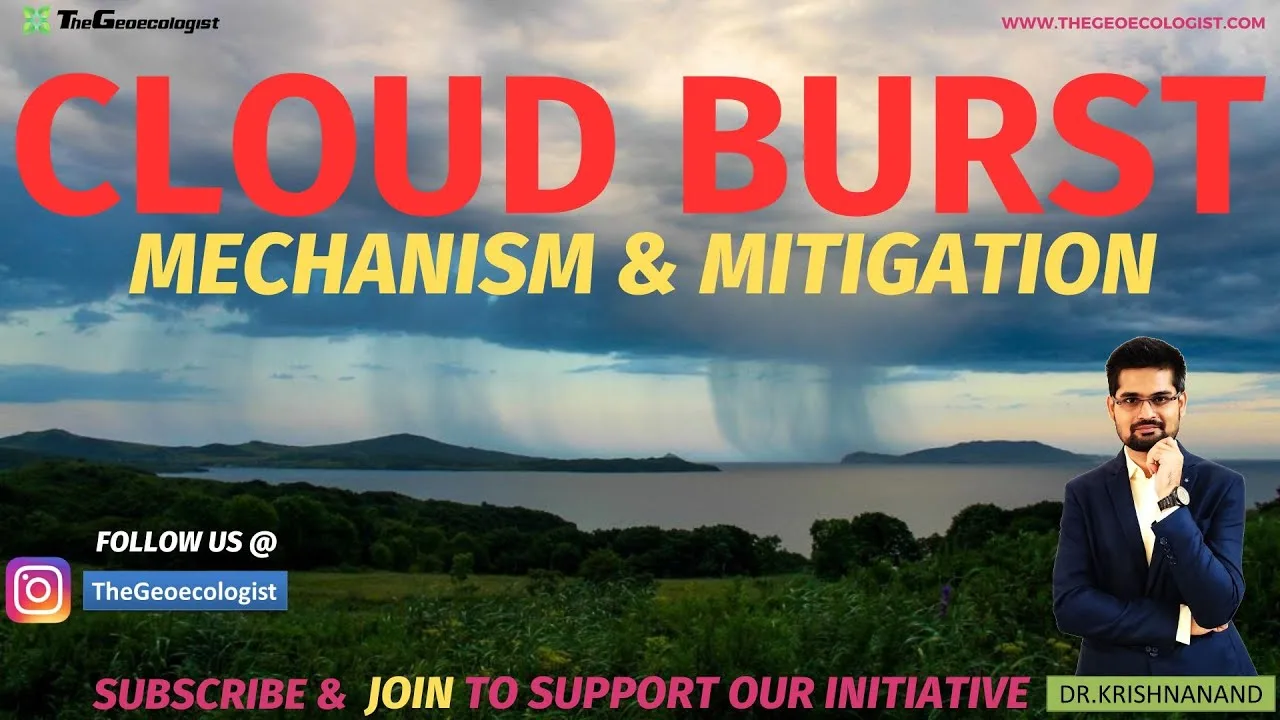
Cloud Burst Induced Disasters – Cloud Burst in India- TheGeoecologist
Understanding Cloud Burst Induced Disasters in India: A Guide for UPSC Aspirants
Introduction
In recent years, devastating cloud bursts in India, such as the 2013 Uttarakhand floods, have underscored the urgent need to understand these sudden meteorological phenomena. For UPSC aspirants, particularly those opting for Geography Optional, grasping the dynamics of cloud bursts and their socio-environmental impacts is critical. This article synthesizes insights from Dr. Krishnanand’s lecture on TheGeoecologist, providing a simplified yet comprehensive overview of cloud burst-induced disasters in India.
What is a Cloud Burst?
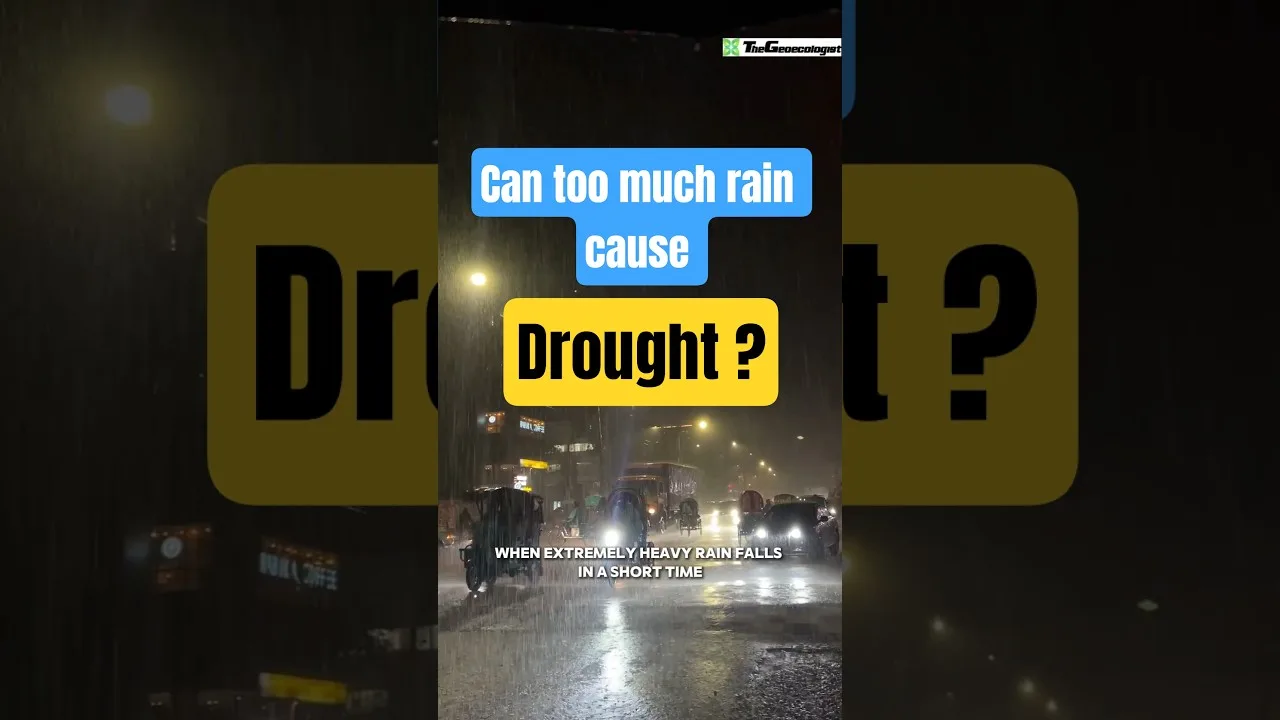
A cloud burst refers to an extreme weather event characterized by intense rainfall over a small area within a short duration. The India Meteorological Department (IMD) defines it as 100 mm of rainfall per hour, often localized to a 20-30 square km region. These events are notorious for triggering flash floods, landslides, and large-scale destruction.
Formation Mechanism:
Cloud bursts typically occur due to orographic uplift, where moisture-laden winds ascend steep mountain slopes (e.g., the Himalayas), condense rapidly, and release heavy rainfall. Thermals or convective clouds can also exacerbate such events. Their unpredictability and suddenness make them particularly dangerous.
Cloud Burst Hotspots in India
India’s Himalayan states—Uttarakhand, Himachal Pradesh, Jammu & Kashmir, and Ladakh—are most vulnerable due to:
- Topography: Steep slopes and narrow valleys amplify runoff.
- Monsoon Dynamics: Seasonal winds colliding with mountain barriers.
- Glacial Melt: Climate change-induced glacier retreat loosens soil, increasing landslide risks.
Case Study: 2013 Uttarakhand Disaster
A multi-day cloud burst in June 2013 caused catastrophic flooding, claiming over 5,000 lives. The event highlighted poor disaster preparedness, unregulated construction in floodplains, and ecological fragility, serving as a crucial case study for aspirants.
Factors Amplifying Cloud Burst Disasters
- Climate Change: Warmer temperatures increase atmospheric moisture, intensifying rainfall.
- Deforestation: Reduces soil stability, raising landslide risks.
- Urbanization: Unplanned development in vulnerable zones exacerbates flood impacts.
Disaster Management Strategies
Early Warning Systems:
- Deploying Doppler radars and automated weather stations for real-time monitoring.
- Challenges: Limited forecasting accuracy due to the localized nature of cloud bursts.
Mitigation Measures:
- Land-Use Planning: Restrict construction in flood-prone areas.
- Afforestation: Stabilize slopes and enhance water absorption.
- Community Preparedness: Train locals in evacuation and emergency response.
- Post-Disaster Response:
- Efficient rescue operations and rehabilitation frameworks.
- Integrating traditional knowledge with modern technology for resilience.
Relevance to UPSC Geography Optional
This topic intersects multiple segments of the syllabus:
- Climatology: Mechanisms of extreme weather events.
- Geomorphology: Landslide dynamics and fluvial processes.
- Environmental Geography: Human-environment interactions and sustainable practices.
- Disaster Management: Policy frameworks and case studies.
Aspirants should focus on:
- Analyzing causes and impacts of specific cloud burst events.
- Critically evaluating India’s disaster management policies.
- Linking climate change to increasing hydro-meteorological risks.
Conclusion
Cloud burst-induced disasters exemplify the complex interplay of natural processes and human vulnerability. For UPSC candidates, mastering this topic requires a blend of conceptual clarity and empirical understanding. Engage with resources like Dr. Krishnanand’s lectures on TheGeoecologist for simplified explanations and strategic insights.
Explore More:
- Watch the Full Lecture: Cloud Burst Induced Disasters
- Enroll in Courses: TheGeoecologist Website
- Stay Updated: Follow @thegeoecologist on Instagram.
cloudburst #disastermanagement #upscgeography
Prepare smartly, think critically, and integrate interdisciplinary knowledge to ace the UPSC journey! 🌍📚
To Download E-Books & Study Material Visit The Shop Page