Blog
World Climate and Climate Change- NCERT Class 11-Chapter 12

World Climate and Climate Change- NCERT Class 11-Chapter 12
Understanding World Climate and Climate Change: A Guide for CBSE Class 11 and Competitive Exams
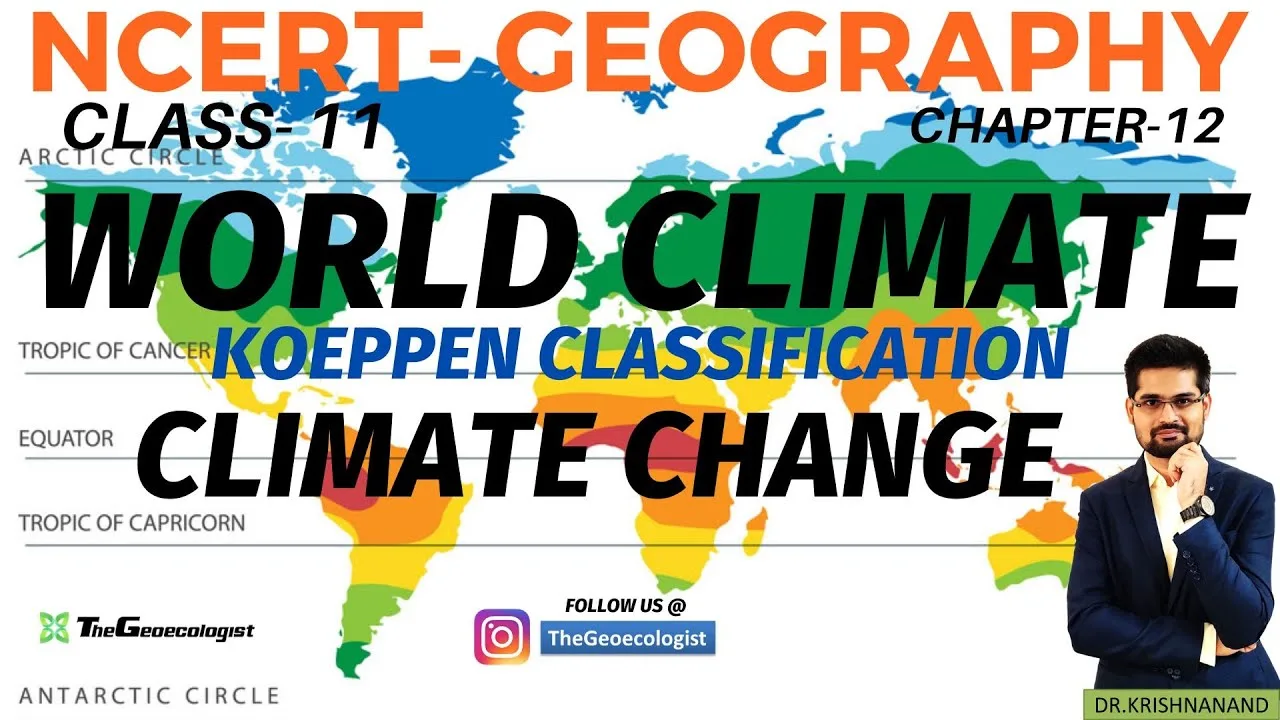
Climate and climate change are critical topics in geography, shaping ecosystems, human societies, and global policies. For CBSE Class 11 students and competitive exam aspirants, mastering NCERT Class 11 Geography Chapter 12: World Climate and Climate Change is essential. This article simplifies key concepts from the chapter and integrates insights from TheGeoecologist’s bilingual video (Hindi-English), making it ideal for effective learning.
1. World Climate: Classifications and Factors
The NCERT chapter introduces Koeppen’s Climate Classification, a widely used system based on temperature, precipitation, and vegetation. Key climate zones include:
- Tropical (e.g., Amazon rainforest: high rainfall year-round).
- Dry (e.g., Sahara Desert: arid conditions).
- Temperate (e.g., Mediterranean: warm summers, mild winters).
- Continental (e.g., Siberia: extreme temperature variations).
- Polar (e.g., Antarctica: permanently cold).
Factors influencing climate:
- Latitude, altitude, ocean currents, and pressure systems.
- TheGeoecologist’s video uses maps and diagrams to explain how these factors create regional variations, such as India’s monsoon climate.
2. Climate Change: Causes and Impacts
Climate change refers to long-term shifts in temperature and weather patterns. Key concepts include:
- Greenhouse Effect: Natural process (e.g., CO₂, methane) warming Earth’s surface.
- Global Warming: Enhanced greenhouse effect due to human activities like fossil fuel combustion, deforestation, and industrialization.
Impacts of Climate Change:
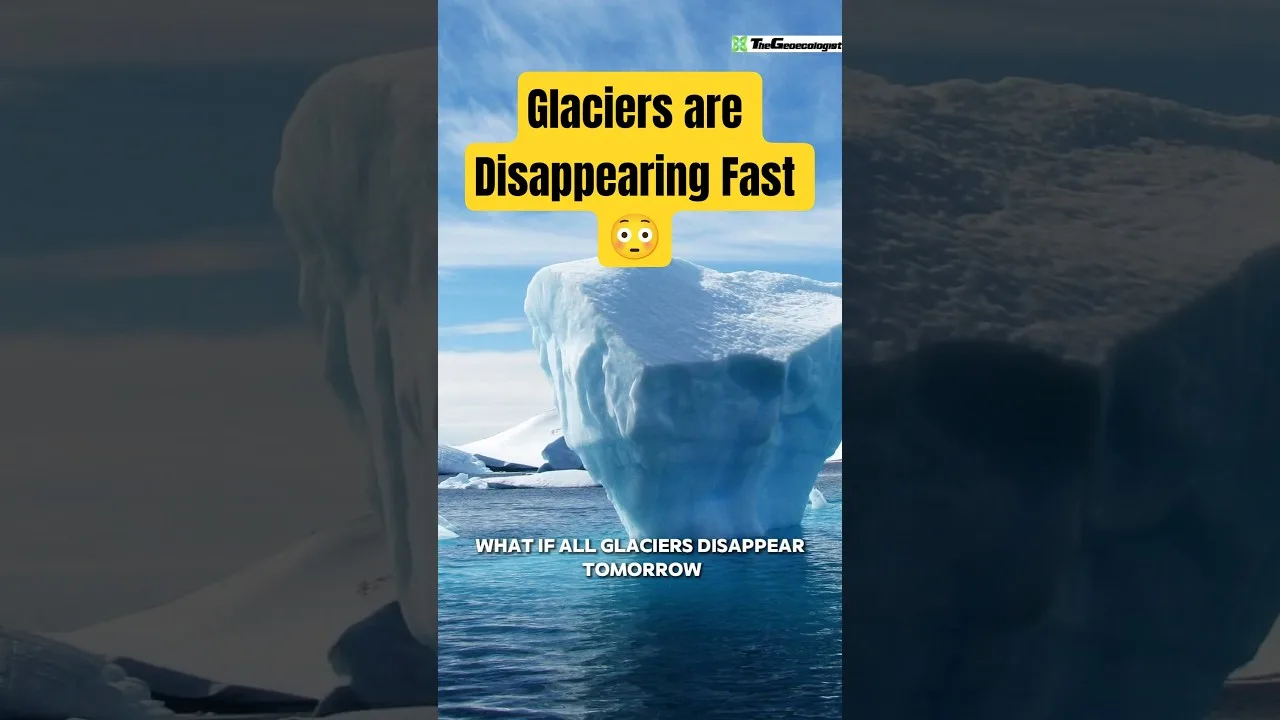
- Rising sea levels (melting glaciers, ice sheets).
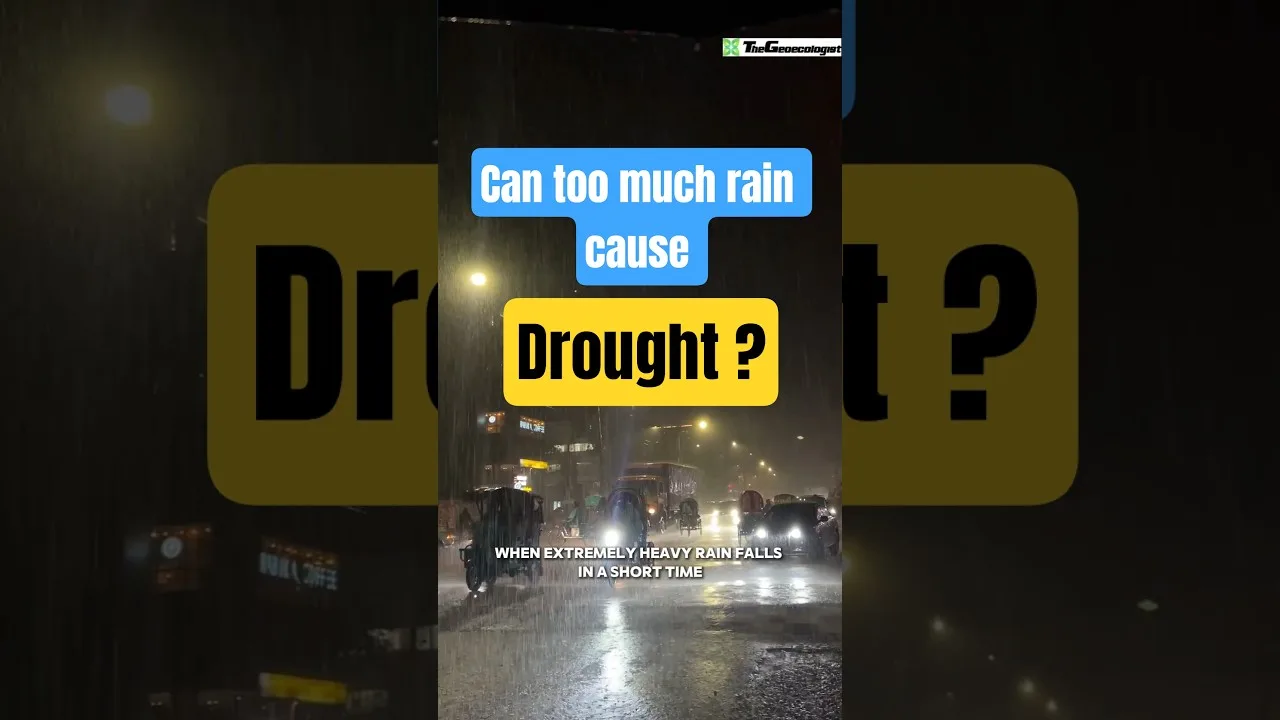
- Extreme weather events (cyclones, droughts).
- Threats to biodiversity and agriculture.
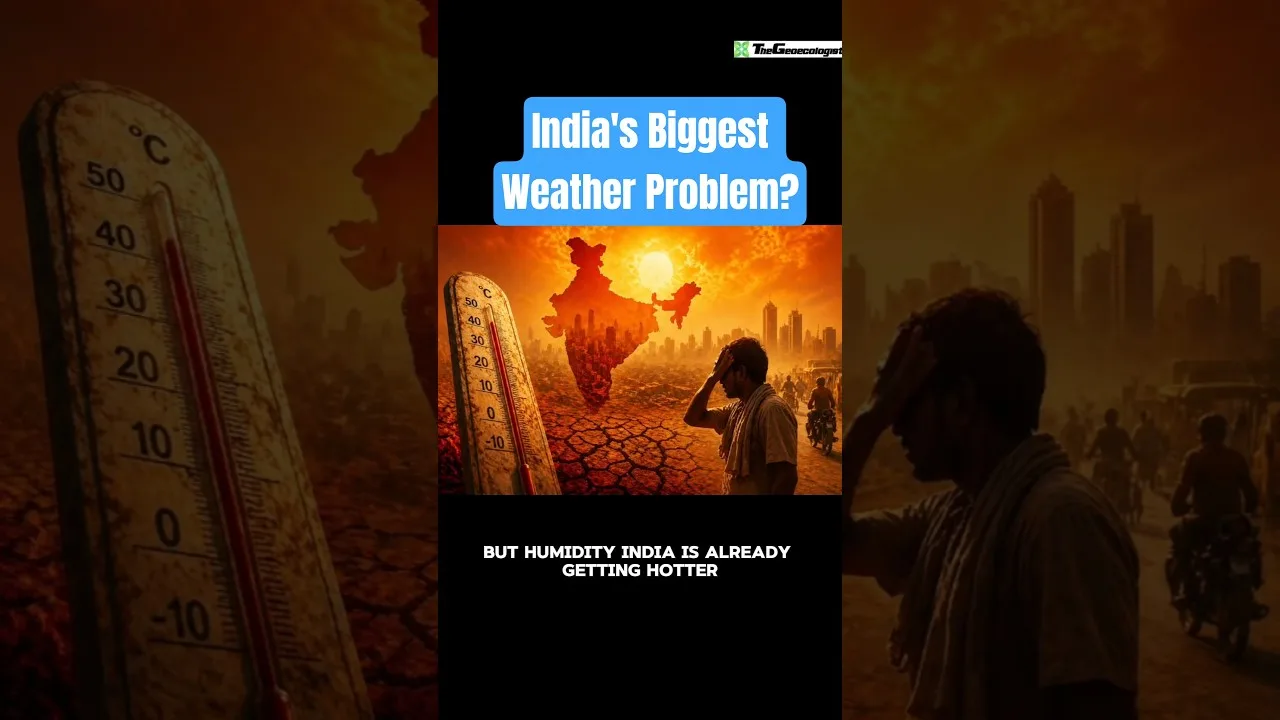
TheGeoecologist’s video highlights India-specific examples, such as Himalayan glacier retreat and changing monsoon patterns, crucial for UPSC aspirants.
3. Mitigation and Adaptation Strategies
The NCERT chapter emphasizes solutions:
- Mitigation: Reducing emissions via renewable energy (solar, wind), afforestation, and international agreements like the Paris Agreement.
- Adaptation: Building resilient infrastructure, drought-resistant crops, and disaster management (e.g., India’s National Disaster Management Authority).
The video simplifies complex policies like India’s National Action Plan on Climate Change (NAPCC) using flowcharts and bilingual explanations, aiding memorization.
4. Relevance for Exams
- CBSE Class 11: Focus on Koeppen’s classification, greenhouse effect diagrams, and case studies.
- UPSC/Competitive Exams: Link climate change to current affairs (e.g., IPCC reports, COP meetings) and India’s climate initiatives.
Why Use TheGeoecologist’s Video?
- Bilingual Approach: Hindi-English mix clarifies tough concepts (e.g., “जलवायु परिवर्तन” for climate change).
- Visual Learning: Animated explanations of atmospheric processes and maps.
- Exam Tips: Highlights frequently asked questions and diagrams.
Conclusion
Understanding climate systems and their changes is vital for academic and competitive success. Pair your NCERT study with TheGeoecologist’s video for a holistic grasp. Revise key terms, practice map-based questions, and stay updated on global climate policies!
Enroll in our detailed courses at TheGeoecologist
Follow us on Instagram for study tips and updates.
ncertclass11geography #ncertrevision #climatechange #upscpreparation #cbseclass11
Keywords: Koeppen’s classification, greenhouse effect, global warming, NAPCC, Paris Agreement.
To Download E-Books & Study Material Visit The Shop Page