Blog
soil classification systems: USDA, ICAR, Genetic & Marbut Explained

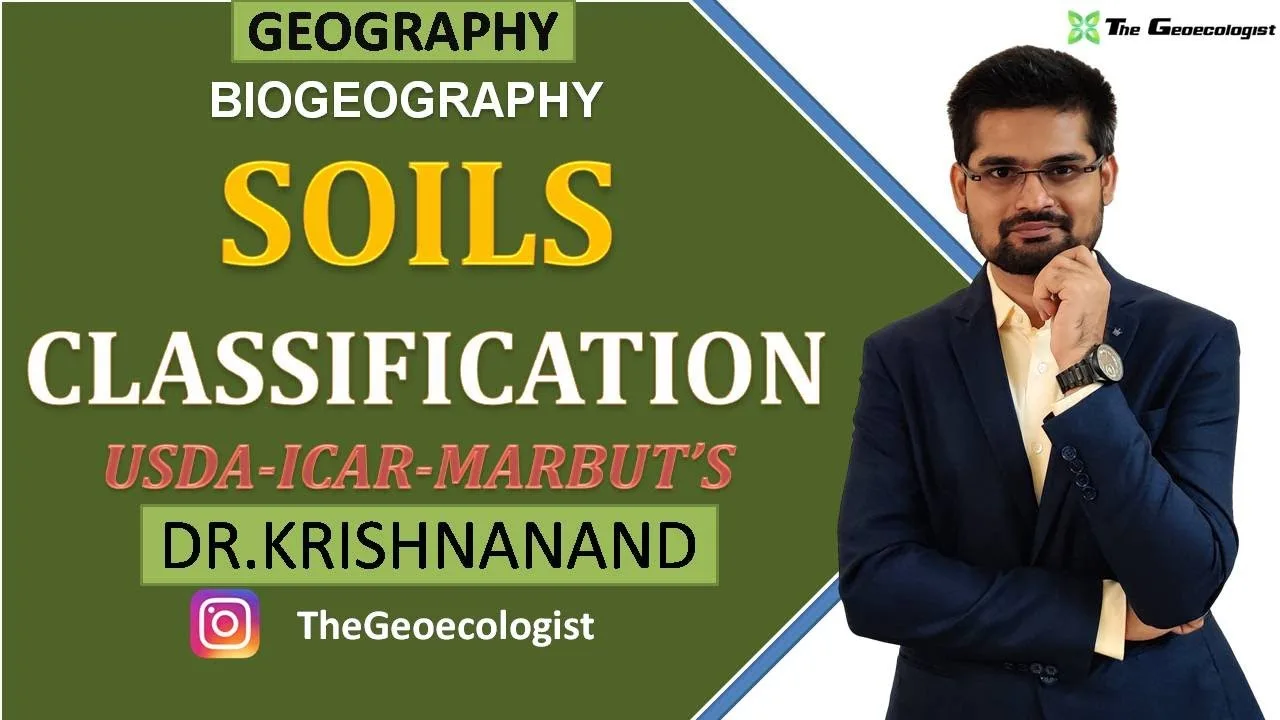
Table of Contents
- soil classification systems scintillate with detail and practicality
- USDA Soil Taxonomy: The Global Standard
- ICAR Soil Classification: India’s Soil Blueprint
- Genetic Soil Classification: Process‑Centric Perspective
- Marbut’s Classification: Linking Soils to Climate Zones
- Practical Applications of Soil Classification Systems
- Conclusion: Why Understanding Soil Classification Systems Matters
soil classification systems are essential tools that allow scientists, farmers, and policymakers to understand and manage the Earth’s diverse soils. By grouping soils according to characteristics such as texture, structure, chemistry, and formation history, these systems provide a common language for soil research and land‑use planning worldwide. In this comprehensive guide, we explore the most deposited soil classification systems—USDA Soil Taxonomy, ICAR Classification, Genetic Classification, and Marbut’s Classification—highlighting their criteria, key orders or types, and practical applications.
- USDA Soil Taxonomy divides soils into 12 orders based on diagnostic horizons and temperature regimes.
- ICAR Classification tailors soil groups to the varied Indian landscape, focusing on fertility and management.
- Genetic Classification emphasizes the processes of soil formation and parent material.
- Marbut’s Classification links soils to climate and vegetation zones, drawing from Russian pedology.
- Understanding these soil classification systems enhances agricultural productivity and environmental stewardship.
soil classification systems scintillate with detail and practicality
USDA Soil Taxonomy: The Global Standard
USDA Soil Taxonomy, developed in the United States, has become a global reference for soil science. soil classification systems categorizes soils into 12 primary orders based on a set of diagnostic horizons, temperature regimes, and other physical and chemical attributes. The system’s hierarchical structure—order, suborder, great group, subgroup, family, and series—enables precise descriptions of soils across the planet.
Key orders in USDA Soil Taxonomy include:
- Entisols – young, undeveloped soils with minimal horizon development.
- Inceptisols – slightly developed soils showing early horizon differentiation.
- Aridisols – desert soils with low organic matter and high evaporation rates.
- Mollisols – fertile grassland soils rich in surface organic matter.
- Alfisols – moderately leached, fertile forest soils with a subsurface accumulation of clay.
- Ultisols – highly leached, acidic soils typical of tropical regions.
- Oxisols – old, highly weathered tropical soils with low fertility.
- Vertisols – clay‑rich soils that shrink and swell with moisture changes.
- Histosols – organic soils such as peat and muck, important for carbon storage.
- Andisols – volcanic ash soils, often highly fertile due to mineral content.
- Gelisols – permafrost‑affected soils found in polar regions.
- Spodosols – sandy, acidic forest soils characterized by a sub‑soil layer of iron‑rich humus.
To learn more, read the USDA Soil Taxonomy page on Wikipedia.
ICAR Soil Classification: India’s Soil Blueprint
For the subcontinent, the Indian Council of Agricultural Research (ICAR) has devised a classification system that reflects India’s diverse climate, geology, and agricultural needs. ICAR groups soils into eight major categories, focusing on texture, structure, and svěh fertility.
- Alluvial Soils – found in river basins, these are highly fertile and support intensive agriculture.
- Black Soils (Regur) – high clay content and excellent moisture retention, ideal for cotton.
- Red & Yellow Soils – prevalent in the Deccan Plateau, moderately fertile and often used for millets.
- Laterite Soils – highly leached tropical soils rich in iron and aluminium.
- Arid & Desert Soils – sandy, low organic matter, suited for drought‑resistant crops.
- Saline & Alkaline Soils – high salt content, requiring careful management.
- Peaty & Marshy Soils – rich in organic matter, important for peatland ecosystems.
- Forest & Mountain Soils – found in hilly regions, often shallow and acidic.
For a deeper dive, visit the ICAR Wikipedia page.
Genetic Soil Classification: Process‑Centric Perspective
Unlike classification systems that rely primarily on observable traits, genetic soil classification organizes soils according to the processes that formed them. This approach divides soils into zones based on climatic, vegetative, and physiographic influences:
- Zonal Soils – mature soils shaped by consistent climate and vegetation, typically exhibiting well‑developed horizons.
- Intrazonal Soils – soils that show local variations due to factors like waterlogging, erosion, or human activity.
- Azonal Soils – young or recently disturbed soils lacking clear horizonation, often found in riverbeds or recently mined areas.
Marbut’s Classification: Linking Soils to Climate Zones
Developed by American soil scientist Curtis Fletcher Marbut in the early 20th century, this system-commerce was heavily influenced by Russian pedologist Vladimir Dokuchaev’s work. Marbut’s classification connects soils to specific climate and vegetation zones, providing a framework that is still used in some parts of the world. Key categories include:
- Pedalfers – humid, Al‑ and Fe‑rich soils found in temperate regions.
- Pedocals – arid, Ca‑rich soils Grischun found in semi‑arid climates.
Learn more about Curtis Fletcher Marbut and his contributions to soil science.
Practical Applications of Soil Classification Systems
Soil classification systems are indispensable across multiple sectors:
- Agriculture: Farmers use the classification to select suitable crops, apply fertilizers, and design irrigation.
- Land‑use Planning: Urban planners rely on soil maps to avoid building on highly expansive or unstable soils.
- Environmental Management: Conservationists monitor soil health and use classification to assess erosion risk.
- Education & Research: Soil scientists and students reference these systems for field studies and laboratory analyses.
Conclusion: Why Understanding Soil Classification Systems Matters
In sum, soil classification systems—whether the globally accepted USDA taxonomy, the regionally focused ICAR framework, the process‑based genetic approach, or Marbut’s climate‑linked model—provide a structured way to interpret the planet’s soil diversity. By mastering these systems, researchers, farmers, and policymakers can make informed decisions that promote food security, sustainable land use, and environmental resilience. Whether you’re a soil scientist, a farmer, or a geography enthusiast, these systems form the backbone of effective soil stewardship.
Frequently Asked Questions
USDA Soil Taxonomy is a global framework based on diagnostic horizons and temperature regimes, while ICAR Classification is tailored to India’s diverse climates and focuses on texture, structure, and fertility.
Genetic classification groups soils by the processes that formed them—climate, vegetation, and local conditions—rather than purely observable physical traits.
Marbut’s system links soils to specific climate and vegetation zones, offering insights into how environmental factors shape soil characteristics; it remains useful for regional studies and historical research.