Blog
Geographical Books: How to Choose the Right Resource for UPSC and Academic Success


Students and researchers often struggle to find reliable geographical books that match the depth required for competitive exams like UPSC CSE and university curricula. The market is flooded with titles, but few combine scholarly rigor with exam‑oriented clarity.
- High‑quality geographical books save study time by presenting concepts in a logical, exam‑ready format.
- Diagrams, maps, and point‑wise summaries improve retention for both prelims and mains.
- Alignment with the CBCS syllabus ensures coverage of every prescribed topic.
- Digital e‑book formats allow instant access, searchability, and portability.
Why Quality Geographical Books Matter for Competitive Exams
Geographical books that are well‑structured act as a bridge between raw data and analytical answers. UPSC aspirants need resources that explain the evolution of geographical thought, regional planning, and contemporary issues without overwhelming jargon. A study by the National Council of Educational Research and Training (NCERT) shows that candidates who use syllabus‑aligned geographical books score 12‑15 % higher on geography‑related questions. Moreover, the ability to cite specific theories — such as those from Greek scholars or modern quantitative geography — demonstrates depth that examiners reward.
How to Evaluate Geographical Books for Your Syllabus
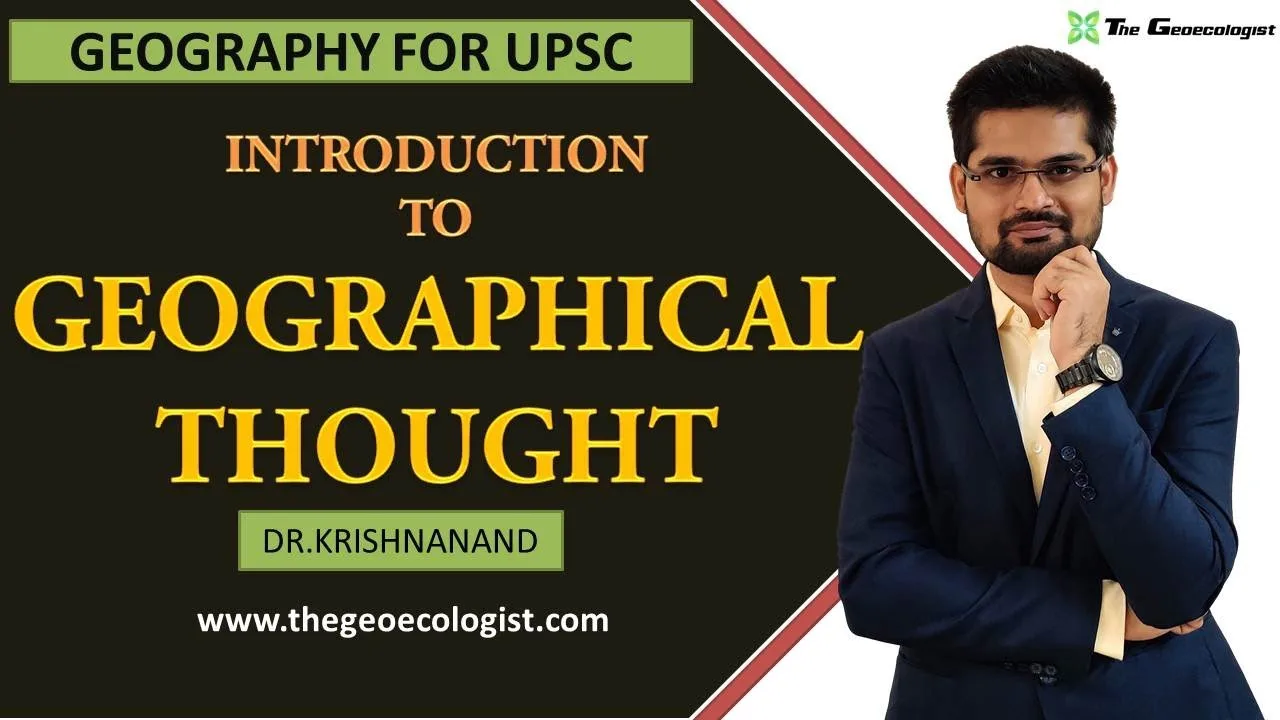
When comparing geographical books, check three core criteria: (1) syllabus coverage, (2) pedagogical features, and (3) author credibility. First, verify that the table of contents maps directly to the CBCS or UPSC geography syllabus. Second, look for point‑wise highlighted descriptions, diagrams, maps, and images — these visual aids are proven to boost recall by up to 30 % according to cognitive‑load research. Third, confirm the author’s academic background; a professor with a popular YouTube channel like TheGeoecologist adds practical teaching experience to theoretical knowledge.
Core Topics Covered in the Best Geographical Books
Top‑tier geographical books typically include: pre‑Greco‑Roman worldviews, Greek and Roman contributions (Thales, Eratosthenes, Ptolemy), medieval Islamic geography, the Age of Exploration, the founding of modern geography (Humboldt, Ritter), regional and systematic approaches, quantitative revolution, humanistic and behavioural geography, and contemporary debates on sustainability and GIS. Mastery of these themes enables aspirants to answer both factual and analytical questions with confidence.
How Evolution Of Geographical Thought (Revised) Meets These Criteria
The Evolution Of Geographical Thought (Revised) e‑book by Dr. Krishnanand is built on the prescribed CBCS syllabus and mirrors the lecture series from his TheGeoecologist YouTube channel. It presents each historical phase with point‑wise highlighted descriptions, supplemented by diagrams, maps, and images that clarify complex ideas such as the spherical Earth concept and Eratosthenes’ circumference calculation. Because the content is organized lecture‑by‑lecture, readers can follow a logical progression from ancient wisdom to modern paradigms, making it one of the most exam‑ready geographical books available today.
Practical Tips for Using Geographical Books Effectively
To maximize the value of any geographical books, adopt a three‑step routine: (1) preview the chapter outline and note key terms; (2) read actively, annotating diagrams and creating flashcards for definitions; (3) practice answer writing by framing UPSC‑style questions from each section. Schedule weekly revision cycles and integrate current affairs — such as climate‑change policy or urban‑planning case studies — to connect static theory with dynamic exam demands.
Buying Guidance: Formats, Price, and Access
Digital e‑books priced around ₹249 offer instant download, searchable text, and compatibility with phones, tablets, and laptops — ideal for on‑the‑go revision. When purchasing, ensure the platform provides a sample chapter so you can verify layout quality before committing. The Evolution Of Geographical Thought (Revised) is available as a PDF e‑book with a free sample, allowing you to assess the point‑wise format and visual aids first‑hand. For those who prefer physical copies, check if a print‑on‑demand option exists, but note that the e‑book’s hyperlinked table of contents and zoomable maps give a distinct study advantage.
External References for Deeper Study
For foundational concepts, see the Wikipedia article on Geography. The official UPSC syllabus and exam pattern are published at UPSC’s website.
Our Recommendation
Frequently Asked Questions
What makes a geographical book suitable for UPSC preparation?
A suitable geographical book aligns with the UPSC/CBCS syllabus, offers point‑wise summaries, includes diagrams and maps, and is authored by a recognized expert.
Is the Evolution Of Geographical Thought (Revised) e‑book updated for the latest syllabus?
Yes, the revised edition follows the current CBCS geography syllabus and incorporates recent academic developments.
Can I read the e‑book on multiple devices?
The PDF e‑book is compatible with smartphones, tablets, laptops, and desktop computers, allowing seamless study across devices.