Blog
Rostow Stages Economic Growth: Your Comprehensive Guide to Mastering the Model

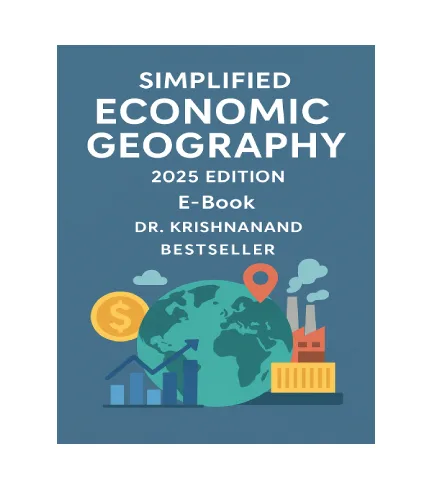
Rostow Stages Economic Growth is a cornerstone concept for millions of UPSC CSE aspirants, undergraduate geography students, and anyone trying to understand how economies evolve over time. The model, introduced by Walt W. Rostow in the 1960s, provides a five‑stage framework—Traditional Society, Preconditions for Take‑off, Take‑off, Drive to Maturity, and High Mass Consumption—that has become a staple in economic geography curricula worldwide. This article unpacks the complexities of Rostow Stages Economic Growth, offers a systematic way to evaluate study resources, and highlights why Simplified Economic Geography (2025 Edition) by Dr. Krishnanand is the most effective companion for mastering this topic.
- Rostow Stages Economic Growth are explained with clear diagrams and real‑world examples.
- Learn how to evaluate economic geography books based on syllabus coverage, visual aids, and exam relevance.
- Discover why Dr. Krishnanand’s e‑book simplifies Rostow Stages Economic Growth for quick revision.
- Get practical tips for using the e‑book in your daily study routine and on exam day.
- Compare the Rostow model with other development theories using authoritative external sources.
Rostow Stages Economic Growth: Understanding the Classic Five‑Stage Model
The Rostow Stages Economic Growth framework is more than a historical timeline; it is a diagnostic tool that helps policymakers and students assess where an economy stands in its development journey. Stage 1, Traditional Society, emphasizes agrarian economies, limited technological diffusion, and static production methods. Stage 2, Preconditions for Take‑off, introduces infrastructure, education, and the seeds of industrial activity. In Stage 3, Take‑off, rapid growth emerges, driven by a few key industries and increased investment. Stage 4, Drive to Maturity, reflects diversification, technological advancement, and rising consumer demand. Finally, Stage 5, High Mass Consumption, showcases widespread affluence and service‑based economies.
Dr. Krishnanand’s Simplified Economic Geography (2025 Edition) breaks down each Rostow stage with point‑wise descriptions, illustrative maps, and concise tables. The book’s visual approach makes it easier to memorize the sequence and apply the concepts to current economic scenarios, a critical advantage for UPSC aspirants who must answer questions linking Rostow Stages Economic Growth to contemporary development issues.
How to Evaluate Economic Geography Resources for Mastering Rostow Stages Economic Growth
When hunting for the best study material, consider these criteria:
- Syllabus Alignment: Ensure the resource covers the CBCS syllabus in geography, especially the sections on economic geography.
- Clarity of Diagrams: Look for high‑quality maps and flowcharts that illustrate Rostow Stages Economic Growth visually.
- Exam‑oriented Content: Choose books that highlight key points, bullet‑points, and practice questions.
- Author Credibility: Dr. Krishnanand is a recognized expert in economic geography, making his work a reliable source.
By applying this evaluation framework, students can quickly identify that Simplified Economic Geography (2025 Edition) meets all the benchmarks. Its point‑wise highlighted descriptions, complemented by diagrams, maps, and images, make the Rostow Stages Economic Growth model both comprehensive and engaging.
Why Simplified Economic Geography (2025 Edition) by Dr. Krishnanand Fits Your Needs
First, the book is explicitly designed for the prescribed CBCS syllabus, ensuring that every Rostow stage is covered in depth. Second, the author’s teaching experience translates complex theories into simple, digestible language. Third, the inclusion of diagrams, maps, and images directly addresses the visual learning preferences of modern students.
Within the pages dedicated to economic development, Dr. Krishnanand provides a dedicated subsection titled “Rostow Stages Economic Growth – A Detailed Walkthrough.” This subsection includes:
- A concise definition of each stage with real‑world country examples.
- Comparative tables that contrast the economic indicators across stages.
- Illustrative maps showing the geographical distribution of industries at each stage.
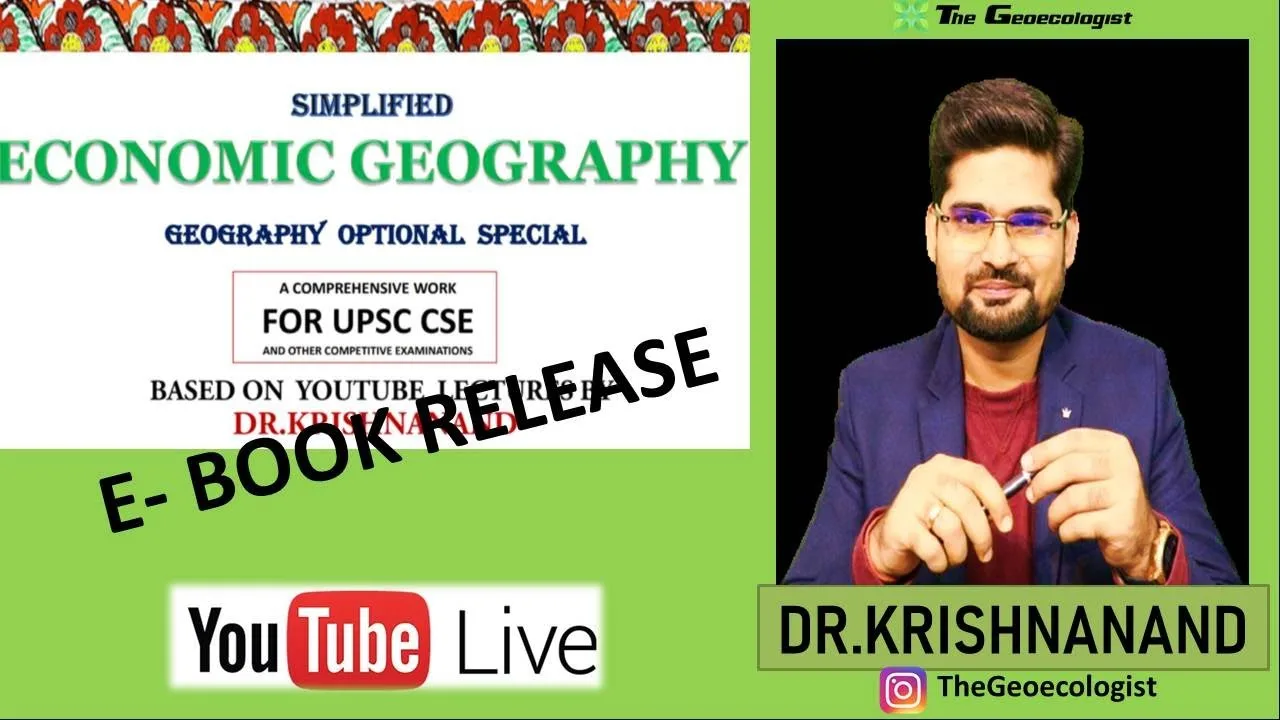
All of these elements are also available in the digital format of the e‑book, making it easy to access on laptops, tablets, or smartphones. The convenience of downloading the e‑book means you can study Rostow Stages Economic Growth anytime, anywhere, without the bulk of physical textbooks.
Practical Usage and Buying Guidance for Students and Professionals
If you are new to the concept, start with the introductory chapter of Simplified Economic Geography (2025 Edition). Follow the structured approach:
- Read the point‑wise description of each Rostow stage.
- Refer to the accompanying maps and diagrams for visual reinforcement.
- Use the summary tables to compare stages quickly during revision.
For exam preparation, the e‑book’s concise format allows you to skim through the Rostow Stages Economic Growth sections in under an hour, leaving ample time for practice questions and mock tests.
Purchasing is straightforward: visit the product page, add the e‑book to your cart, and complete the checkout. The price of 249 makes it an affordable investment for any serious aspirant. Since it is a digital product, you receive instant access and can begin mastering Rostow Stages Economic Growth immediately.
Comparison with Other Resources and External Authoritative Sources
While many textbooks cover Rostow Stages Economic Growth, they often lack the visual clarity and exam‑focused approach found in Dr. Krishnanand’s work. For a broader perspective, you can refer to the Wikipedia entry on Rostow’s stages of growth, which provides historical context and critiques of the model. Additionally, the World Bank’s research on economic development, available at World Bank Growth topic, offers contemporary data that complement the Rostow framework.
These external sources, when combined with the structured explanations in Simplified Economic Geography (2025 Edition), give you a well‑rounded understanding of how Rostow Stages Economic Growth fit into modern economic analysis.
Frequently Asked Questions
Q1: Is Simplified Economic Geography (2025 Edition) suitable for UPSC CSE preparation?
A1: Yes, the book aligns with the CBCS syllabus and includes detailed coverage of Rostow Stages Economic Growth, making it ideal for UPSC CSE aspirants.
Q2: Can I access the e‑book on mobile devices?
A2: Absolutely. The e‑book is delivered in a digital format compatible with laptops, tablets, and smartphones.
Q3: Does the book contain diagrams and maps for the Rostow model?
A3: Yes, the book features point‑wise highlighted descriptions along with diagrams, maps, and images that illustrate each Rostow stage.
Our Recommendation
📖 Part of our complete guide: Evolution of Geographical Thought: A Comprehensive Guide for UPSC Aspirants and Geography Enthusiasts
Frequently Asked Questions
Is Simplified Economic Geography (2025 Edition) suitable for UPSC CSE preparation?
Yes, the book aligns with the CBCS syllabus and includes detailed coverage of Rostow Stages Economic Growth, making it ideal for UPSC CSE aspirants.
Can I access the e‑book on mobile devices?
Absolutely. The e‑book is delivered in a digital format compatible with laptops, tablets, and smartphones.
Does the book contain diagrams and maps for the Rostow model?
Yes, the book features point‑wise highlighted descriptions along with diagrams, maps, and images that illustrate each Rostow stage.