Blog
Population of India- Class 9 NCERT Geography- Chapter 6

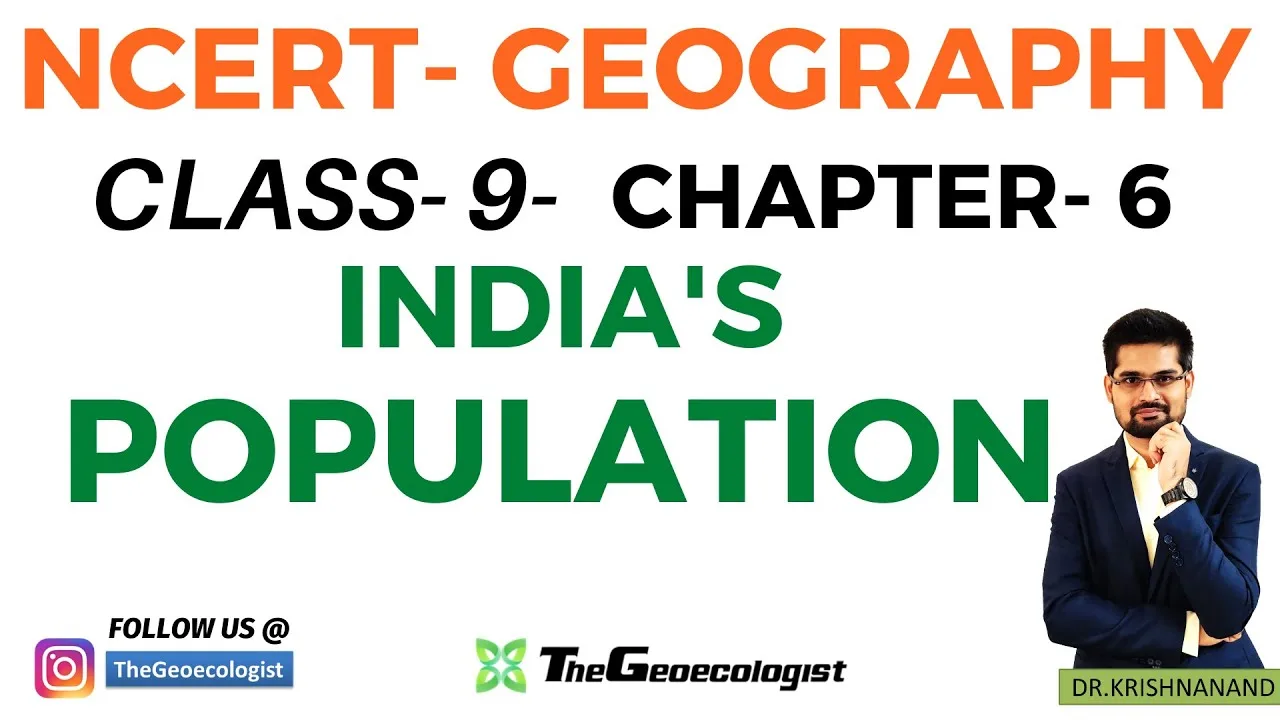
Population of India- Class 9 NCERT Geography- Chapter 6
Understanding India’s Population Dynamics: A Guide for Class 9 CBSE and UPSC Aspirants
India’s population is a fascinating and critical topic in the Class 9 NCERT Geography curriculum (Chapter 6). This article simplifies the chapter’s key concepts while highlighting how a Hindi-English mixed-language video resource can enhance your understanding. Whether you’re a CBSE student or a UPSC aspirant, this guide will help you master the topic effectively.
Key Concepts from NCERT Class 9 Geography: Population of India
The chapter delves into the following themes, essential for exams and foundational knowledge:
Population Size and Distribution:
- India is the second-most populous country, with over 1.4 billion people.
- Uneven distribution: States like Uttar Pradesh and Maharashtra have high populations, while northeastern states and deserts like Rajasthan are sparsely populated.
- Factors influencing distribution: Geography, climate, economic opportunities, and infrastructure.
Population Density:
- Calculated as persons per square kilometer. Bihar and West Bengal have high density due to fertile land, while Arunachal Pradesh has low density.
Population Growth:
- India’s population has surged due to a declining death rate (better healthcare) and a high birth rate.
- Phases of growth: Steady growth (1901–1951), rapid growth (post-1951), and recent slowdown (indicating demographic transition).
Age Composition:
- Categories: Children (0–14 years), working-age (15–59), and elderly (60+).
- A higher proportion of young people demands investments in education and healthcare.
Literacy Rate and Occupational Structure:
- Kerala leads in literacy; Bihar and Uttar Pradesh lag.
- Occupational shifts: Moving from agriculture (primary sector) to industries/services (secondary/tertiary sectors).
- National Population Policy (2002):
- Aims to improve healthcare, reduce infant mortality, and promote family planning.
How the Hindi-English Video Resource Enhances Learning
The supplementary video explaining this chapter in a mix of Hindi and English bridges language barriers, making complex terms accessible. For instance:
- Terms like जनसंख्या घनत्व (population density) or आयु संरचना (age structure) are explained in Hindi with English examples, catering to diverse learning preferences.
- Visual aids like maps and graphs in the video clarify population distribution trends.
- Real-world examples (e.g., comparing Kerala and Bihar’s literacy rates) are discussed bilingually, aiding retention.
Why It Works:
- Dual-language approach: Simplifies technical jargon for students more comfortable in Hindi.
- UPSC Relevance: Competitive exams often test demographic concepts; bilingual explanations strengthen conceptual clarity.
- Quick Revisions: The video’s concise format helps recap the chapter swiftly before exams.
Why This Matters for CBSE Class 9 and UPSC Exams
CBSE Exams:
- Expect questions on population trends, density calculations, and policy measures. The video’s diagrams, like India’s population distribution map, are crucial for map-based questions.
- UPSC Prelims & Mains:
- Demographic data, census insights, and policies like NPP 2002 are frequently asked. Understanding regional disparities (e.g., literacy rates) aids in writing analytical answers.
Pro Tip for Effective Preparation
- Combine NCERT with Video Lessons: Read the chapter first, then watch the video to reinforce concepts. Take notes in your preferred language.
- Practice MCQs: Use the video’s examples to test yourself on topics like calculating population density.
Boost Your Preparation with TheGeoecologist!
For in-depth lessons on geography and related subjects, explore our paid courses at https://thegeoecologist.com/. Stay updated via:
- Instagram: @thegeoecologist
- Email: krishna.geography@gmail.com
Whether you’re decoding population pyramids or demographic transitions, we’re here to guide your journey!
#class9geography #ncertgeography #ncertrevision #upscpreparation #populationofindia
Master the numbers, understand the people! 📚🌍
To Download E-Books & Study Material Visit The Shop Page