Blog
Geography Optional UPSC: Complete Guide to Geoecologist Online Courses for UGC NET & Civil Services


Table of Contents
- Why Choose Geography Optional UPSC for Civil Services?
- High Scoring Potential with Visual Answers
- Substantial Overlap with General Studies
- Conceptual Clarity on Global Issues
- Geoecologist: Redefining Geography Optional UPSC Preparation
- Comprehensive Syllabus Coverage for Paper I & II
- Expert Faculty with Proven Track Record
- Flexible Learning for Working Professionals & Students
- Resource-Rich Platform with Assessment Tools
- UGC NET Geography: Parallel Preparation Advantage
- Success Stories & Community Impact
- How to Enroll & Maximize Your Preparation
- Official Resources for Geography Optional UPSC Aspirants
- Strategic Tips for Geography Optional UPSC Success
- 1. Master Diagram Drawing
- 2. Integrate Current Affairs Weekly
- 3. Answer Writing from Day One
- 4. Map Practice Routine
- 5. Revision Cycles
- Frequently Asked Questions
- Is Geography Optional UPSC suitable for non-geography background students?
- How many months are needed to complete Geography Optional UPSC syllabus?
- Can I prepare for UGC NET Geography simultaneously with Geography Optional UPSC?
Choosing the right Geography Optional UPSC preparation strategy can make the difference between an average score and a top rank. With a vast syllabus spanning physical geography, human geography, and Indian geography, aspirants need structured guidance, expert mentorship, and updated resources. Geoecologist has emerged as a trusted platform offering specialized online courses tailored for Geography Optional UPSC Paper I & II as well as UGC NET Geography, helping thousands of aspirants streamline their preparation and maximize scores.
- Geography Optional UPSC offers high scoring potential through diagram-based answers and case studies.
- Significant overlap with General Studies Papers I, III, and Essay reduces overall preparation burden.
- Geoecologist provides comprehensive syllabus coverage, expert faculty, flexible learning, and resource-rich materials.
- Personalized doubt resolution via WhatsApp and regular answer-writing practice boost confidence.
- Enrollment includes access to curated PDF notes, maps, previous years’ solved papers, and exclusive strategy webinars.
Why Choose Geography Optional UPSC for Civil Services?
The Geography Optional UPSC subject remains one of the most popular choices among civil services aspirants for several compelling reasons. As an interdisciplinary subject bridging physical and social sciences, it develops analytical thinking essential for administrators. According to UPSC annual reports, Geography consistently records higher success rates compared to many other optional subjects.
High Scoring Potential with Visual Answers
Unlike purely theoretical subjects, Geography Optional UPSC allows candidates to incorporate maps, diagrams, flowcharts, and case studies in answers. This visual approach not only fetches more marks but also makes answers stand out. Toppers like Ira Singhal (AIR 1, 2014) and Saumya Pandey (AIR 4, 2016) leveraged Geography’s diagrammatic nature to score 300+ marks in optional papers.
Substantial Overlap with General Studies
Approximately 30-40% of Geography Optional UPSC syllabus overlaps with General Studies Paper I (Indian Heritage, World Geography), Paper III (Environment, Disaster Management, Agriculture), and Essay paper. This synergy means every hour spent on optional preparation simultaneously strengthens GS preparation. Topics like climate change, geopolitics, geospatial technologies, and regional planning appear in both optional and GS papers.
Conceptual Clarity on Global Issues
Geography provides a framework to understand contemporary challenges — from water disputes and urbanization to geopolitical conflicts and sustainable development. This conceptual clarity enhances answer quality across all papers and interviews. The subject’s relevance to policy-making makes it particularly valuable for future administrators.
Geoecologist: Redefining Geography Optional UPSC Preparation
Founded by experienced educators with a track record of guiding top rankers, Geoecologist addresses the core challenges of Geography Optional UPSC preparation: vast syllabus, dynamic content requirements, and answer-writing skills. Their courses are designed for both fresh aspirants and repeaters seeking score improvement.
Comprehensive Syllabus Coverage for Paper I & II
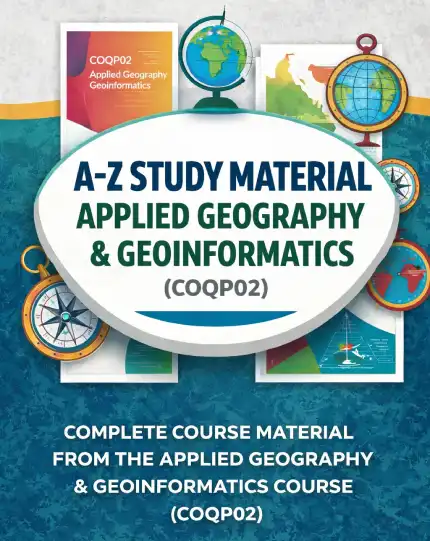
Geoecologist’s Geography Optional UPSC course covers the entire syllabus through detailed modules:
- Paper I (Physical & Human Geography): Geomorphology, Climatology, Oceanography, Biogeography, Environmental Geography, Perspectives in Human Geography, Economic Geography, Population & Settlement Geography, Regional Planning.
- Paper II (Indian Geography): Physical Setting, Resources, Agriculture, Industry, Transport, Communication, Trade, Cultural Setting, Settlements, Regional Development, Political Aspects, Contemporary Issues.
Content is updated quarterly to integrate current trends like the IPCC Sixth Assessment Report findings, India’s evolving geopolitical stance, advancements in GIS/remote sensing, and recent government schemes (Jal Jeevan Mission, PM Gati Shakti). This ensures aspirants tackle dynamic questions confidently.
Expert Faculty with Proven Track Record
The faculty team comprises educators who have mentored numerous Geography Optional UPSC toppers. Their pedagogical approach emphasizes conceptual understanding over rote memorization. Personalized doubt resolution is available via WhatsApp (9311052969), ensuring no query remains unanswered. Regular live sessions allow real-time interaction, mimicking classroom engagement.
Flexible Learning for Working Professionals & Students
Recognizing diverse aspirant profiles, Geoecologist offers:
- Pre-recorded lectures accessible 24/7 for self-paced learning
- Live interactive sessions for concept clarification and current affairs integration
- Downloadable study materials for offline access
- Mobile-friendly platform compatible with all devices
This flexibility allows working professionals and college students to balance Geography Optional UPSC preparation with other commitments without compromising quality.
Resource-Rich Platform with Assessment Tools
Beyond lectures, the platform provides:
- Curated PDF notes organized topic-wise for quick revision
- High-resolution maps and diagrams ready for answer incorporation
- Previous years’ solved papers (2013-2024) with model answers
- Monthly current affairs compilations specific to Geography
- Regular mock tests simulating UPSC pattern with detailed evaluation
- Answer-writing practice sessions with personalized feedback
Exclusive webinars cover exam strategy, time management, answer structuring, and exam psychology — often overlooked aspects that significantly impact final scores.
UGC NET Geography: Parallel Preparation Advantage
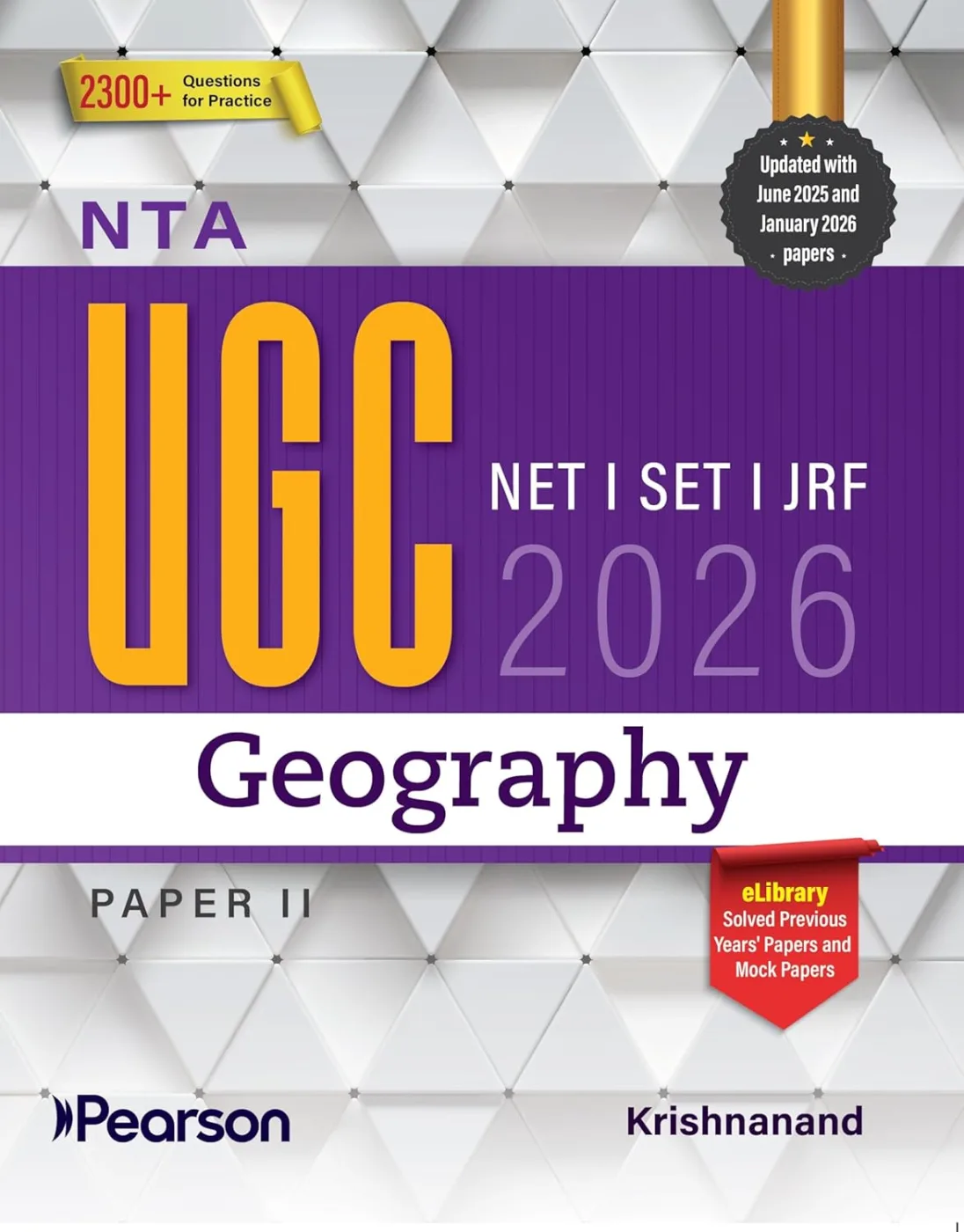
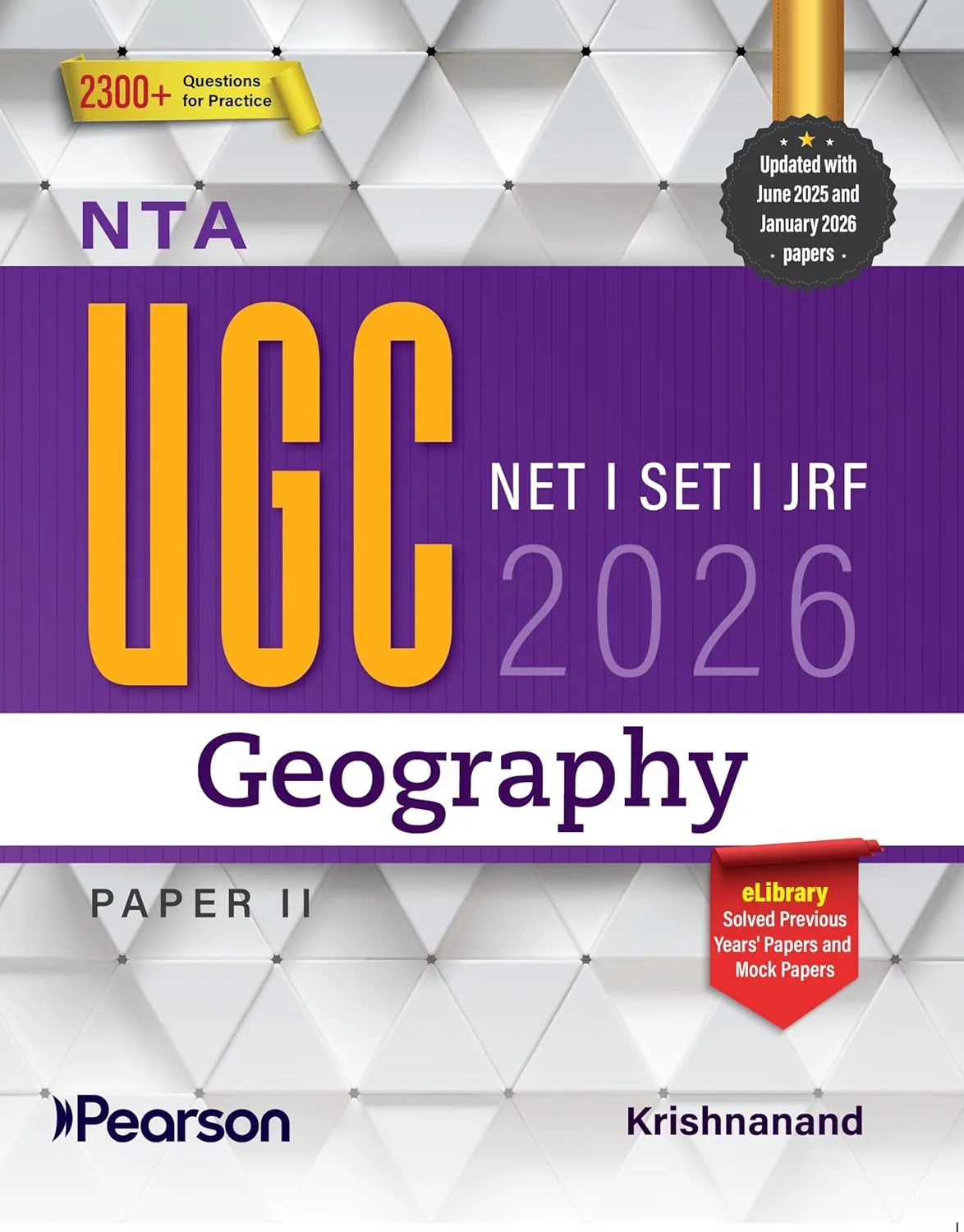
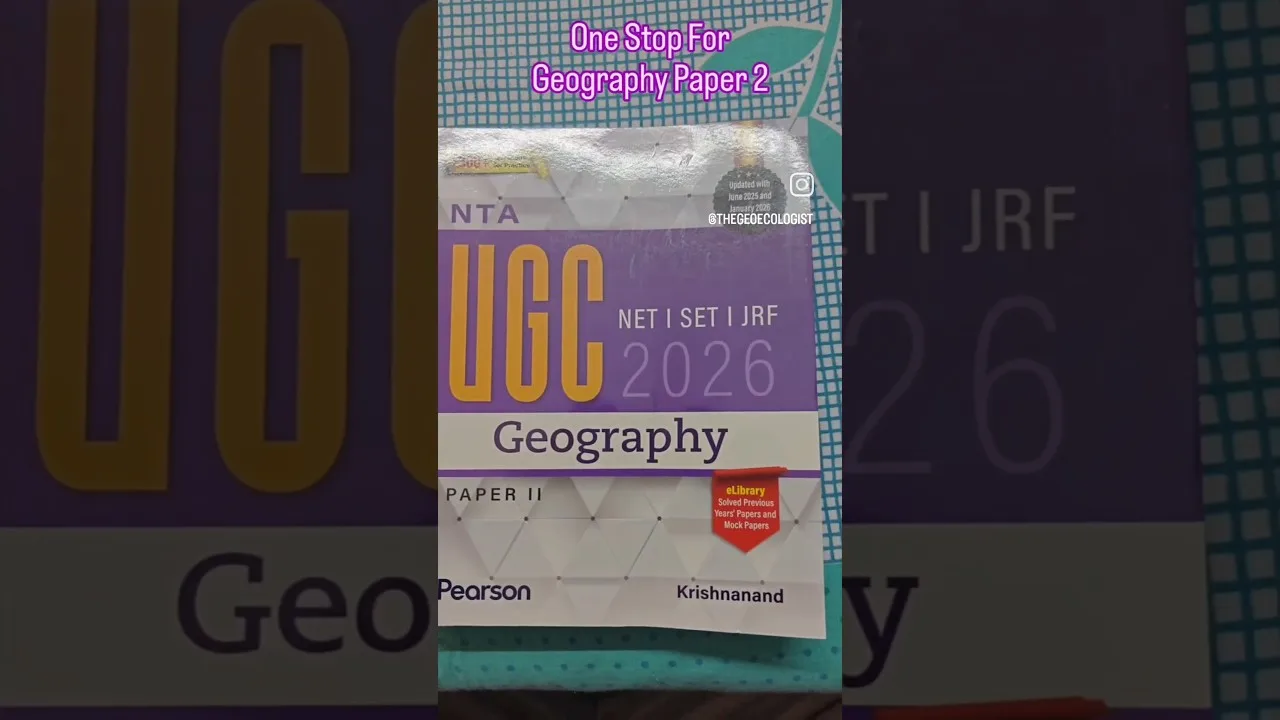
Geoecologist’s UGC NET Geography course runs parallel to the Geography Optional UPSC program, allowing aspirants targeting both exams to prepare efficiently. The UGC NET syllabus (Paper II) shares 70-80% content with UPSC Geography Optional, particularly in physical geography, human geography, and geographical thought. Geoecologist’s integrated approach includes:
- Common core modules for overlapping topics
- Specialized modules for UGC NET-specific areas (Research Methodology, Teaching Aptitude)
- NET-pattern mock tests and previous years’ papers
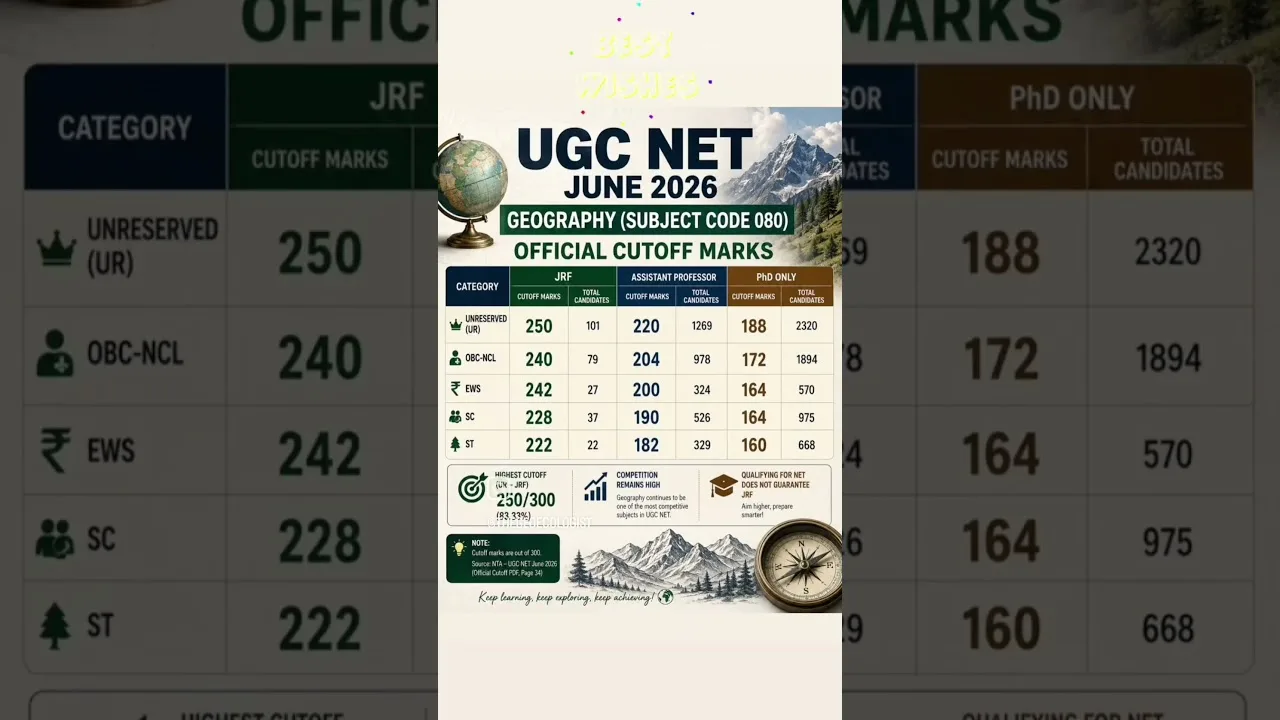
- Guidance on qualifying JRF for PhD opportunities
This dual-preparation strategy has helped many aspirants clear both exams in the same attempt, maximizing career options.
Success Stories & Community Impact
Since its inception, Geoecologist has guided over 5,000 aspirants, with numerous selections in UPSC CSE (including top 100 ranks) and UGC NET JRF. The platform’s community features foster peer learning:
- Active Telegram groups for daily discussions and doubt sharing
- Instagram (@thegeoecologist) for daily quizzes, map practice, and motivation
- YouTube channel (THEGEOECOLOGIST) offering free lectures and strategy videos
- Regular topper talk sessions sharing preparation journeys
This ecosystem creates accountability and motivation — critical for the long Geography Optional UPSC preparation journey.
How to Enroll & Maximize Your Preparation
Getting started with Geoecologist’s Geography Optional UPSC course is straightforward:
- Visit www.thegeoecologist.com to explore course details, faculty profiles, and sample lectures
- Choose between UPSC-only, UGC NET-only, or integrated combo packages
- Enroll online with secure payment options (EMI available)
- Gain immediate access to all pre-recorded content and upcoming live schedule
- Join WhatsApp support group (9311052969) for instant query resolution
For queries, contact via WhatsApp at 9311052969 or email at krishna.geography@gmail.com. Limited-time discounts and early-bird perks are periodically offered — check the website for current promotions.
Official Resources for Geography Optional UPSC Aspirants
Supplement your Geoecologist preparation with official resources:
- UPSC official syllabus and previous papers: upsc.gov.in
- UGC NET official information: ugcnet.nta.ac.in
- Understanding the Civil Services Examination structure: Union Public Service Commission – Wikipedia
These authoritative sources provide the most accurate examination patterns, eligibility criteria, and official notifications directly from the conducting bodies.
Strategic Tips for Geography Optional UPSC Success
1. Master Diagram Drawing
Practice drawing key diagrams (pressure belts, ocean currents, soil profiles, population pyramids) until you can reproduce them in 2-3 minutes. Geoecologist provides diagram templates and video tutorials for this.
2. Integrate Current Affairs Weekly
Dedicate 2 hours weekly to link current events to Geography Optional UPSC topics. For example, connect El Niño updates to climatology, new infrastructure projects to regional planning, and international treaties to political geography.
3. Answer Writing from Day One
Don’t wait for syllabus completion. Start writing 2-3 answers weekly using Geoecologist’s test series. Focus on structure: introduction with definition/data, body with subheadings and diagrams, conclusion with way forward.
4. Map Practice Routine
Spend 15 minutes daily on map marking — Indian rivers, passes, tribes, minerals, crops, and world physiographic features. This builds muscle memory for Paper II and map-based GS questions.
5. Revision Cycles
Plan 3 revision cycles before Prelims and 2 before Mains. Use Geoecologist’s concise notes and mind maps for efficient last-minute revision.
Frequently Asked Questions
Is Geography Optional UPSC suitable for non-geography background students?
Absolutely. Geography Optional UPSC is popular precisely because it’s scientific, logical, and doesn’t require prior specialization. Geoecologist’s foundation modules build concepts from basics, making it accessible to engineers, doctors, humanities graduates, and working professionals alike.
How many months are needed to complete Geography Optional UPSC syllabus?
With consistent 3-4 hours daily study, 5-6 months suffice for first reading. Geoecologist’s structured timeline breaks the syllabus into weekly targets. Add 2-3 months for revision, answer writing, and mock tests before Mains.
Can I prepare for UGC NET Geography simultaneously with Geography Optional UPSC?
Yes, and it’s highly recommended. 70-80% syllabus overlaps. Geoecologist’s integrated course is designed for this dual preparation, with separate modules for NET-specific topics like Research Methodology and Teaching Aptitude.
Geography Optional UPSC remains a strategic choice for aspirants seeking a high-scoring, GS-complementary optional subject. With Geoecologist’s expert-led courses, comprehensive resources, and supportive community, you gain a structured pathway to master the syllabus, develop answer-writing excellence, and approach the examination with confidence. Your dream rank is achievable with the right guidance — enroll today at www.thegeoecologist.com and transform your preparation journey.
Frequently Asked Questions
Absolutely. Geography Optional UPSC is popular precisely because it's scientific, logical, and doesn't require prior specialization. Geoecologist's foundation modules build concepts from basics, making it accessible to engineers, doctors, humanities graduates, and working professionals alike.
With consistent 3-4 hours daily study, 5-6 months suffice for first reading. Geoecologist's structured timeline breaks the syllabus into weekly targets. Add 2-3 months for revision, answer writing, and mock tests before Mains.
Yes, and it's highly recommended. 70-80% syllabus overlaps. Geoecologist's integrated course is designed for this dual preparation, with separate modules for NET-specific topics like Research Methodology and Teaching Aptitude.