Blog
Best Geography Book for UGC NET JRF: Ultimate Guide

Table of Contents
Mastering the Exam: Finding the Best Geography Book for UGC NET JRF
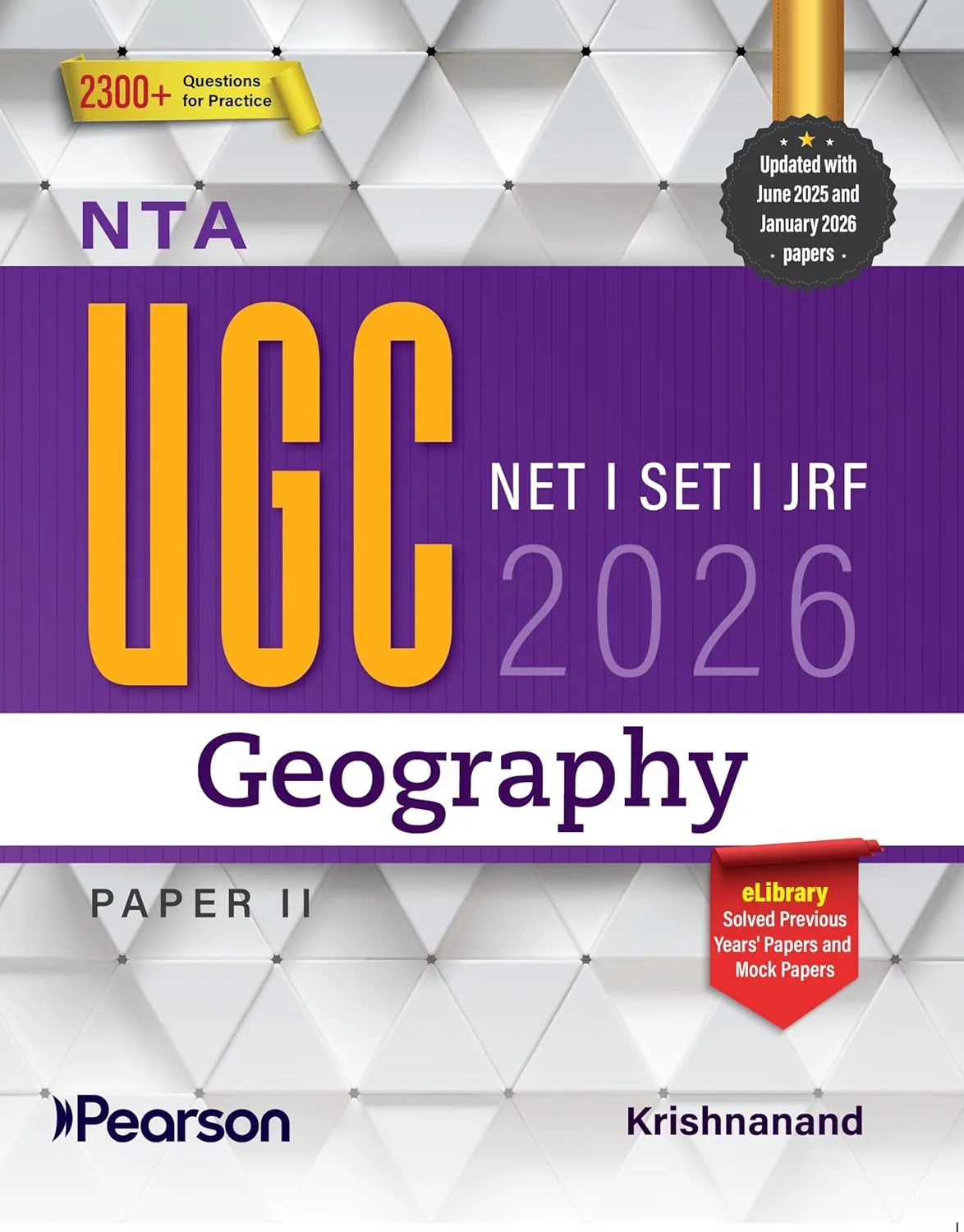
Finding the best geography book for UGC NET JRF Paper 2 is the most critical step for any serious aspirant aiming to secure a Junior Research Fellowship. As the competition intensifies every year, relying on a single source is no longer sufficient to crack the exam. To succeed, you must build a robust preparation strategy centered around standard textbooks, syllabus-aligned study material, and an intensive focus on Previous Year Questions (PYQs). According to experts like Dr. Krishnanand, the key to success lies in combining deep conceptual clarity with consistent practice of past papers.
- Diversify Your Sources: Never rely on a single textbook; combine standard texts with specialized NET guides.
- Prioritize PYQs: Previous Year Questions are the compass that guides your preparation.
- Conceptual Clarity: Focus on understanding ‘why’ and ‘how’ rather than rote memorization.
- Selective Reading: For JRF aspirants, knowing what NOT to read is as important as knowing what to study.
The Importance of Choosing the Best Geography Book for Paper 2
The UGC NET Geography syllabus is vast, covering everything from geomorphology and climatology to human geography and regional planning. Therefore, selecting the best geography book requires a strategic approach. You cannot simply pick up any guide; you need resources that align specifically with the latest NTA (National Testing Agency) pattern. Many students make the mistake of studying general geography books meant for UPSC, which, while excellent, might not cover the specific niche topics required for the NET-JRF exam.
To excel, you must integrate three pillars of study: Standard Textbooks, Subject-Specific Guides, and PYQs. For instance, when studying physical geography, you might refer to Wikipedia to understand the historical evolution of geographical thought, but for exam-specific preparation, you need specialized materials. The best geography book for your needs will be one that bridges the gap between academic theory and exam-oriented application.
Top Recommended Books and Resources
When searching for the best geography book, students often look for a combination of the following categories:
1. Standard Textbooks for Conceptual Depth
For a strong foundation, textbooks by renowned authors are indispensable. These books provide the depth required to answer complex, statement-based questions. While these are not ‘exam guides,’ they are the foundation upon which your success is built. If you are struggling with human geography concepts, a comprehensive textbook is your best geography book for building long-term knowledge.
2. Specialized UGC NET Exam Guides
These are designed specifically for the UGC NET-JRF pattern. They often summarize complex theories into digestible points. However, a warning: do not use these as your primary source. Use them as a secondary tool to supplement your standard textbooks. The best geography book for quick revision is often a well-structured guide that highlights frequently asked topics.
3. Previous Year Question (PYQ) Compilations
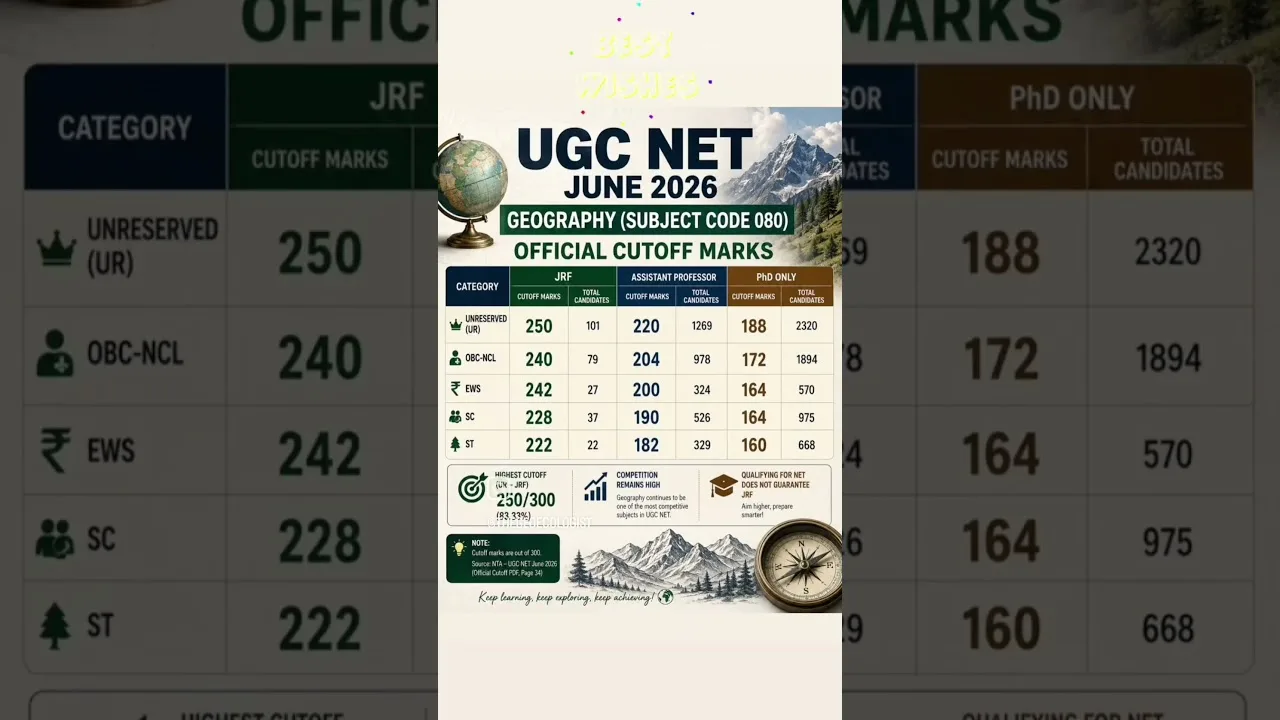
If you ask any topper what the best geography book is, they will likely point toward a compilation of the last 10-15 years of solved papers. PYQs help you understand the ‘language’ of the exam and the specific areas where the NTA frequently asks questions. This is essential for understanding the current UGC NET cutoff trends.
Strategic Preparation Tips for JRF Aspirants
Achieving a JRF requires more than just hard work; it requires precision. As Dr. Krishnanand emphasizes, JRF aspirants must read selectively and revise repeatedly. You don’t need to read every page of every book; you need to master the topics that appear most frequently in the exam. This is where your choice of the best geography book becomes vital. You need a resource that helps you identify these high-yield topics.
Here is a step-by-step strategy:
- Analyze the Syllabus: Before buying any book, print the official NTA syllabus.
- Build the Base: Use standard textbooks to understand core concepts like plate tectonics, climate change, and demographic transitions.
- Practice with PYQs: Once a topic is finished, immediately solve all related questions from previous years.
- Revision Cycles: Use short notes to revise the best geography book contents multiple times.
Common Mistakes to Avoid
A common error is ‘Resource Overload.’ Students often buy five different books for the same topic, leading to confusion and wasted time. Instead, pick the best geography book for a specific topic and stick to it. Consistency is more important than variety. Additionally, many students ignore the ‘Human Geography’ section, focusing only on ‘Physical Geography.’ To beat the high UGC NET cutoff, you must be balanced in your preparation across all modules.
Conclusion: Your Path to Success
In conclusion, there is no single magic book that can guarantee a JRF. The best geography book is actually a collection of the right materials used at the right time. By combining standard textbooks for depth, specialized guides for exam patterns, and PYQs for practice, you create an unbeatable study regime. Stay focused, stay disciplined, and let the previous years’ patterns guide your journey toward becoming a Junior Research Fellow.
Frequently Asked Questions
No, you should combine standard textbooks for conceptual depth with specialized exam guides and Previous Year Questions (PYQs).
Focus on conceptual clarity, read selectively, and use PYQs to understand the exam pattern and cutoff trends.
PYQs help you identify high-yield topics and understand the way questions are framed by the NTA, which is crucial for securing a JRF.