Blog
Geography Current Affairs: UPSC Prelims 2024 Guide

Table of Contents
- Mastering Geography Current Affairs for UPSC Prelims 2024
- The Evolving Landscape of Geography Current Affairs
- 1. Climate Change and Extreme Weather Phenomena
- 2. International Environmental Treaties and Biodiversity
- 3. Disaster Management: Challenges in an Unstable Terrain
- 4. Research and Geographic Discoveries
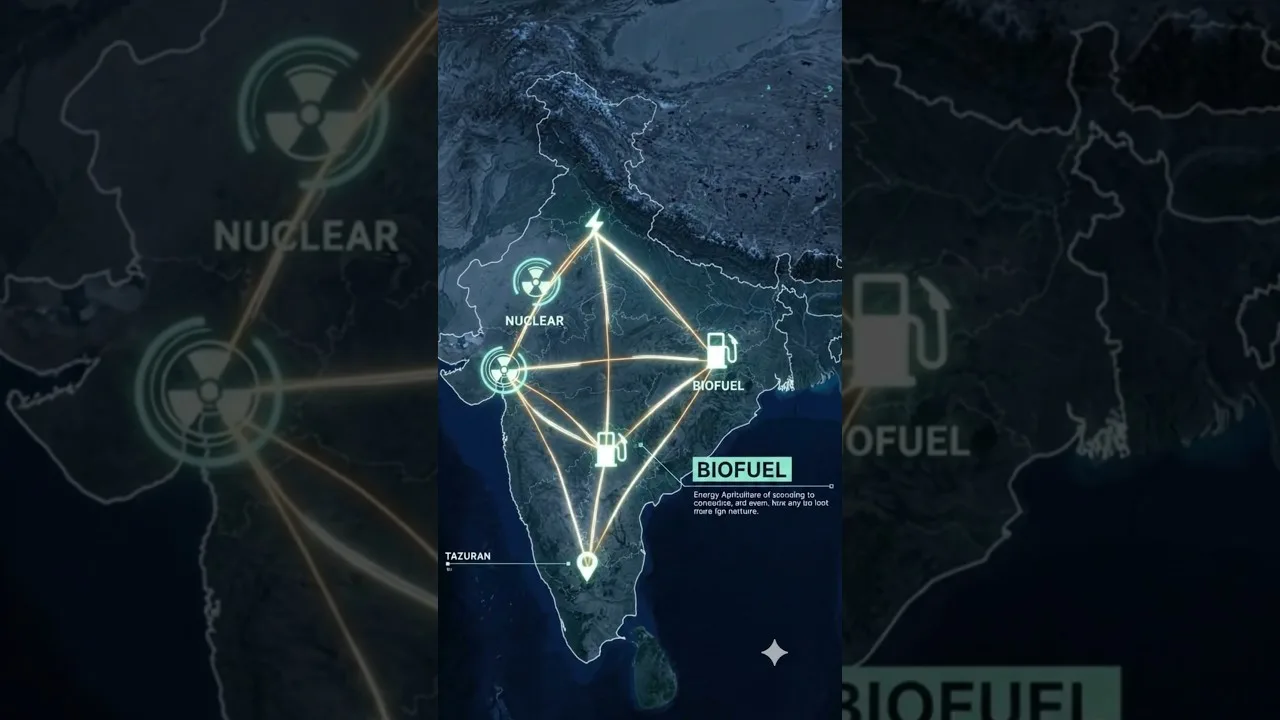
- 5. India's Strategic Shift to Green Energy
- Conclusion: How to Approach Geography for UPSC
Mastering Geography Current Affairs for UPSC Prelims 2024
Understanding Geography Current Affairs is indispensable for any serious aspirant preparing for the UPSC Civil Services Examination (CSE) Prelims 2024. As the examination pattern shifts toward more conceptual and application-based questions, staying updated with the latest geopolitical, environmental, and climatic shifts is no longer optional. This comprehensive guide, inspired by the expert insights of Dr. Krishnanand, breaks down the most critical themes required to excel in the upcoming examination.
- Climate Change Dynamics: Analysis of COP28 and global temperature trends.
- International Treaties: Deep dive into the High Seas Treaty and Biodiversity frameworks.
- Disaster Management: Case studies on Himalayan subsidence and cyclonic patterns.
- Green Energy Transition: India’s roadmap toward Net Zero and Hydrogen missions.
The Evolving Landscape of Geography Current Affairs
In recent years, the UPSC has increasingly integrated static geography with dynamic Geography Current Affairs. This means you cannot simply memorize maps; you must understand the ‘why’ behind the ‘where.’ For instance, a question might not just ask about a specific mountain range, but rather how recent glacial melting in that range affects the water security of the Indo-Gangetic plain. To master this, one must track international agreements, environmental disasters, and technological advancements in Earth sciences.
1. Climate Change and Extreme Weather Phenomena
The most significant driver of modern Geography Current Affairs is the escalating climate crisis. The year 2023 was officially recognized as the hottest year on record, creating a ripple effect across global ecosystems. This phenomenon is not just a matter of temperature but a complex interplay of atmospheric pressure, ocean currents, and feedback loops.
COP28 and Global Policy Shifts
The outcomes of the COP28 summit represent a turning point in international environmental law. Key discussions centered on the ‘loss and damage’ fund, designed to assist vulnerable nations facing the brunt of climate change. For UPSC aspirants, understanding the distinction between mitigation (reducing emissions) and adaptation (adjusting to changes) is vital. The discussions regarding the phase-down of fossil fuels also highlight the tension between economic development and ecological preservation.
India’s Proactive Climate Stance
India has emerged as a leader in climate action through initiatives like the National Action Plan on Climate Change (NAPCC). The government’s commitment to achieving Net Zero by 2070 and the ambitious National Green Hydrogen Mission are central themes in recent Geography Current Affairs. These policies are designed to decouple economic growth from carbon emissions, a core requirement for sustainable development.
2. International Environmental Treaties and Biodiversity
The protection of the planet’s biological heritage is a recurring theme in the UPSC syllabus. Recent Geography Current Affairs have focused heavily on maritime and terrestrial conservation.
The 30×30 Target and the Global Biodiversity Framework
The Kunming-Montreal Global Biodiversity Framework (GBF) aims to protect 30% of the world’s land and oceans by 2030. This ’30×30′ target is a cornerstone of modern conservation biology. Students must understand how these targets translate into domestic policies, such as the creation of new protected areas or community-based conservation models in India.
The High Seas Treaty (2023)
One of the most significant breakthroughs in Geography Current Affairs is the adoption of the High Seas Treaty. This international agreement provides a legal framework for the conservation and sustainable use of marine biological diversity in areas beyond national jurisdiction. As oceans cover over 70% of the Earth’s surface, the governance of these international waters is a critical topic for the Prelims exam.
3. Disaster Management: Challenges in an Unstable Terrain
Disaster management is no longer a standalone topic but is deeply intertwined with geography. Recent events in India have underscored the vulnerability of specific terrains to both natural and man-made triggers.
Himalayan Vulnerability: Land Subsidence and Tunnels
The 2023 Uttarakhand tunnel collapse serves as a grim reminder of the risks associated with rapid infrastructure development in ecologically fragile zones. Similarly, the land subsidence in Joshimath has highlighted the dangers of unplanned urbanisation in seismic regions. These events are quintessential examples of how human intervention disrupts the natural equilibrium of mountain ecosystems, a frequent subject in Geography Current Affairs.
Cyclonic Activity and Coastal Resilience
The intensification of cyclones, such as Cyclone Biparjoy, demonstrates the increasing frequency of extreme weather events due to warming sea surface temperatures. Understanding the formation of these cyclones, the role of the National Disaster Response Force (NDRF), and the Sendai Framework for Disaster Risk Reduction is essential for any UPSC candidate.
4. Research and Geographic Discoveries
Scientific advancements often drive the news cycle. Current Geography Current Affairs frequently touch upon satellite data and remote sensing results that provide a clearer picture of our changing world.
Glacial Retreat and Ocean Warming
Data from ISRO and other space agencies have confirmed accelerated glacial retreat in the Himalayas. This phenomenon directly impacts the perennial nature of rivers like the Ganga and Brahmaputra. Additionally, the phenomenon of coral bleaching in the Great Barrier Reef, driven by rising ocean temperatures, is a vital topic for understanding marine biodiversity loss.
5. India’s Strategic Shift to Green Energy
The transition from fossil fuels to renewable energy is perhaps the most transformative aspect of Geography Current Affairs in the current decade. India’s goal to reach 500 GW of non-fossil fuel capacity by 2030 is a massive undertaking involving solar, wind, and green hydrogen technologies.
Critical Minerals and Energy Security
The race for ‘critical minerals’ like lithium, cobalt, and rare earth elements has become a geopolitical necessity. These minerals are the backbone of the electric vehicle (EV) revolution and renewable energy storage. Understanding the geographic distribution of these minerals and the supply chain challenges they present is crucial for the UPSC CSE Prelims.
Conclusion: How to Approach Geography for UPSC
To succeed, one must synthesize static knowledge with the dynamic updates found in Geography Current Affairs. Relying on authoritative sources, studying maps alongside news events, and understanding the socio-economic implications of geographical changes will provide the edge needed to crack the Prelims. Keep a close eye on reports from the IPCC and UNEP to stay ahead of the curve.
Frequently Asked Questions
Extremely important. UPSC has shifted towards asking questions that link static geographical concepts with recent environmental and geopolitical events.
Focus on COP28 outcomes, India's Net Zero targets, the National Green Hydrogen Mission, and extreme weather events like cyclones and heatwaves.
It provides a legal framework for the conservation and sustainable use of marine biodiversity in international waters beyond national jurisdictions.