Blog
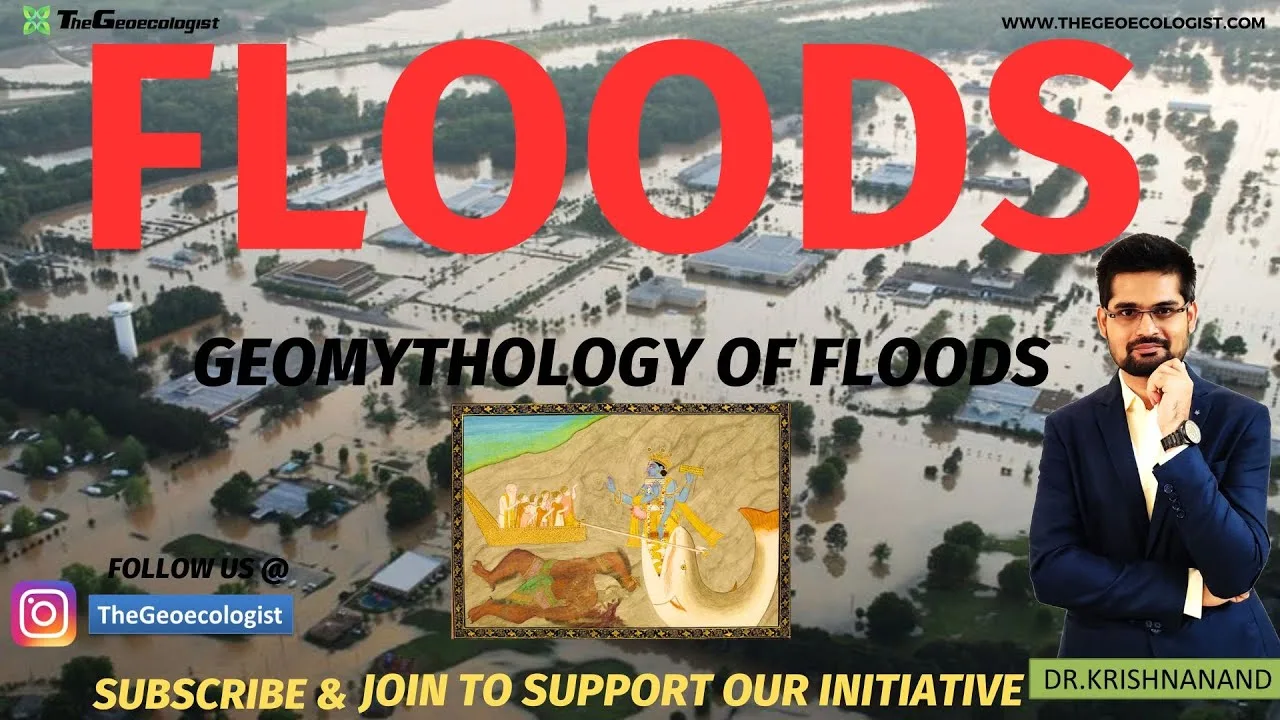
Flood Hazards, Disasters & Flood Management in India-Geomythology of Floods

Flood Hazards, Disasters & Flood Management in India-Geomythology of Floods
Flood Hazards, Disasters & Flood Management in India: Bridging Geomythology and Modern Strategies
By Dr. Krishnanand, Founder of TheGeoecologist
Introduction
Floods have been an integral part of India’s natural and cultural fabric for millennia. While monsoons sustain life, they also unleash devastating floods, especially in regions like the Ganga-Brahmaputra basin. Beyond their physical impacts, floods are deeply embedded in India’s geomythology—stories and legends that blend geological events with cultural memory. This article explores flood hazards, disaster management strategies, and the intriguing role of geomythology in understanding India’s hydrological past. Ideal for UPSC Geography Optional aspirants, this synthesis of science and tradition offers critical insights for sustainable flood governance.
Flood Hazards & Disasters in India
Causes of Floods:
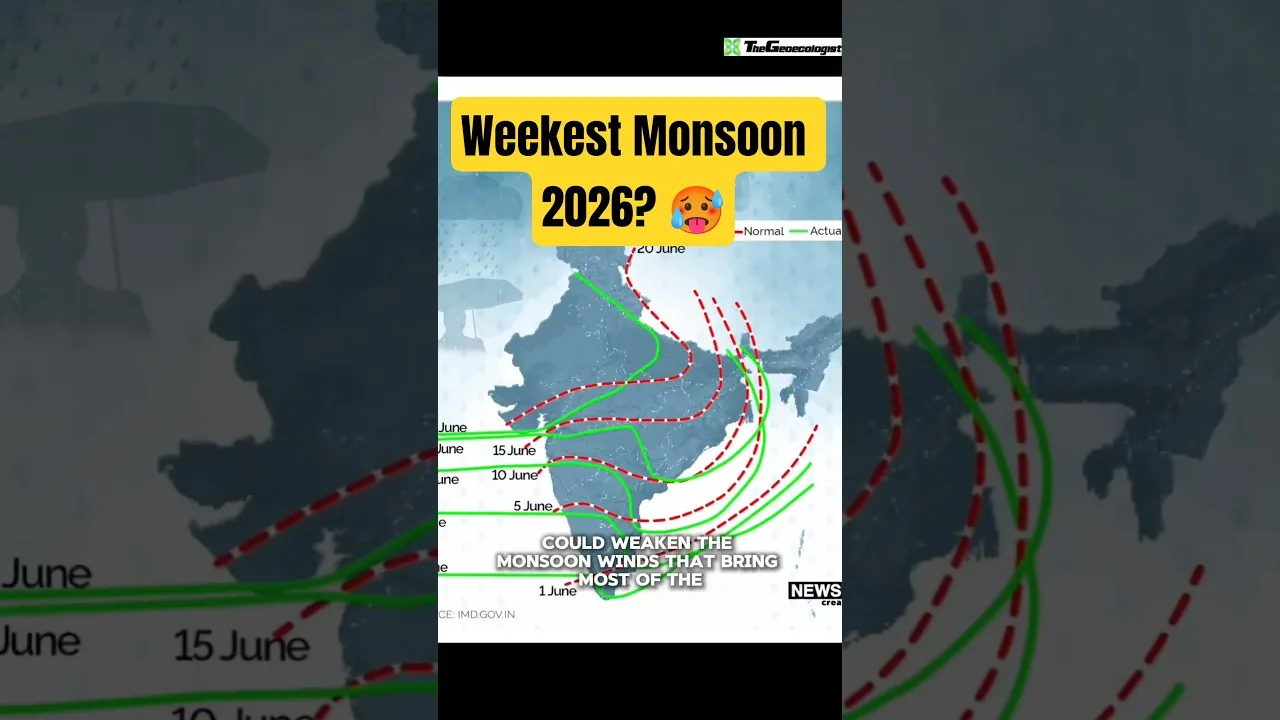
- Monsoon Intensity: 70% of India’s annual rainfall occurs during June–September, often leading to riverine floods.
- River Dynamics: Sedimentation in rivers like the Brahmaputra reduces channel capacity.
- Glacial Lake Outbursts (GLOFs): Melting Himalayan glaciers threaten downstream regions (e.g., Uttarakhand).
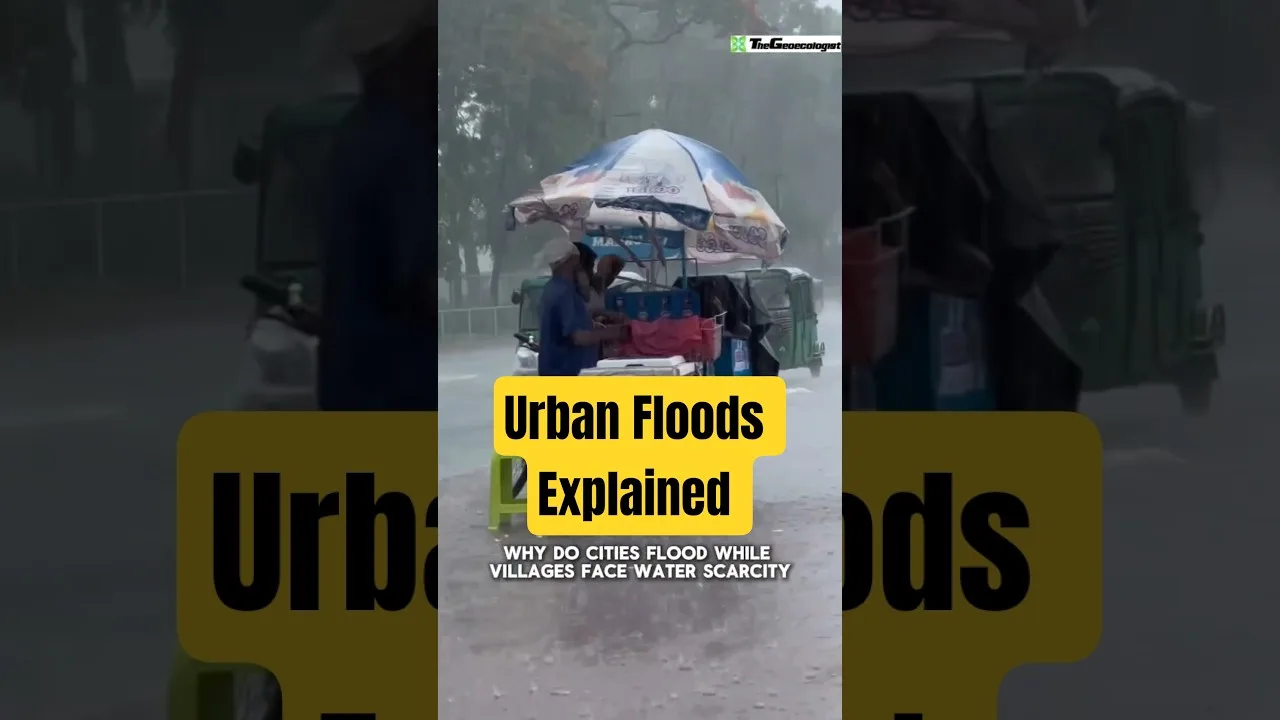
- Urbanization: Poor drainage and encroachment on floodplains worsen urban flooding (e.g., Chennai, Mumbai).
- Impact:
- Human Toll: Over 30% of global flood-related deaths occur in India.
- Economic Losses: Floods cost India ₹6,000–7,000 crore annually, damaging crops, infrastructure, and livelihoods.
- Displacement: Millions are displaced yearly, with marginalized communities facing prolonged vulnerability.
Flood Management Strategies
Structural Measures:
- Dams (e.g., Hirakud Dam on Mahanadi), embankments, and reservoirs.
- Modern tech: Early Warning Systems (EWS), GIS-based flood mapping.
Non-Structural Measures:
- Policy Frameworks: National Flood Control Program (1954), Floodplain Zoning Act.
- Community-Based Adaptation: Reviving traditional practices like khadin (Rajasthan) and aahar-pyne (Bihar).
- Challenges:
- Climate change intensifies extreme weather.
- Poor inter-state coordination and policy implementation gaps.
Geomythology of Floods: Lessons from the Past
Geomythology decodes historical floods through myths and oral traditions:
- Manu’s Ark: The Sanskrit text Shatapatha Brahmana describes a catastrophic flood, paralleling global deluge myths. Scholars link this to post-glacial sea-level rise (~7,000 BCE).
- Kerala’s Receding Sea Legend: Folklore in coastal Kerala warns of the sea swallowing lands—a possible nod to ancient tsunamis or storm surges.
- Assam’s Bhomoraguri Story: Tribal tales of the Brahmaputra’s wrath mirror chronic flood cycles, guiding traditional resilience practices.
These myths highlight how communities historically interpreted and adapted to floods, offering clues for integrating indigenous knowledge into modern risk reduction.
Way Forward: Synergy of Science and Tradition
- Participatory Governance: Engage local communities in flood planning using traditional wisdom.
- Eco-Friendly Infrastructure: Restore wetlands (e.g., Dal Lake) and promote afforestation.
- UPSC Relevance: Geography Optional students must analyze case studies (e.g., Kerala 2018 floods) and evaluate policies through interdisciplinary lenses.
Resources for Aspirants:
- eBook: Simplified Hydrology by Dr. Krishnanand (Download: Geography eBooks).
- Video Lecture: Detailed analysis on TheGeoecologist YouTube Channel.
Connect: Follow @thegeoecologist on Instagram and visit TheGeoecologist Website for courses.
geomythology #floodsinindia #disastermanagement #upsc #geographyoptional
Conclusion
Understanding floods in India requires merging scientific rigor with geomythological heritage. For UPSC aspirants, appreciating this duality enriches answers and fosters innovative solutions. As climate risks escalate, India’s path to resilience lies in honoring its past while harnessing modern technology.
Join Dr. Krishnanand’s YouTube community for expert guidance on Geography Optional! 🌏
To Download E-Books & Study Material Visit The Shop Page