Blog
Field Work in Geography-Dr.Krishnanand #thegeoecologist


Field Work in Geography-Dr.Krishnanand #thegeoecologist
Exploring Sedimentary Rocks in the Shivalik Hills: A Fieldwork Expedition with Dr. Krishnanand, The Geoecologist
Geography is not just a subject confined to textbooks; it comes alive when you step into the field. Fieldwork in geography is an essential aspect of understanding the physical, cultural, and environmental processes that shape our world. Dr. Krishnanand, popularly known as The Geoecologist, has been a pioneer in bridging the gap between theoretical knowledge and practical application through his engaging fieldwork expeditions. In one of his latest videos, he takes us on an exciting journey into the Shivalik Hills, a region rich in geological and geomorphological significance, to study sedimentary rocks and their role in understanding the tectonic history of the Himalayas.
The Shivalik Hills: A Geological Marvel
The Shivalik Hills, also known as the Outer Himalayas, stretch across northern India, Nepal, and Pakistan. This region is characterized by its unique sedimentary rock formations, which provide valuable insights into the geological processes that have shaped the Himalayas over millions of years. The Shivaliks are predominantly composed of sedimentary rocks such as sandstone, conglomerate, and shale, which were deposited in ancient river valleys and basins during the Miocene to Pleistocene epochs.
Understanding Sedimentary Rocks
Sedimentary rocks are formed through the accumulation and compaction of mineral and organic particles over time. These rocks are often layered, with each layer representing a specific period of deposition. In the Shivalik Hills, the sedimentary rocks reveal a fascinating story of the region’s past. Dr. Krishnanand explains how the deposition of sediments in this area was influenced by the upliftment of the Himalayas, the flow of ancient rivers, and the erosion of surrounding mountainous regions.
The sedimentary rocks of the Shivaliks are particularly significant because they contain fossils of plants and animals that provide clues about the climate and ecology of the region during their formation. Additionally, the alternating layers of sandstone and conglomerate indicate periods of intense sedimentation and erosion, reflecting the dynamic geological processes that have shaped the Himalayas.
Fieldwork in the Shivalik Hills
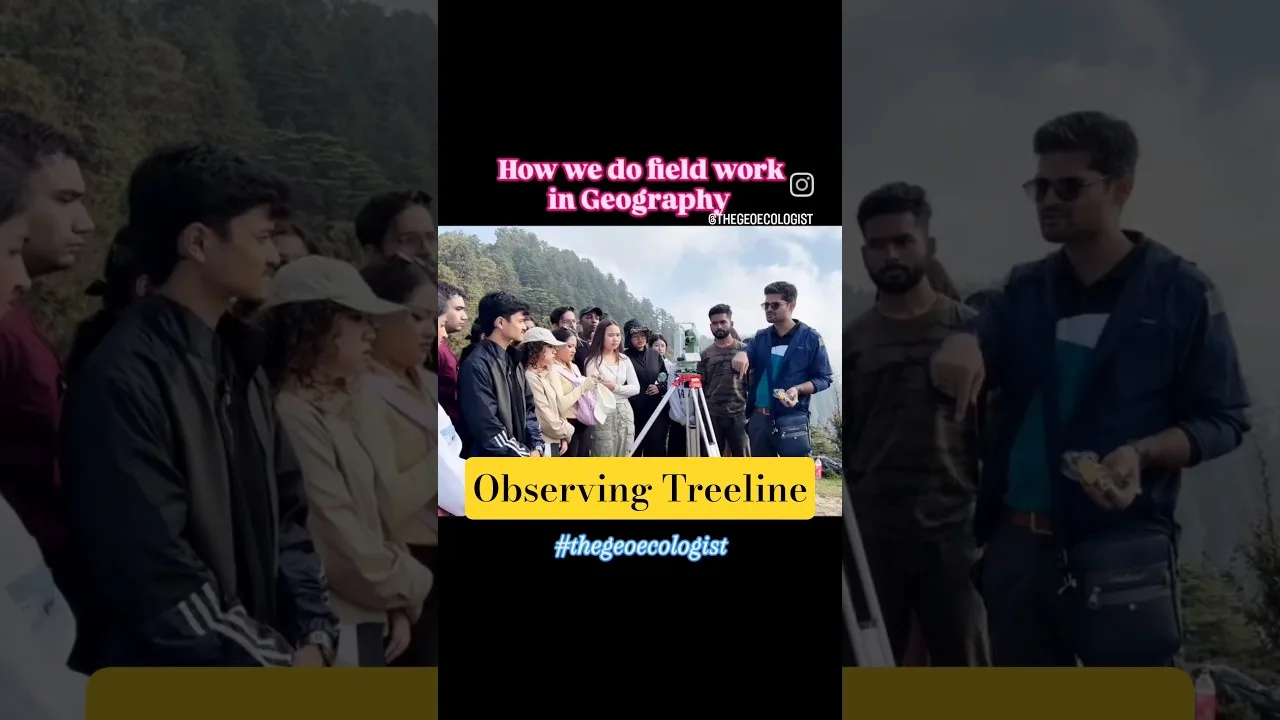
Fieldwork is an integral part of geographical and geological studies as it allows researchers to observe and analyze features in their natural setting. In his fieldwork expedition, Dr. Krishnanand explores the various sedimentary rock formations in the Shivalik Hills, highlighting their characteristics and significance.
One of the key aspects of the fieldwork is the study of rock strata. Dr. Krishnanand explains how the layers of sedimentary rocks can be used to understand the sequence of events that occurred during their formation. He also discusses the role of rivers in transporting and depositing sediments, which over time, have consolidated into the rock formations we see today.
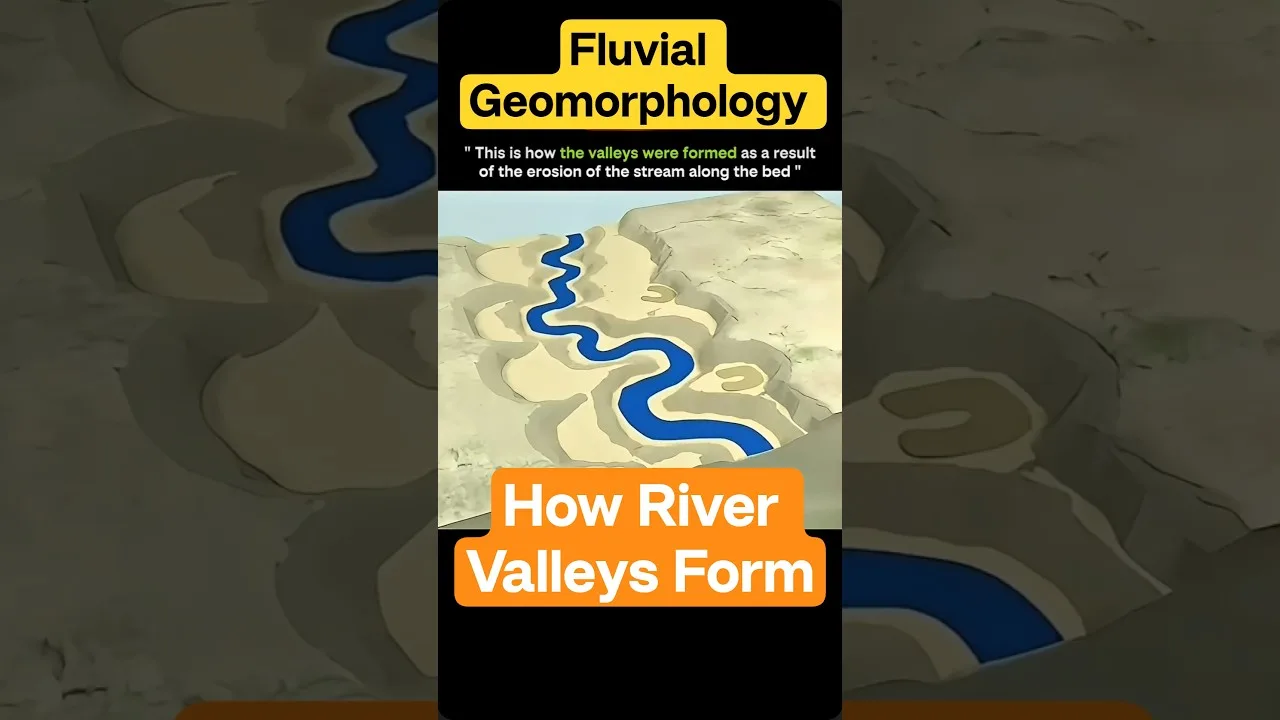
Another important focus of the fieldwork is the examination of erosion patterns in the region. The Shivalik Hills are prone to intense erosion due to their sedimentary nature and the high rainfall in the area. Dr. Krishnanand demonstrates how rivers and streams have carved deep valleys and gullies into the soft sedimentary rocks, creating a landscape that is both rugged and beautiful.
Significance for Geography and UPSC Aspirants
For geography enthusiasts and UPSC aspirants, understanding the geology of the Shivalik Hills is crucial. The region’s sedimentary rocks provide valuable insights into the tectonic history of the Himalayas, helping us understand how this majestic mountain range was formed. Dr. Krishnanand’s detailed explanation of the geomorphology and physical geography of the Shivaliks offers a comprehensive learning experience that complements theoretical knowledge.
The fieldwork expedition also emphasizes the importance of practical learning in geography. By observing and analyzing the sedimentary rocks in their natural setting, students can develop a deeper appreciation for the subject and gain a better understanding of the processes that shape our planet.
Join the Exploration
If you’re passionate about geography and geology, this fieldwork expedition with Dr. Krishnanand is a must-watch. His expert insights and engaging teaching style make complex concepts easy to understand, making the video a valuable resource for students, researchers, and anyone interested in the natural world.
To stay updated with Dr. Krishnanand’s latest lectures and fieldwork videos, subscribe to his YouTube channel, The Geoecologist. You can also visit his website, thegeoecologist.com, for more resources and courses on geography and related subjects. Follow him on Instagram @thegeoecologist for behind-the-scenes content and updates on his fieldwork expeditions.
Conclusion
Fieldwork in geography is a powerful tool for understanding the world around us. Dr. Krishnanand’s expedition into the Shivalik Hills to study sedimentary rocks is a testament to the importance of practical learning in the field of geography. By exploring the geological processes that have shaped the Himalayas, we gain a deeper understanding of our planet’s history and the forces that continue to shape it. So, grab your notebook and join Dr. Krishnanand on this fascinating journey into the Shivalik Hills – it’s an adventure you won’t want to miss!