Blog
Eastern Himalayas: Complete Guide to Northeast India’s Hidden Gem for UPSC and Travel

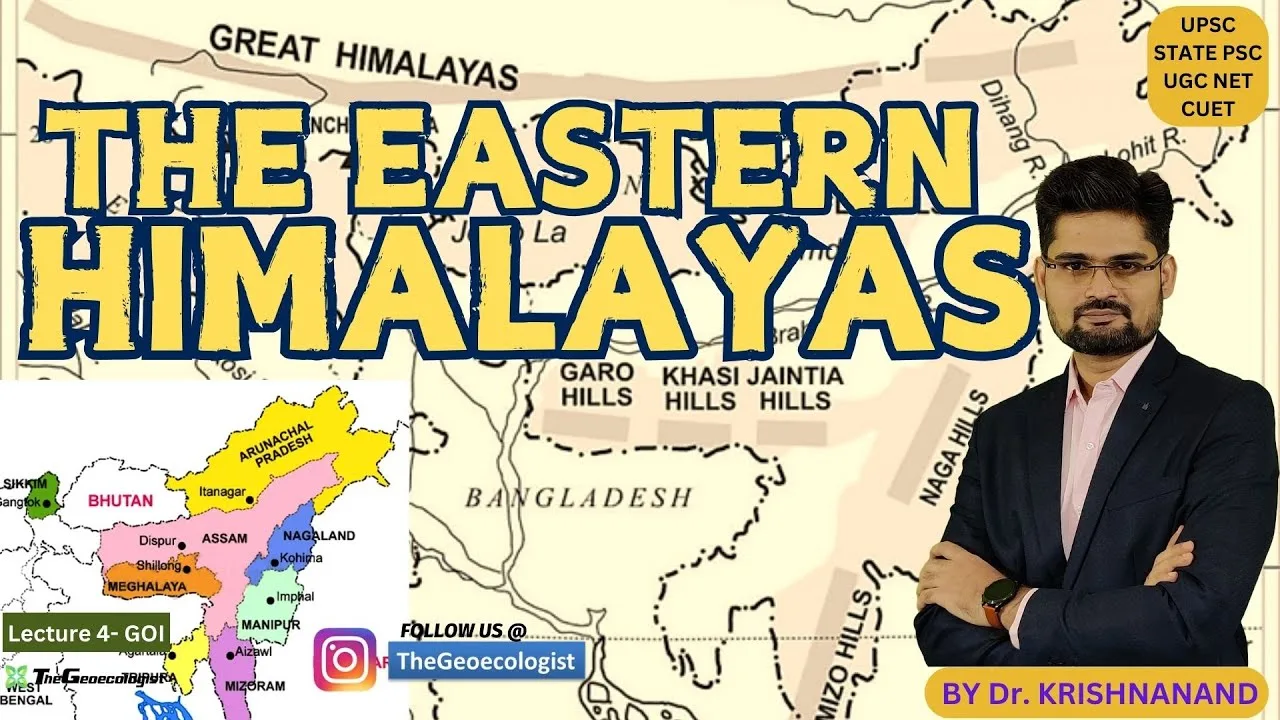
Table of Contents
- Understanding the Eastern Himalayas and Northeast India
- Geography and Geology of the Eastern Himalayas
- Tectonic Formation and Seismic Activity
- River Systems and Hydrological Features
- State-wise Exploration of the Eastern Himalayas Region
- Arunachal Pradesh: The Land of Dawn-lit Mountains
- Sikkim: Kingdom of Kangchenjunga
- Nagaland: Land of Festivals
- Meghalaya: Abode of Clouds
- Cultural Heritage of the Eastern Himalayas
- Traditional Festivals and Celebrations
- Artistic Traditions and Handicrafts
- Biodiversity and Conservation in the Eastern Himalayas
- Protected Areas and Wildlife Sanctuaries
- Endemic Species and Ecosystem Services
- UPSC Relevance and Academic Importance
- Geopolitical Significance and Border Security
- Environmental Challenges and Climate Change Impacts
- Cultural Anthropology and Tribal Rights
- Tourism Potential and Economic Development
- Adventure Tourism Opportunities
- Sustainable Development Initiatives
- Conclusion and Further Learning
Understanding the Eastern Himalayas and Northeast India
The Eastern Himalayas represent one of India’s most geographically diverse and culturally rich regions, encompassing the northeastern states that serve as a crucial study area for UPSC aspirants and travel enthusiasts alike. This magnificent landscape stretches across Arunachal Pradesh, Sikkim, Nagaland, Meghalaya, Assam, Manipur, Mizoram, Tripura, and Manipur, offering unparalleled insights into tectonic activity, biodiversity conservation, and ethnic diversity that make it essential reading for competitive exam preparation and cultural exploration.
- The Eastern Himalayas cover approximately 270,000 square kilometers across multiple northeastern states
- Home to over 200 distinct ethnic groups and tribes with unique traditions and languages
- Contains 90% of India’s total forest cover and serves as a biodiversity hotspot
- Forms the Indo-Burma region, recognized globally for ecological significance
- Essential for UPSC Geography Optional and General Studies preparation
Geography and Geology of the Eastern Himalayas
The Eastern Himalayas differ significantly from their western counterparts, being younger and more tectonically active due to the ongoing convergence of the Indian and Eurasian plates. This geological dynamism creates dramatic landscapes including deep river valleys, steep slopes, and high seismic activity zones that are frequently tested in UPSC examinations. The region’s topography is characterized by the Lesser Himalayas, Siwalik Range foothills, and the vast Brahmaputra River basin that drains much of Assam and neighboring areas.
According to geological surveys, the Eastern Himalayas experience frequent earthquakes due to active fault lines, making them one of the most seismically vulnerable regions in the country. The area receives exceptionally high rainfall, with some locations recording over 12,000mm annually, contributing to its lush vegetation and unique landform development.
Tectonic Formation and Seismic Activity
The Eastern Himalayas began forming approximately 5-10 million years ago, making them geologically younger than the western ranges. This recent formation contributes to higher tectonic instability, with the region experiencing moderate to strong earthquakes regularly. The active Delhi-Haridwar ridge extends into these mountains, creating complex geological structures that influence both the landscape and human settlement patterns.
River Systems and Hydrological Features
The Brahmaputra River system dominates the Eastern Himalayas hydrology, originating from Tibet’s Angsi Glacier near Lake Manasarovar. This mighty river flows through Arunachal Pradesh, Assam, and Meghalaya before entering Bangladesh. Other significant rivers include the Subansiri, Siang, and Manas, all originating in these mountains and supporting the region’s agricultural economy and biodiversity.
State-wise Exploration of the Eastern Himalayas Region

Each northeastern state within the Eastern Himalayas presents unique geographical features, cultural practices, and ecological treasures that contribute to the region’s overall significance. Understanding these state-specific characteristics is vital for comprehensive UPSC preparation and informed travel planning.
Arunachal Pradesh: The Land of Dawn-lit Mountains
Arunachal Pradesh, literally meaning “land of dawn-lit mountains,” forms the easternmost extension of the Eastern Himalayas. The state hosts the magnificent Tawang Monastery, recognized as Asia’s second-largest Buddhist monastery, which serves as a spiritual center for Gelugpa Buddhism. Namdapha National Park in Changlang district represents one of India’s most important biodiversity hotspots, protecting species like the red panda and clouded leopard within its subtropical forests.
The Apatani and Nyishi tribal communities maintain rich traditional practices despite modern influences. The Apatani plateau agriculture system, involving wet rice cultivation without chemical fertilizers, has gained international recognition for its sustainable practices. During the Torgya Festival, these communities celebrate their harvest with traditional dances, folk songs, and community feasts that attract researchers and cultural enthusiasts.
Sikkim: Kingdom of Kangchenjunga
Sikkim’s landscape is dominated by Kangchenjunga, India’s third-highest peak at 8,586 meters, which lies on the border with Nepal. The UNESCO World Heritage-listed Khangchendzonga National Park encompasses 850 square kilometers of pristine alpine meadows, glacial valleys, and temperate forests. This protected area demonstrates successful community-based conservation models that are frequently cited in environmental studies and UPSC preparation materials.
The Rumtek Monastery, located 24 kilometers from Gangtok, serves as the seat of the Karma Kagyu lineage of Tibetan Buddhism in Sikkim. Its architectural grandeur and spiritual significance make it a key pilgrimage site, while also representing the cultural syncretism that defines the Eastern Himalayas’ Buddhist heritage.
Nagaland: Land of Festivals
Nagaland’s Dzükou Valley, often called the “Valley of Flowers of the East,” showcases the Eastern Himalayas’ botanical wealth with seasonal blooms and lush meadows. The Hornbill Festival, held annually in December, celebrates the rich heritage of Naga tribes through traditional performances, crafts exhibitions, and indigenous sports competitions. This festival draws tourists and cultural researchers from across the globe, highlighting the Eastern Himalayas’ role in preserving ancient traditions.
The Angami, Ao, and Sema tribes maintain distinct cultural identities while contributing to the region’s collective heritage. Traditional Naga houses, constructed entirely from bamboo and wood without nails, demonstrate sustainable building practices that have sustained communities for centuries in the challenging Eastern Himalayas environment.
Meghalaya: Abode of Clouds
Meghalaya literally translates to “abode of clouds,” accurately describing the Eastern Himalayas’ wettest region. Mawsynram village receives approximately 11,873mm of rainfall annually, making it the world’s wettest inhabited place according to meteorological records. The living root bridges of Cherrapunji and Mawlynnong represent remarkable bio-engineering achievements, constructed by guiding aerial roots of Ficus elastica trees over decades to create suspension bridges that can support human weight.
The Khasi, Garo, and Jaintia communities practice matrilineal inheritance systems, where property and lineage pass through maternal lines. This unique social structure distinguishes the Eastern Himalayas’ cultural landscape from other parts of India and provides important anthropological case studies for UPSC aspirants.
Cultural Heritage of the Eastern Himalayas
The Eastern Himalayas encompass over 200 ethnic groups, creating one of the world’s most diverse cultural mosaics. Each community maintains distinct languages, festivals, agricultural practices, and artistic traditions that have evolved over millennia in response to local environmental conditions and historical interactions.
Traditional Festivals and Celebrations
The Bihu festival in Assam marks the Assamese New Year and celebrates the region’s agricultural cycle with community feasts, traditional dances like Borgeet and Sattriya, and folk music performances. In the Eastern Himalayas context, festivals serve multiple purposes: agricultural thanksgiving, community bonding, and cultural preservation. The Sangai Festival in Manipur showcases the state’s rich artistic traditions while promoting tourism and economic development in the Eastern Himalayas region.
Artistic Traditions and Handicrafts
Handloom weaving, bamboo craftsmanship, and traditional pottery represent core artistic expressions across the Eastern Himalayas. The Eri and Muga silk traditions of Assam have gained Geographical Indication status, while Sikkim’s thangka paintings and Arunachal’s Buddhist wall art contribute to the region’s cultural economy. These traditional crafts provide sustainable livelihood opportunities while preserving ancient techniques passed down through generations in the Eastern Himalayas communities.
Biodiversity and Conservation in the Eastern Himalayas
The Eastern Himalayas form part of the Indo-Burma biodiversity hotspot, recognized for exceptional species endemism and conservation value. This region harbors numerous endangered species including the one-horned rhinoceros, red panda, clouded leopard, and hoolock gibbon, making it critical for global biodiversity preservation efforts.
Protected Areas and Wildlife Sanctuaries
Kaziranga National Park in Assam has successfully increased the one-horned rhinoceros population from fewer than 20 individuals in the early 20th century to over 2,600 today, demonstrating effective conservation strategies. Manas National Park, also in Assam, represents another UNESCO World Heritage site within the Eastern Himalayas, protecting tigers, elephants, and pygmy hogs while supporting community-based ecotourism initiatives.
Kaziranga National Park serves as a model for biodiversity conservation in the Eastern Himalayas, combining scientific management with local community participation to achieve remarkable success in protecting endangered species while maintaining ecological balance.
Endemic Species and Ecosystem Services
The Eastern Himalayas support several endemic species including the Mishmi wren-babbler, white-cheeked hill partridge, and various orchid species found nowhere else on Earth. These ecosystems provide crucial services including carbon sequestration, water regulation, and soil conservation that benefit not only the Eastern Himalayas region but also downstream areas dependent on river systems originating in these mountains.
UPSC Relevance and Academic Importance
For UPSC aspirants, the Eastern Himalayas represent a multifaceted subject area encompassing geography, environmental science, anthropology, and geopolitics. The region’s inclusion in various UPSC syllabus components reflects its strategic and developmental importance to India’s northeastern frontier.
Geopolitical Significance and Border Security
The Eastern Himalayas form India’s boundary with China, Bhutan, and Myanmar, making them strategically significant for national security considerations. Border disputes, infrastructure development challenges, and cross-border cooperation mechanisms are frequently examined topics in UPSC interviews and mains examinations. The Act East Policy emphasizes strengthening ties with Southeast Asian nations through enhanced connectivity with the Eastern Himalayas region.
Environmental Challenges and Climate Change Impacts
Rapid deforestation, shifting cultivation practices, and climate change pose significant threats to the Eastern Himalayas’ ecological stability. Glacial melting in higher altitudes affects downstream water availability, while changing precipitation patterns impact agricultural productivity throughout the region. Understanding these environmental challenges is crucial for UPSC Environment and Ecology preparation, as the Eastern Himalayas often feature in case studies related to sustainable development and climate adaptation strategies.
Cultural Anthropology and Tribal Rights
The Eastern Himalayas’ tribal communities present excellent case studies for understanding traditional governance systems, customary laws, and indigenous knowledge systems. Panchayati Raj institutions in these states often incorporate traditional decision-making processes, creating unique models of democratic governance that blend modern constitutional frameworks with ancient cultural practices. This synthesis of traditional and contemporary governance makes the Eastern Himalayas particularly relevant for UPSC Anthropology Optional preparation.
Tourism Potential and Economic Development
The Eastern Himalayas offer tremendous potential for sustainable tourism development, with their combination of natural beauty, cultural richness, and adventure opportunities. Eco-tourism initiatives in states like Sikkim have demonstrated how responsible tourism can generate employment while preserving cultural and environmental heritage.
Adventure Tourism Opportunities
Trekking routes through the Eastern Himalayas, including the Goechala trek in Sikkim and the Dzükou Valley expedition in Nagaland, attract adventure enthusiasts from around the world. These activities provide economic benefits to local communities while promoting awareness about conservation needs in sensitive Eastern Himalayas ecosystems.
Sustainable Development Initiatives
Organic farming initiatives in Sikkim, declared India’s first fully organic state in 2016, demonstrate how the Eastern Himalayas can lead in sustainable agricultural practices. Community-based tourism projects in Arunachal Pradesh and Meghalaya show how local populations can benefit economically while maintaining their cultural traditions and environmental stewardship roles.
Conclusion and Further Learning
The Eastern Himalayas represent an extraordinary convergence of natural beauty, cultural diversity, and academic significance that makes them indispensable for UPSC preparation and meaningful travel experiences. Whether studying tectonic formations, exploring biodiversity conservation strategies, or understanding tribal governance systems, the Eastern Himalayas provide rich material for comprehensive learning and personal growth.
As India continues developing its northeastern frontier through initiatives like the Trans-Himalayan connectivity projects and Act East Policy implementation, the Eastern Himalayas will remain at the center of national attention for their strategic location, resource potential, and cultural importance. Students preparing for competitive examinations and travelers seeking authentic experiences alike will find the Eastern Himalayas offering endless opportunities for discovery and understanding.
For those interested in deeper exploration, Sikkim tourism resources and specialized educational platforms provide comprehensive information about this remarkable region’s ongoing development and conservation efforts.
Frequently Asked Questions
The Eastern Himalayas are geologically significant because they are younger and more tectonically active than western ranges, formed by Indian-Eurasian plate collision, featuring high seismic activity, deep river valleys, and unique landforms like Tawang and Dzükou valleys.
The Eastern Himalayas encompass Arunachal Pradesh, Sikkim, Nagaland, Meghalaya, Assam, Manipur, Mizoram, Tripura, and other northeastern states, forming India's northeastern frontier with diverse geographical and cultural characteristics.
The Eastern Himalayas are crucial for UPSC preparation covering Geography Optional, Environment studies, Anthropology Optional, and General Studies papers, with topics including tectonic activity, biodiversity conservation, tribal rights, border security, and cultural heritage.