Blog
Population Composition: Understanding Demographic Structure and Geographic Patterns

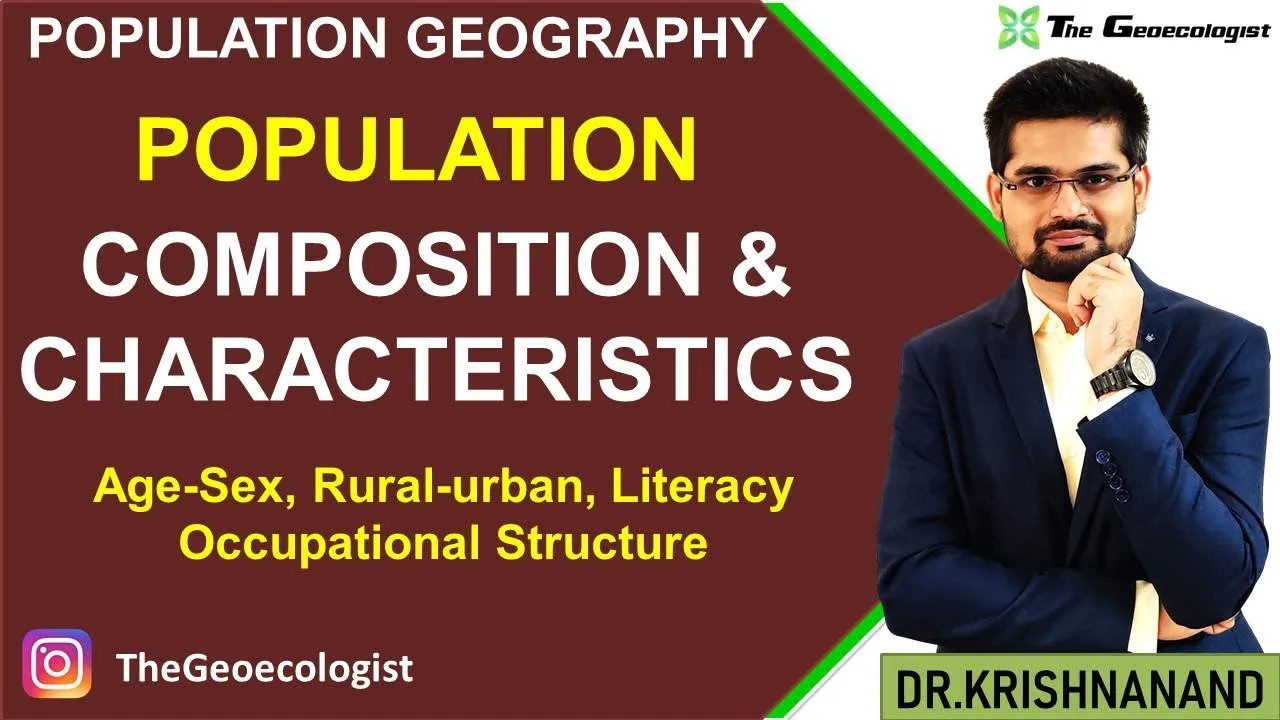
Table of Contents
- Introduction to Population Composition in Geography
- Defining Population Composition: Core Elements and Attributes
- Age-Sex Structure: The Foundation of Population Composition
- Sex Ratio Analysis in Population Composition
- Significance of Studying Population Composition
- Resource Allocation Based on Population Composition
- Policy Formulation Through Population Composition Insights
- Regional Variations in Population Composition Patterns
- Youthful Population Composition in Developing Regions
- Aging Population Composition in Developed Societies
- Tools and Methods for Analyzing Population Composition
- Demographic Transition Model and Population Composition
- Population Pyramids as Population Composition Tools
- Dependency Ratio and Population Composition Economics
- Educational and Occupational Patterns in Population Composition
- Global Examples of Population Composition Diversity
- Gulf Countries' Unique Population Composition
- Challenges in Population Composition Analysis
- Future Implications of Population Composition Trends
- Conclusion: Mastering Population Composition for Academic Success
- Additional Resources for Population Composition Study
Introduction to Population Composition in Geography
Population composition represents one of the most fundamental concepts in population geography, examining how human populations are structured across different demographic dimensions. This comprehensive analysis of population composition provides crucial insights into the spatial distribution of people based on age, sex, ethnicity, education, occupation, and marital status. For students preparing for competitive examinations like UPSC Geography Optional, understanding population composition becomes essential for analyzing demographic policies, migration patterns, and sustainable development strategies.
- Population composition reveals the demographic structure of societies through age-sex pyramids
- Socioeconomic characteristics within population composition indicate regional development levels
- Analyzing population composition helps in resource allocation and economic planning
- Global variations in population composition reflect different stages of demographic transition
Defining Population Composition: Core Elements and Attributes
The study of population composition encompasses multiple demographic attributes that collectively define the character of human populations. Age-sex structure forms the backbone of population composition analysis, representing the proportion of different age groups and gender distribution within a population. Literacy rates, occupational patterns, and income levels serve as key socioeconomic indicators that complement the basic demographic framework of population composition.
Age-Sex Structure: The Foundation of Population Composition
Age-sex structure serves as the primary indicator within population composition studies, typically visualized through population pyramids. These graphical representations reveal whether a population composition indicates a youthful society with a broad base, an aging population with a narrow base, or a stable demographic profile. Countries like Nigeria demonstrate youthful population composition with high birth rates, while nations such as Japan exemplify aging population composition due to declining fertility and extended life expectancy.
Sex Ratio Analysis in Population Composition
The sex ratio, measuring the number of females per 1,000 males, represents another critical aspect of population composition. This demographic indicator highlights gender disparities within population composition, influenced by factors including migration patterns, cultural preferences, and mortality differentials. Gulf countries showcase unique population composition patterns with skewed sex ratios resulting from male-dominated labor migration flows.
Significance of Studying Population Composition
Comprehending population composition patterns proves vital for multiple stakeholders. Governments utilize demographic data derived from population composition analysis to plan healthcare facilities, educational infrastructure, and housing requirements. Economic planners rely on population composition insights to address employment needs—youthful population composition demands job creation initiatives, while aging population composition necessitates robust pension and healthcare systems.
Resource Allocation Based on Population Composition
Effective resource allocation depends heavily on understanding population composition characteristics. Healthcare planning requires knowledge of age-specific needs within population composition, with elderly populations demanding chronic disease management and younger populations requiring maternal and child health services. Educational infrastructure development responds directly to population composition patterns, particularly the ratio of school-age children to available institutions.
Policy Formulation Through Population Composition Insights
Targeted policy formulation emerges from detailed population composition analysis. Addressing gender imbalances within population composition requires specific interventions, while regional disparities in development necessitate differentiated policy approaches. Population composition data enables policymakers to design evidence-based strategies for sustainable development and social equity.
Regional Variations in Population Composition Patterns

Global analysis reveals significant variations in population composition across different regions. Sub-Saharan Africa demonstrates distinctive population composition patterns characterized by high fertility rates and youthful demographics. In contrast, European nations and Japan exhibit aging population composition resulting from declining birth rates and improved healthcare outcomes spanning several decades.
Youthful Population Composition in Developing Regions
Youthful population composition predominates in developing regions where high birth rates continue to characterize demographic trends. This population composition pattern presents both opportunities and challenges for economic development. While youthful population composition can provide demographic dividends through productive workforce expansion, it simultaneously demands substantial investment in education and employment generation.
Aging Population Composition in Developed Societies
Aging population composition defines many developed societies, particularly evident in Japan’s demographic transition since the 1950s. This population composition characteristic necessitates comprehensive policy responses including pension system reforms, healthcare infrastructure adaptation, and intergenerational support mechanisms. European Union member states have implemented various approaches to address aging population composition challenges.
Tools and Methods for Analyzing Population Composition
Demographers and geographers employ sophisticated tools to examine population composition patterns. Census data collection provides foundational information for population composition analysis, while surveys offer supplementary demographic insights. Geographic Information Systems (GIS) technology enables spatial visualization of population composition variations across territories.
Demographic Transition Model and Population Composition
The Demographic Transition Model serves as a theoretical framework explaining population composition changes over time. This model describes how societies transition from high birth and death rates to low rates, fundamentally altering their population composition structure. Each stage of demographic transition produces distinct population composition characteristics that inform policy decisions.
Population Pyramids as Population Composition Tools
Population pyramids remain indispensable tools for visualizing population composition patterns. These graphical representations display the distribution of population composition across age groups and genders, revealing whether societies exhibit expansive, constrictive, or stationary population composition characteristics. Comparative analysis of population pyramids across nations illuminates global population composition trends.
Dependency Ratio and Population Composition Economics
The dependency ratio, calculated as the proportion of non-working-age population to working-age population, represents a crucial economic indicator derived from population composition analysis. High dependency ratios within population composition strain economic resources, requiring substantial public investment in education and healthcare. Conversely, optimal population composition with balanced dependency ratios supports sustainable economic growth.
Educational and Occupational Patterns in Population Composition
Socioeconomic characteristics significantly influence population composition interpretations. Literacy rates within population composition reflect educational achievement levels, while occupational patterns indicate economic structure and development stage. Urban areas typically demonstrate distinct population composition features with higher literacy rates and diversified occupational distributions compared to rural zones.
Global Examples of Population Composition Diversity
International comparisons reveal remarkable population composition diversity. According to Wikipedia’s population pyramid documentation, nations like Niger exhibit extremely youthful population composition with median ages below 15 years. Meanwhile, demographic research shows that Germany’s population composition reflects significant aging trends with median ages exceeding 45 years.
Gulf Countries’ Unique Population Composition
Gulf Cooperation Council countries demonstrate distinctive population composition patterns resulting from international labor migration. Male-dominated expatriate populations create unique population composition characteristics with significantly skewed sex ratios. These population composition features require specialized policy responses addressing integration challenges and sustainable development goals.
Challenges in Population Composition Analysis
Modern population composition analysis faces several methodological challenges. Migration flows complicate population composition assessments, particularly in regions experiencing significant demographic mobility. Cultural factors influencing data collection accuracy may affect population composition reliability, requiring careful methodological approaches.
Future Implications of Population Composition Trends
Emerging population composition trends suggest continued demographic transformation globally. Climate change, urbanization, and economic development will increasingly influence population composition patterns. Sustainable development strategies must account for evolving population composition characteristics to ensure equitable resource distribution and social welfare provision.
Conclusion: Mastering Population Composition for Academic Success
Understanding population composition remains essential for grasping contemporary demographic challenges and opportunities. Competitive exam aspirants benefit significantly from mastering population composition concepts, as these principles underpin questions on demographic policies, migration dynamics, and sustainable development frameworks. Continued study of population composition patterns through academic resources and video lectures enhances comprehension of this vital geographical discipline.
Additional Resources for Population Composition Study
Students seeking comprehensive population composition understanding can access specialized e-books and video lectures designed for UPSC preparation. These resources break down complex population composition concepts into accessible formats, supporting effective learning and retention for examination success.
Frequently Asked Questions
Population composition refers to the demographic makeup of a population based on attributes such as age, sex, ethnicity, education, occupation, and marital status, providing insights into societal structures and planning needs.
Age-sex structure forms the backbone of population composition analysis, revealing youthful populations with broad bases or aging populations with narrow bases, which directly impacts economic planning and resource allocation.
Population composition concepts are essential for UPSC Geography Optional as they underpin questions on demographic policies, migration patterns, sustainable development, and regional planning strategies.