Blog
Paleoendemism vs Neoendemism: Understanding Endemism Types and Species Dispersal for UPSC & Geography Students

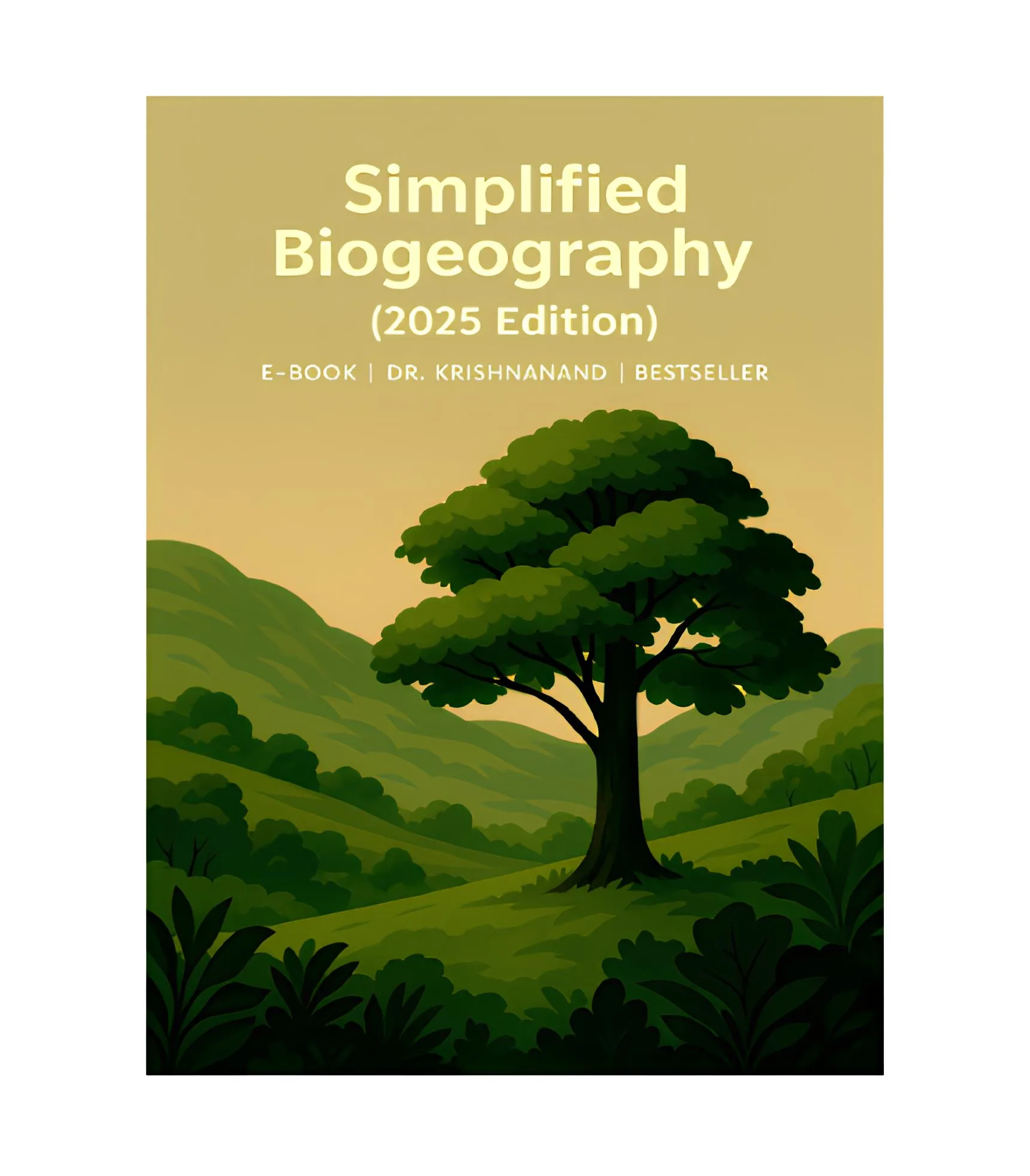

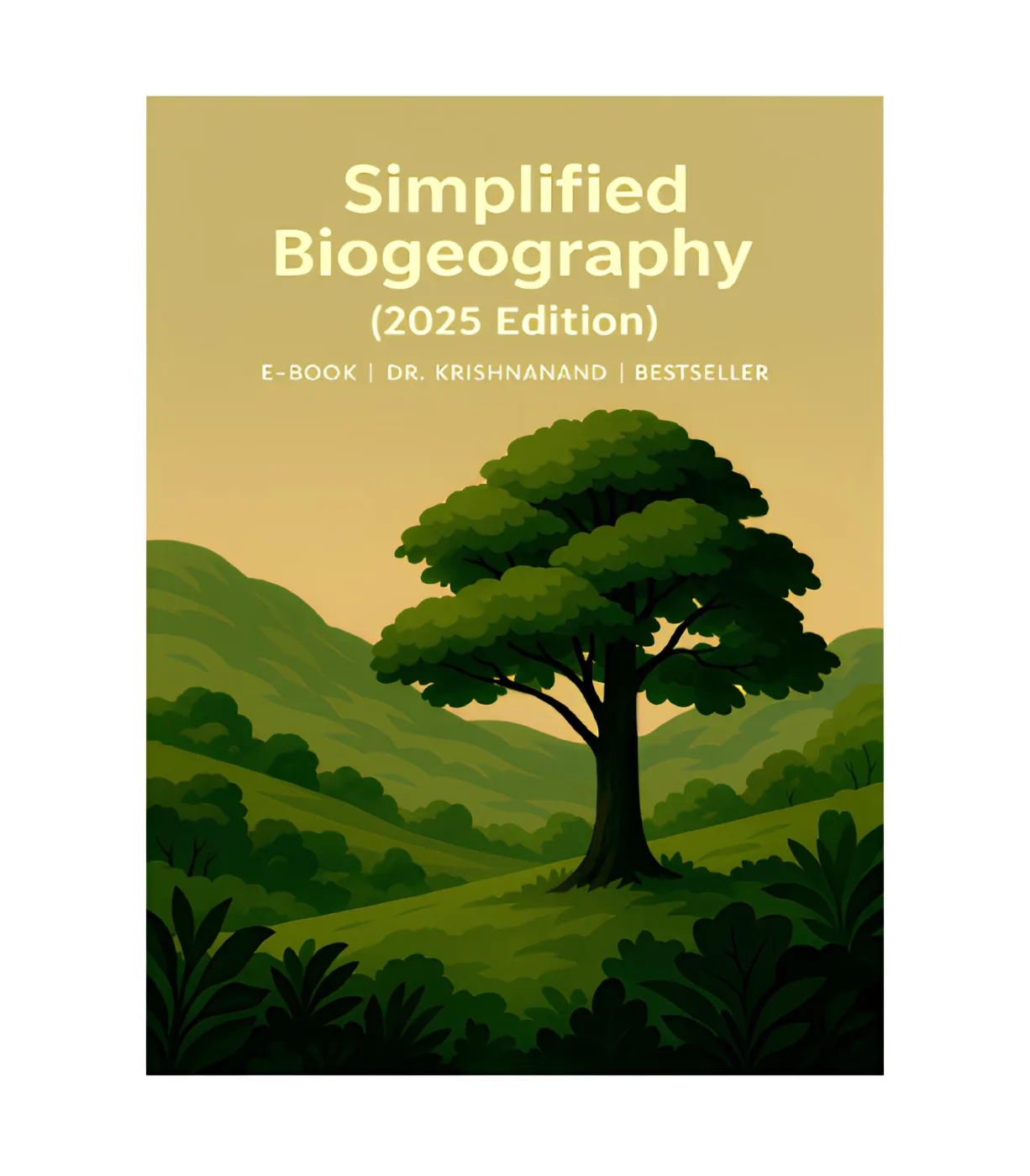
Students preparing for UPSC CSE, undergraduate geography courses, and self‑learners often struggle to grasp the subtle differences between Paleoendemism vs Neoendemism and the mechanisms that drive species dispersal. This confusion can stall progress in biogeography, a core component of the CBCS syllabus and competitive exams. In this article we break down the core concepts, compare the two endemism types, explore dispersal pathways, and show how Dr. Krishnanand’s Simplified Biogeography (2025 Edition) e‑book can become an indispensable study companion.
- Clear definition of Paleoendemism and Neoendemism with real‑world examples.
- Practical comparison of evolutionary age, habitat stability, and genetic implications.
- Step‑by‑step guide to species dispersal mechanisms: abiotic vs biotic vectors.
- How the e‑book integrates diagrams, maps, and point‑wise notes for quick revision.
- Actionable study tips tailored for UPSC and undergraduate geography syllabi.
Understanding Endemism: Definitions and Core Concepts
Endemism refers to the occurrence of species exclusively in a particular geographic area. The term originates from Greek roots meaning “to dwell within limits.” According to the Wikipedia entry on endemism, endemic species are restricted to a limited zone, often due to isolation, specialized habitats, or historical biogeographic events. In the context of biogeography, distinguishing between different types of endemism helps explain patterns of biodiversity across regions.
When we discuss Paleoendemism vs Neoendemism, we are essentially comparing ancient versus recent origins of restricted distributions. Paleoendemism points to species that have been isolated for long geological periods, often surviving in refugia. Neoendemism, conversely, describes newly evolved species whose range is limited because they have not yet had time to disperse widely. Both concepts are central to the CBCS geography syllabus and frequently appear in UPSC questions.
Paleoendemism vs Neoendemism: Key Differences
The table below summarizes the principal distinctions:
| Aspect | Paleoendemism | Neoendemism |
|---|---|---|
| Evolutionary Age | Very old, often millions of years | Recent, typically less than a million years |
| Habitat Stability | Stable, long‑term refugia | Often unstable or disturbed environments |
| Genetic Diversity | High, due to long isolation | Lower, due to recent origin |
| Example | Western Ghats shola forests | High‑altitude endemic grasses in the Himalayas |
Understanding these differences is crucial for answering complex biogeography questions that ask you to classify an endemic species into one of the two categories. The Simplified Biogeography (2025 Edition) e‑book provides visual maps and point‑wise highlighted descriptions that make these distinctions crystal clear.
Species Dispersal Mechanisms: Vectors and Processes
Even after identifying whether a species is paleo‑ or neo‑endemic, one must understand how it reached its restricted range. Species dispersal can occur through several pathways:
- Abiotic vectors: wind, water currents, and atmospheric pressure systems can transport seeds or spores over long distances.
- Biotic vectors: birds, mammals, insects, and ocean currents facilitate movement across land bridges or marine barriers.
- Human‑mediated dispersal: agriculture, trade, and transportation introduce species to new locales, often creating neo‑endemic patterns in urban fringes.
Each mechanism interacts with the geological history of a region, influencing whether endemism is ancient or recent. The e‑book includes diagrams illustrating wind‑driven seed dispersal across the Deccan plateau and maps showing bird‑mediated gene flow in the Eastern Himalayas, helping students visualize these processes.
Integrating Endemism and Dispersal in Biogeographic Studies
Real‑world biogeographic analysis rarely treats endemism and dispersal as isolated topics. Researchers combine fossil records, phylogenetic data, and current distribution maps to reconstruct evolutionary scenarios. For example, a study of the Western Ghats highlights how paleoendemism is preserved in stable mountain valleys while neoendemism emerges in newly formed volcanic soils where dispersal from adjacent regions is limited.
Students can adopt a systematic approach:
- Identify the species’ taxonomic group and known range.
- Determine whether the range is ancient (paleo) or recent (neo) using geological timelines.
- Map likely dispersal routes using known vectors and landscape features.
- Synthesize the findings into a concise biogeographic narrative.
Dr. Krishnanand’s Simplified Biogeography e‑book walks readers through this four‑step framework with practical examples and visual aids, making it an ideal reference for exam preparation.
How Simplified Biogeography (2025 Edition) Supports Your Learning
The e‑book is specifically designed for UPSC CSE aspirants, undergraduates, and geography enthusiasts who need a concise yet comprehensive resource. Its salient features include:
- Point‑wise highlighted descriptions that break down complex terms like Paleoendemism vs Neoendemism into bite‑size notes.
- High‑resolution diagrams, maps, and images that illustrate biome distributions and dispersal pathways.
- Alignment with the CBCS syllabus, ensuring coverage of all required topics.
- Easy digital access, allowing on‑the‑go revision on tablets or laptops.
Because the content is structured around exam‑oriented headings, students can quickly locate the section on endemism and dispersal, review the accompanying visuals, and reinforce learning with the book’s summary boxes.
Practical Steps for UPSC and Undergraduate Students
1. **Create a Study Schedule** – Allocate 30 minutes daily to read one chapter from the e‑book and annotate key points.
2. **Use Visual Aids** – Refer to the maps showing paleoendemic refugia and neoendemic hotspots; draw connections to the text.
3. **Practice Active Recall** – After reading each section, close the book and write down everything you remember about Paleoendemism vs Neoendemism and dispersal mechanisms.
4. **Solve Past Papers** – Apply the concepts to MCQs and descriptive questions; the e‑book’s answer keys help verify your responses.
5. **Join Study Groups** – Discuss case studies from the book, such as the Western Ghats paleoendemic amphibians, to deepen understanding.
Following these steps ensures that the knowledge gained from the e‑book translates into exam success and long‑term retention.
Frequently Asked Questions
Q1: Is the e‑book suitable for self‑learners without formal coaching?
A1: Yes, the book’s clear language, diagrams, and point‑wise notes make it self‑sufficient for anyone studying biogeography, including UPSC aspirants.
Q2: Does the content cover the latest research on endemism and dispersal?
A2: The 2025 edition incorporates recent findings, including updated classifications of paleo‑ vs neo‑endemism and modern dispersal models.
Q3: Can I access the e‑book on mobile devices?
A3: Absolutely, the e‑book is delivered in PDF format, which can be opened on smartphones, tablets, and laptops for flexible learning.
Q4: Are there any practice questions included?
A4: The book includes end‑of‑chapter review questions and a comprehensive answer section to help you gauge progress.
Q5: How does this compare to other biogeography textbooks?
A5: While other texts may be lengthy, Simplified Biogeography condenses essential concepts, focusing on exam relevance and visual learning, making it a bestseller among UPSC and undergraduate students.
For further reading, explore the Wikipedia page on biogeography to gain broader context on the discipline.
Our Recommendation
📖 Part of our complete guide: Evolution of Geographical Thought: A Comprehensive Guide for UPSC Aspirants and Geography Enthusiasts
Frequently Asked Questions
Q1: Is the e‑book suitable for self‑learners without formal coaching?
A1: Yes, the book’s clear language, diagrams, and point‑wise notes make it self‑sufficient for anyone studying biogeography, including UPSC aspirants.
Q2: Does the content cover the latest research on endemism and dispersal?
A2: The 2025 edition incorporates recent findings, including updated classifications of paleo‑ vs neo‑endemism and modern dispersal models.
Q3: Can I access the e‑book on mobile devices?
A3: Absolutely, the e‑book is delivered in PDF format, which can be opened on smartphones, tablets, and laptops for flexible learning.