Blog
Idealism In Geographical Thought: A Comprehensive Guide for Human Geography Students

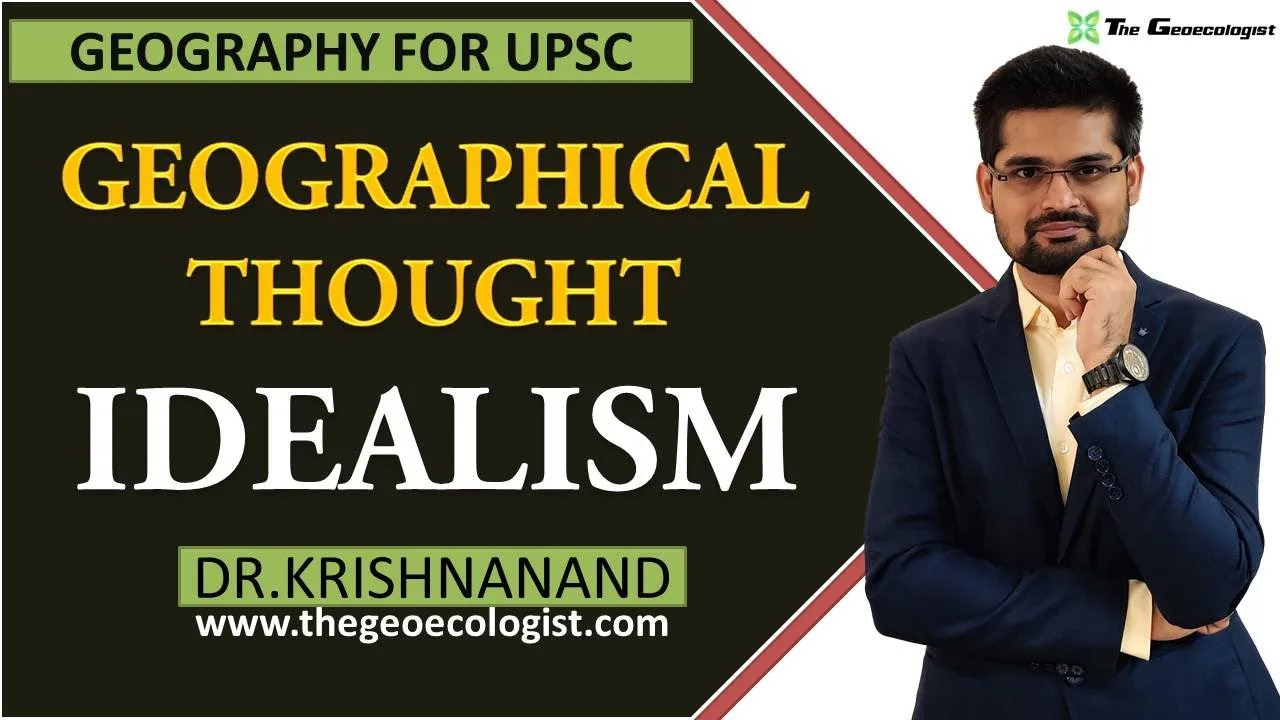
Table of Contents
- Introduction to Idealism In Geographical Thought
- Historical Development of Idealism In Geographical Thought
- Early Influences on Idealism In Geographical Thought
- Core Principles of Idealism In Geographical Thought
- Primacy of Mind Over Matter
- Spatial Consciousness as Constructed Reality
- Impact on Human Geography
- Environmental Ethics and Conservation
- Place Attachment and Identity
- Relevance to UPSC Examination Preparation
- Key Topics in UPSC Context
- Modern Applications and Critiques
- Digital Age Implications
- Practical Implementation for Students
- Study Resources
- Learning Approach
- Conclusion
- Further Reading
Introduction to Idealism In Geographical Thought
Idealism In Geographical Thought represents a pivotal philosophical framework that has profoundly shaped human understanding of space, place, and environmental relationships. This concept, explored in depth by scholars like Dr. Krishnanand, offers a unique lens through which we can examine the interplay between human consciousness and geographical phenomena. As part of the broader evolution of geographical thought, Idealism In Geographical Thought challenges materialist perspectives by emphasizing the role of mental constructs in shaping our perception of the physical world.
- Idealism In Geographical Thought prioritizes mental and spiritual dimensions over material conditions
- Key thinkers like Kant and Hegel influenced early geographical idealism
- Modern applications connect to environmental ethics and conservation philosophy
- Crucial for understanding UPSC geography optional preparation
- Distinguishes from materialist and positivist geographical approaches
Historical Development of Idealism In Geographical Thought
The roots of Idealism In Geographical Thought trace back to ancient Greek philosophy, particularly the works of Plato and later Kantian epistemology. During the 19th century, German idealist philosophers significantly influenced how geographers conceptualized space and environment. The philosophical movement of Idealism provided a foundation for understanding how human consciousness actively constructs meaning from geographical experiences.
Early Influences on Idealism In Geographical Thought
Geographer Ellen Churchill Semple first introduced the term “environmental determinism” in 1911, but her work was deeply infused with Idealism In Geographical Thought principles. She argued that human cultures are shaped by the mental interpretation of their environments rather than direct physical causation. This perspective emphasized the role of Idealism In Geographical Thought in understanding cultural adaptation and spatial organization.
Core Principles of Idealism In Geographical Thought

The fundamental tenets of Idealism In Geographical Thought include:
Primacy of Mind Over Matter
In Idealism In Geographical Thought, the human mind is considered the primary force shaping geographical understanding. Physical environments are not passive backdrops but active participants in mental construction. This means that landscapes acquire meaning through human perception, making Idealism In Geographical Thought central to environmental psychology.
Spatial Consciousness as Constructed Reality
Idealism In Geographical Thought posits that spatial awareness is not innate but socially constructed. Geographer Yi-Fu Tuan emphasized this in his seminal work “Toponymy: A Study in Linear and Area Thinking” (1974), demonstrating how language and culture influence spatial cognition through Idealism In Geographical Thought frameworks.
Impact on Human Geography
Idealism In Geographical Thought revolutionized human geography by shifting focus from purely physical determinants to subjective experiences. This approach directly influences contemporary subfields including:
Environmental Ethics and Conservation
The ethical dimensions of Idealism In Geographical Thought have shaped modern conservation movements. Scholars argue that by emphasizing human responsibility in constructing environmental meaning, this philosophy supports sustainable practices. The World Conservation Strategy (1992) reflects these ideals through its emphasis on “man and the biosphere” integration.
Place Attachment and Identity
Through Idealism In Geographical Thought, geographers like Reluctant Geographer Kevin Lynch studied how individuals mentally map their environments. His “The Image of the City” (1960) demonstrated that urban spaces derive meaning from collective mental representations, a core tenet of Idealism In Geographical Thought.
Relevance to UPSC Examination Preparation
For UPSC/IAS aspirants, Idealism In Geographical Thought forms a critical component of the geography optional syllabus. Dr. Krishnanand’s lectures, including this 31st installment in his series, provide structured explanations tailored for competitive exams. The emphasis on mental constructs aligns with UPSC’s focus on conceptual understanding over rote memorization.
Key Topics in UPSC Context
Understanding Idealism In Geographical Thought helps candidates address:
- Environmental philosophy questions in GS Mains
- Human-environment interaction theories in optional papers
- Comparative analysis with materialist geographical approaches
Modern Applications and Critiques
While Idealism In Geographical Thought remains influential, contemporary geographers often critique its perceived disconnection from material realities. However, hybrid approaches integrating both idealist and materialist perspectives have emerged, particularly in climate change studies where mental models influence policy decisions.
Digital Age Implications
The rise of digital mapping technologies has renewed interest in Idealism In Geographical Thought. Platforms like Google Earth demonstrate how virtual spatial representations influence real-world behaviors, exemplifying the core principle that mental constructs shape geographical action.
Practical Implementation for Students
To effectively study Idealism In Geographical Thought:
Study Resources
Students can access comprehensive materials through TheGeoecolologist’s e-book collection. The Evolution of Geographical Thought PDF includes detailed chapters on Idealism In Geographical Thought, making it essential for academic preparation.
Learning Approach
Dr. Krishnanand recommends focusing on primary texts from Kant, Hegel, and Semple while connecting theoretical concepts to contemporary examples. This dual approach ensures deep comprehension of Idealism In Geographical Thought’s enduring relevance.
Conclusion
Idealism In Geographical Thought continues to offer valuable insights into human-environment relationships. By emphasizing mental constructs over material determinants, this philosophy provides tools for understanding spatial consciousness, environmental ethics, and sustainable development. For students preparing for competitive examinations or academic research, grasping the nuances of Idealism In Geographical Thought remains indispensable.
Further Reading
Explore additional resources through TheGeoecolologist’s official website at https://thegeoecologist.com/, where updated lecture series and study materials are regularly published.
Frequently Asked Questions
Idealism In Geographical Thought is a philosophical approach emphasizing mental constructs over material conditions in understanding spatial relationships and environmental interactions.
Major contributors include Immanuel Kant, Georg Wilhelm Friedrich Hegel, and Ellen Churchill Semple who shaped the theoretical foundations of Idealism In Geographical Thought.
While Idealism In Geographical Thought prioritizes consciousness and mental constructs, materialism focuses on physical determinants and objective environmental factors in shaping human behavior.
Idealism In Geographical Thought forms part of the geography optional syllabus, addressing environmental philosophy, human-environment interaction, and comparative theoretical frameworks essential for UPSC preparation.
Comprehensive materials are available through TheGeoecolologist's e-book collection and lecture series, including the Evolution of Geographical Thought PDF downloadable at their official website.