Blog
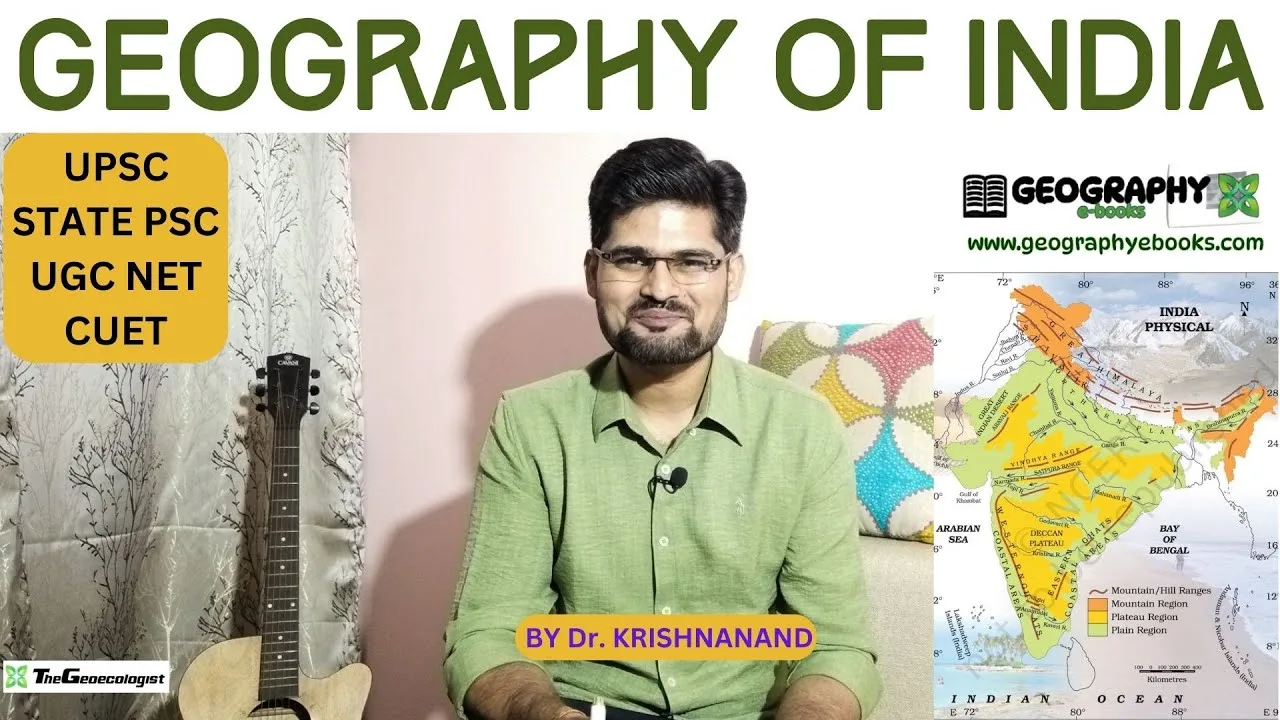
Geography of India- Dr.Krishnanand-TheGeoecologist #upsc2025

Geography of India- Dr.Krishnanand-TheGeoecologist #upsc2025
Exploring India’s Geographical Tapestry: A Comprehensive Guide by Dr. Krishnanand for UPSC 2025 Aspirants
India, a land of astounding diversity, is a mosaic of physical, cultural, and environmental wonders. For UPSC 2025 aspirants, understanding this complexity is pivotal. Dr. Krishnanand, renowned as thegeoecologist, curates the “Geography of India” lecture series, offering a structured pathway to decode the nation’s geographical intricacies. This article delves into the essence of his series and how it serves as an indispensable resource for competitive exam preparation.
Meet the Mentor: Dr. Krishnanand
With decades of academic and research expertise, Dr. Krishnanand simplifies India’s geography through engaging pedagogy. His YouTube channel, thegeoecologist, blends visual aids like maps, infographics, and case studies with analytical rigor, aligning perfectly with UPSC’s demand for conceptual clarity and current relevance.
Decoding the Lecture Series: Key Themes
1. Physical Geography: Landforms that Define a Nation
From the towering Himalayas to the fertile Indo-Gangetic plains and the mineral-rich Deccan Plateau, the series dissects India’s physiography. Aspirants gain insights into:
- Mountain Systems: Role in climate regulation and river systems.
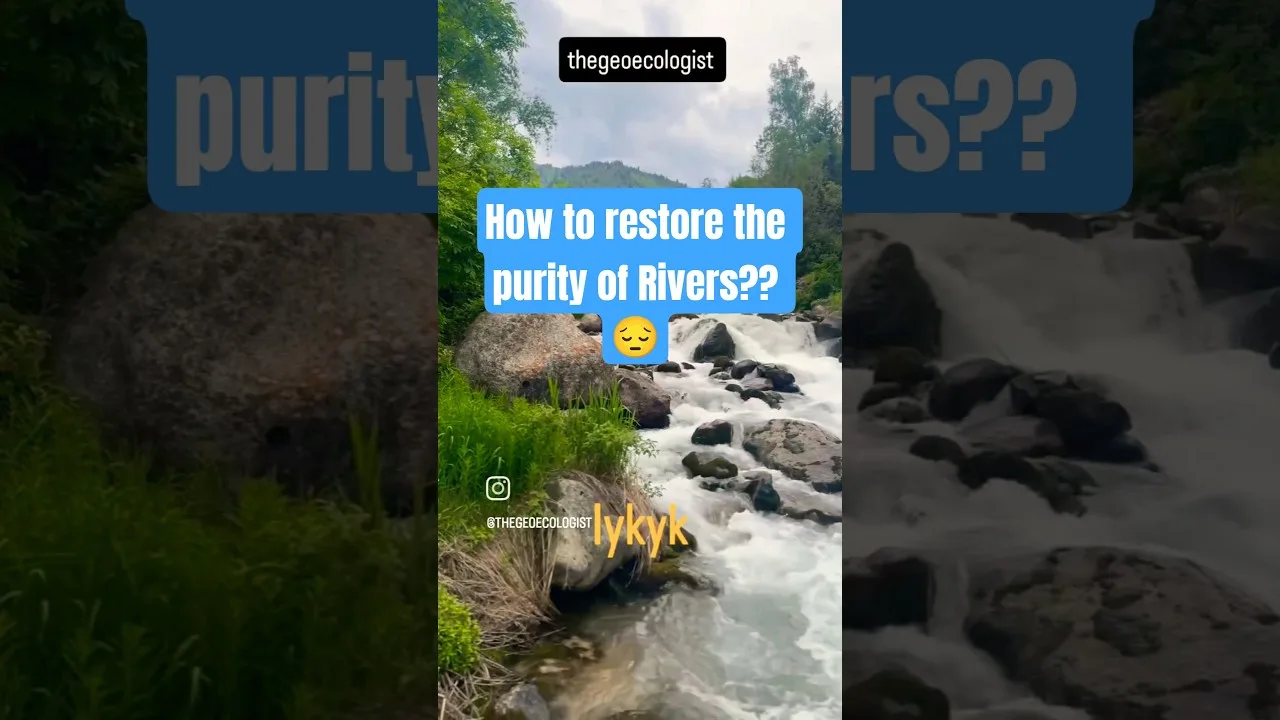
- Rivers & Plains: Their socio-economic significance and challenges like siltation.
- Coastal Dynamics: Impact of India’s 7,500-km coastline on trade and ecology.
2. Climate & Weather: Mastering Monsoons and Beyond
India’s agrarian economy hinges on monsoon vagaries. The series unravels:
- Climatic Zones: From tropical wet to arid deserts.
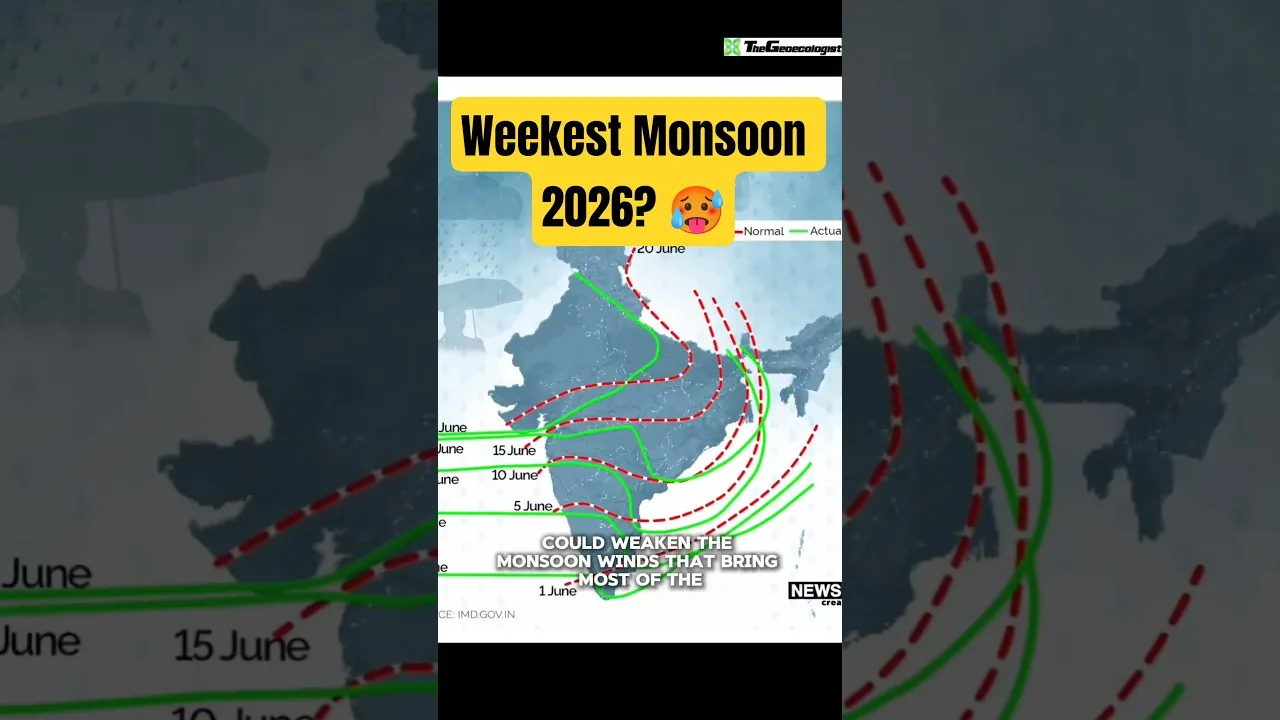
- Monsoon Mechanics: ENSO, jet streams, and their impact on agriculture.
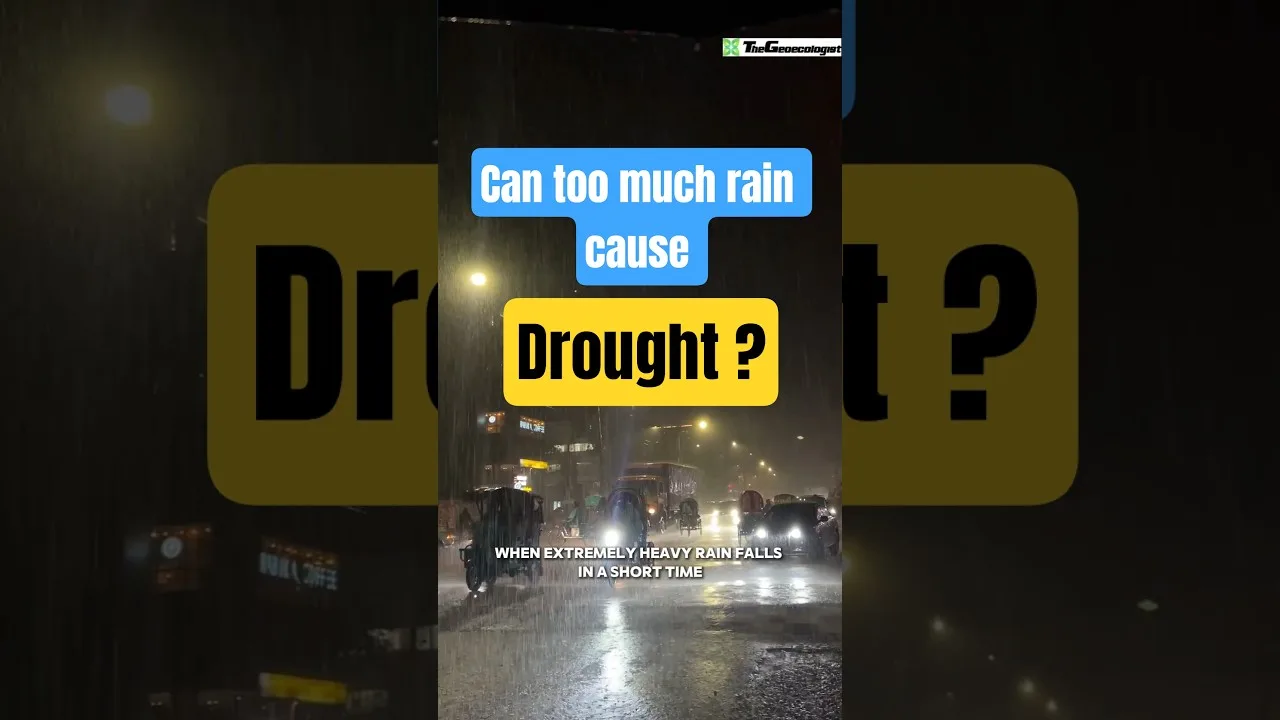
- Extreme Weather: Cyclones, droughts, and their socio-economic ramifications.
3. Natural Resources: Wealth Beneath the Surface
Modules on minerals, forests, and water resources address:
- Mineral Belts: Distribution of coal, iron, and rare earths.
- Biodiversity Hotspots: Conservation strategies for Western Ghats and Sundarbans.
- Water Management: Interlinking rivers, groundwater depletion, and sustainable practices.
4. Cultural Geography: People and Patterns
Demographics, urbanization, and cultural diversity are explored through:
- Population Dynamics: Migration trends and demographic dividend.
- Urban Challenges: Smart Cities Mission and urban sprawl.
- Cultural Landscapes: Linguistic, religious, and ethnic diversity.
5. Environmental Issues: Navigating Crises
Critical discussions on:
- Pollution: Air quality in Delhi, waste management.
- Deforestation: Causes and community-led solutions.
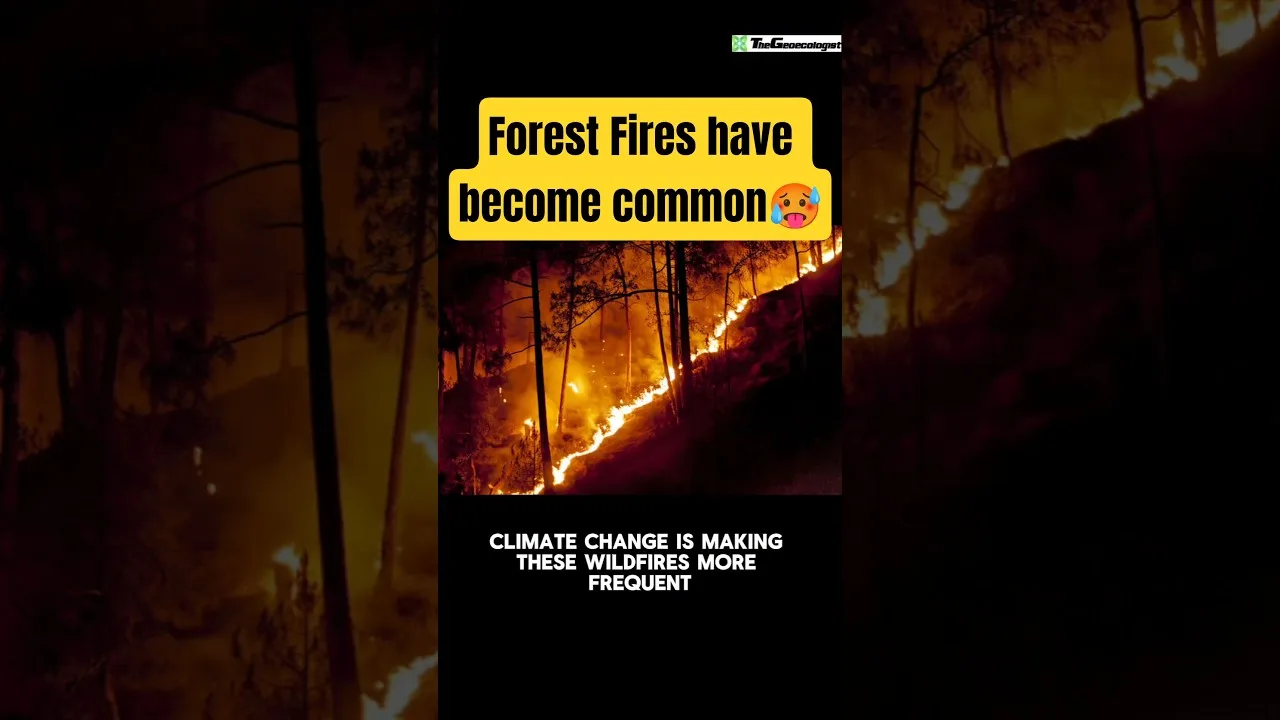
- Climate Change: Policy frameworks like NAPCC and India’s SDG commitments.
Why This Series is a Game-Changer for UPSC 2025?
- Syllabus Alignment: Covers GS Paper I (Geography) and overlaps with environment/ecology for Prelims and Mains.
- Data-Driven Learning: Uses statistical reports (e.g., India State of Forest Report) and GIS maps for answer enrichment.
- Current Affairs Integration: Links topics like Glacial Lake Outburst Floods (GLOFs) or National Clean Air Programme to real-time events.
Boost Your Prep: Engage with the Series
- Subscribe & Stay Updated: Click the bell icon on thegeoecologist YouTube Channel for weekly updates.
- Deepen Knowledge: Enroll in advanced courses on thegeoecologist.com for personalized mentorship.
- Join the Community: Follow on Instagram for quizzes, updates, and peer interactions.
Conclusion
For UPSC 2025 aspirants, mastering India’s geography is not just about memorization—it’s about connecting dots between physical landscapes, human interventions, and policy responses. Dr. Krishnanand’s series transforms this daunting task into an engaging journey. Subscribe today, and equip yourself with the tools to decode India’s past, present, and future through the lens of geography.
#GeographyOfIndia #UPSC2025 #DrKrishnanand
Keywords: UPSC Geography, Indian Physical Features, Monsoon Patterns, Environmental Policies, Cultural Diversity, thegeoecologist.
To Download E-Books & Study Material Visit The Shop Page