Blog
CUET PG Geography: Complete Guide to Applied Geography & Geoinformatics Course

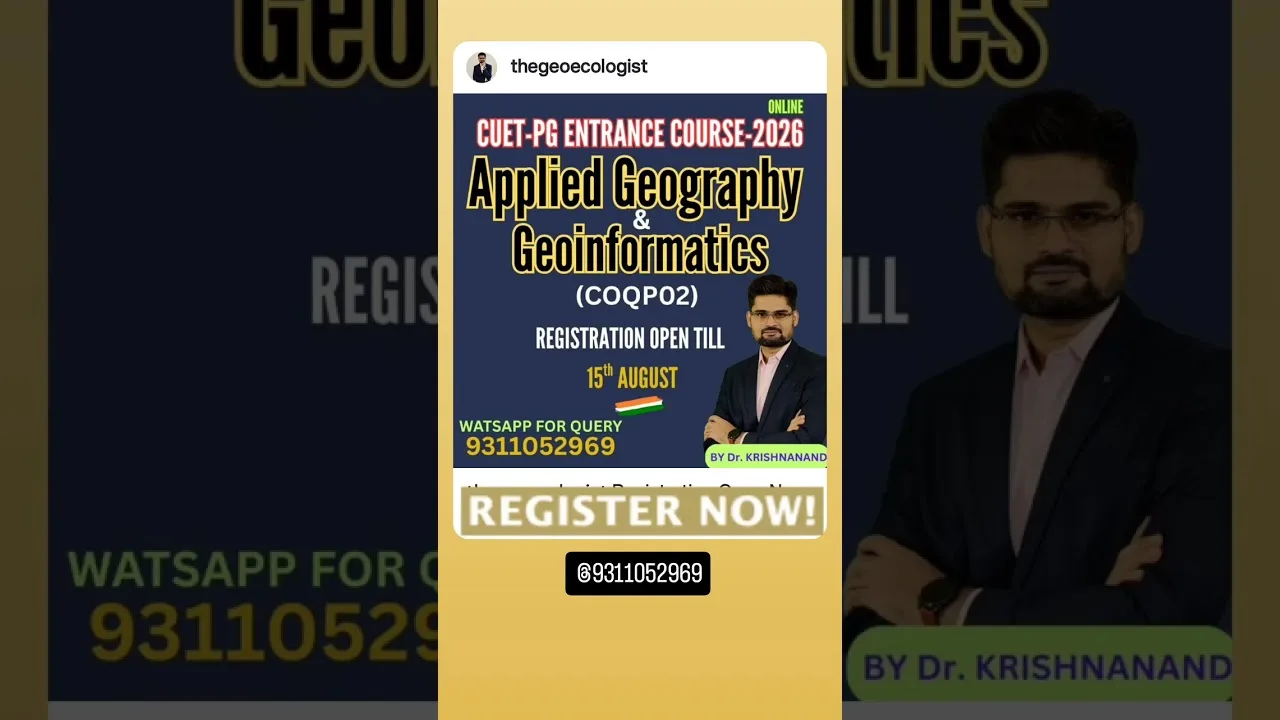
Table of Contents
- Understanding CUET PG Geography Examination Structure
- Syllabus Breakdown for CUET PG Geography
- Why Specialized Geoinformatics Training Matters for CUET PG Geography
- Core Geoinformatics Modules Covered
- Course Pedagogy and Learning Methodology
- Interactive Live Session Framework
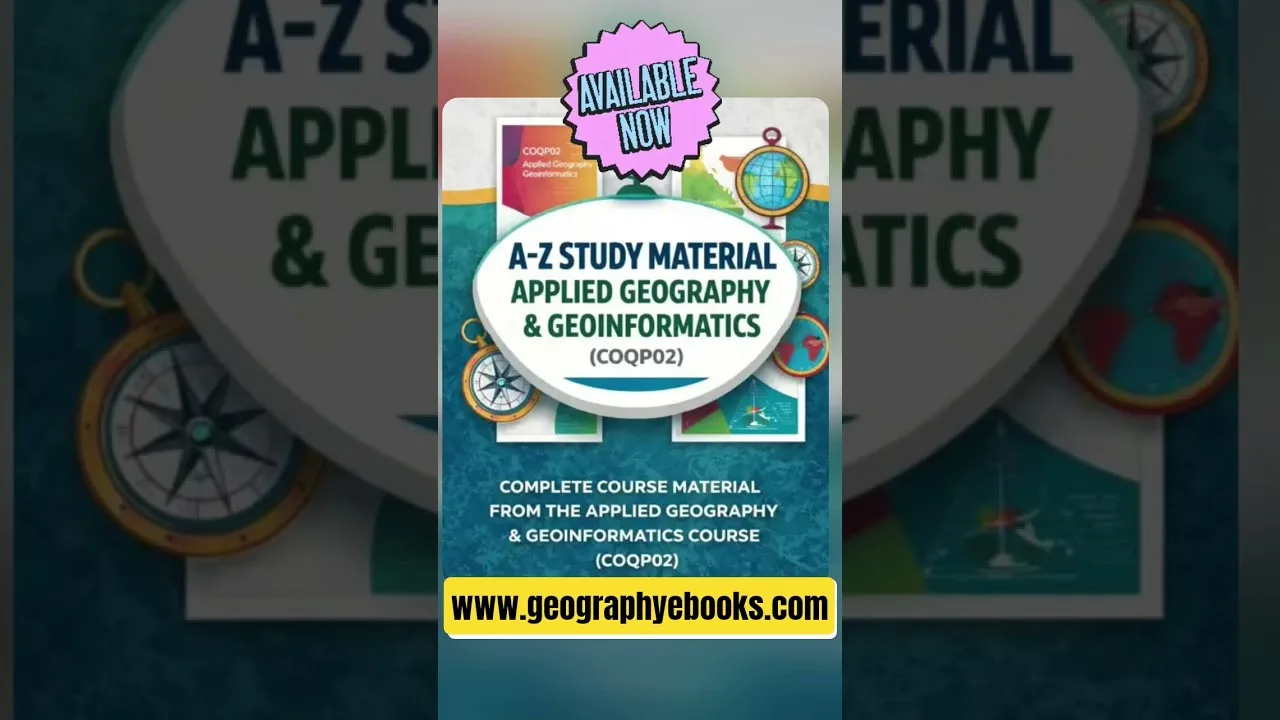
- Comprehensive Study Material Ecosystem
- Strategic Preparation Timeline for CUET PG Geography
- Month 1: Foundation Building (Weeks 1-4)
- Month 2: Applied Geography Deep Dive (Weeks 5-8)
- Month 3: Examination Readiness (Weeks 9-12)
- Final 2 Weeks: Consolidation and Peak Performance
- Faculty Expertise and Academic Credentials
- Teaching Philosophy
- Technology Platform and Accessibility Features
- Enrollment Process and Course Investment
- Career Trajectories After CUET PG Geography
- Success Stories and Alumni Testimonials
- Frequently Asked Questions About CUET PG Geography Preparation
- Is prior knowledge of GIS/Remote Sensing required for this course?
- How does this course differ from general geography coaching?
- Can working professionals manage this course alongside employment?
- Final Recommendations for CUET PG Geography Aspirants
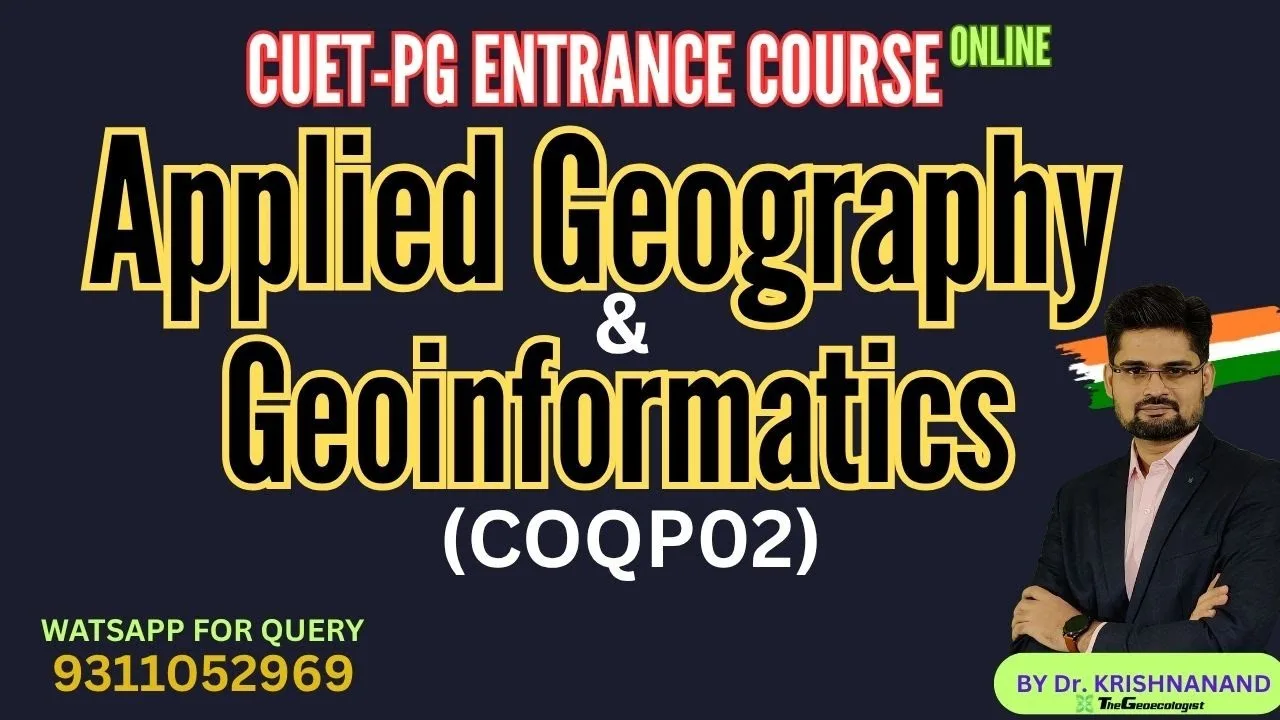
Preparing for CUET PG Geography requires a strategic approach, comprehensive study materials, and expert guidance to navigate the vast syllabus effectively. The Common University Entrance Test for Postgraduate programs has become the gateway to premier central universities across India, making thorough preparation essential for aspiring geographers and geoinformatics specialists. This detailed guide explores everything you need to know about the specialized Applied Geography & Geoinformatics course designed specifically for CUET PG aspirants.
- Course Duration: 3.5 months of intensive live online training
- Focus Areas: Applied Geography, GIS, Remote Sensing, and Spatial Analysis
- Delivery Mode: Interactive live sessions with doubt-clearing support
- Study Resources: Comprehensive notes, practice quizzes, and full-length mock tests
- Enrollment: Direct WhatsApp registration at 9311052969
Understanding CUET PG Geography Examination Structure
The CUET PG Geography examination follows a standardized pattern established by the National Testing Agency (NTA). According to the official CUET PG official website, the test comprises 75 multiple-choice questions carrying 300 marks, with a duration of 105 minutes. The syllabus encompasses both theoretical and applied aspects of geography, making it crucial for candidates to develop conceptual clarity across diverse topics including geomorphology, climatology, human geography, and increasingly, geoinformatics applications.
Syllabus Breakdown for CUET PG Geography
The examination syllabus is broadly categorized into Physical Geography, Human Geography, and Geographical Techniques. The Applied Geography & Geoinformatics course aligns meticulously with this structure, ensuring comprehensive coverage of:
- Geomorphological processes and landform analysis
- Climatology and oceanography fundamentals
- Population geography and settlement patterns
- Economic geography and resource management
- Geographical thought and contemporary paradigms
- Statistical methods in geographical analysis
- Remote sensing principles and satellite image interpretation
- Geographic Information Systems (GIS) applications
- Global Positioning System (GPS) and field survey techniques
Why Specialized Geoinformatics Training Matters for CUET PG Geography
Modern geography has evolved significantly with the integration of geospatial technologies. The CUET PG Geography syllabus now places substantial weightage on geoinformatics, reflecting the discipline’s transformation. According to recent examination trends, approximately 25-30% of questions directly or indirectly test knowledge of GIS, remote sensing, and spatial analysis techniques. This shift mirrors global academic standards where Geographic Information Systems have become fundamental to geographical research and application.
Core Geoinformatics Modules Covered
The course provides in-depth training across three critical geoinformatics domains:
Remote Sensing Fundamentals and Applications
Students master electromagnetic radiation principles, sensor types (passive and active), satellite platforms (Landsat, Sentinel, IRS series), and image interpretation techniques. Practical sessions cover vegetation indices (NDVI), water indices (NDWI), and land use/land cover classification methodologies essential for CUET PG Geography analytical questions.
Geographic Information Systems (GIS) Operations
Comprehensive coverage includes vector and raster data models, topology, spatial relationships, overlay analysis, buffer operations, network analysis, and 3D visualization. The curriculum emphasizes hands-on problem-solving using industry-standard workflows that translate directly to examination scenario-based questions.
Spatial Analysis and Modeling
Advanced topics cover spatial interpolation (IDW, Kriging), terrain analysis (DEM derivatives), suitability modeling, and spatial statistics (Moran’s I, Getis-Ord Gi*). These techniques frequently appear in CUET PG Geography as case study questions requiring applied understanding.
Course Pedagogy and Learning Methodology
The Applied Geography & Geoinformatics course employs a blended learning approach optimized for CUET PG Geography preparation. Live interactive sessions form the core, supplemented by recorded lectures for revision, creating a flexible learning ecosystem accommodating diverse schedules.
Interactive Live Session Framework
Each 90-minute live session follows a structured format: 45 minutes of concept delivery, 20 minutes of worked examples from previous years’ papers, 15 minutes of practice questions, and 10 minutes of doubt resolution. This format ensures active engagement while maintaining examination focus. Faculty members bring extensive experience from premier institutions including JNU, DU, and IITs, providing insights into question framing patterns and evaluation expectations.
Comprehensive Study Material Ecosystem
Enrolled students receive meticulously curated resources:
- Module-wise Notes: Condensed yet comprehensive coverage of each syllabus unit with diagrams, flowcharts, and memory aids
- Question Banks: 2,000+ MCQs categorized by topic, difficulty, and year, with detailed explanations
- Previous Year Papers: Fully solved papers from 2019-2024 with trend analysis
- Mock Test Series: 15 full-length simulated tests replicating actual exam interface and timing
- Geoinformatics Practical Guide: Step-by-step tutorials for GIS/RS concepts frequently tested
Strategic Preparation Timeline for CUET PG Geography
The 3.5-month course structure aligns with a scientifically designed preparation timeline:
Month 1: Foundation Building (Weeks 1-4)
Focus on core physical and human geography concepts, basic statistical methods, and introduction to geoinformatics. Daily 3-hour study schedule including 90-minute live session, 60-minute self-study, and 30-minute practice.
Month 2: Applied Geography Deep Dive (Weeks 5-8)
Intensive coverage of GIS, remote sensing, GPS, and spatial analysis. Practical problem-solving sessions using sample datasets. Integration of theoretical concepts with technical applications.
Month 3: Examination Readiness (Weeks 9-12)
Full-length mock tests every alternate day, detailed performance analysis, time management drills, and strategic revision of high-yield topics. Faculty-led discussion of mock test solutions with emphasis on error patterns.
Final 2 Weeks: Consolidation and Peak Performance
Rapid revision modules, formula/concept sheets, last-minute tips, and psychological preparation for exam day logistics.
Faculty Expertise and Academic Credentials
The course is delivered by a team of distinguished educators with proven track records in CUET PG Geography mentoring. Lead faculty members hold doctoral degrees from premier institutions and have authored standard reference texts adopted across university departments. Their combined experience spans 50+ years of postgraduate entrance coaching with consistent selection rates exceeding 65% into top central universities including Jawaharlal Nehru University, University of Delhi, Banaras Hindu University, and Jamia Millia Islamia.
Teaching Philosophy
The pedagogical approach emphasizes conceptual understanding over rote memorization. Faculty members integrate real-world case studies from environmental monitoring, urban planning, disaster management, and natural resource assessment—domains where geoinformatics applications are transforming decision-making. This applied perspective not only enhances examination performance but builds professional competency for future research and career opportunities.
Technology Platform and Accessibility Features
The learning management system (LMS) provides seamless access across devices with features designed for serious aspirants:
- Adaptive Streaming: Automatic quality adjustment for varying bandwidth conditions
- Offline Download: Recorded sessions available for offline viewing
- Progress Tracking: Detailed analytics on topic completion, quiz scores, and mock test trends
- Discussion Forums: Peer interaction and faculty-moderated doubt threads
- Mobile Application: Dedicated iOS and Android apps with push notifications for schedule updates
Enrollment Process and Course Investment
Registration for the Applied Geography & Geoinformatics course follows a streamlined process designed for accessibility:
- WhatsApp “Your Name & Location” to 9311052969 for registration details and fee structure
- Receive payment link and enrollment confirmation within 24 hours
- Gain immediate LMS access with orientation module and preliminary study materials
- Join the upcoming batch based on published schedule
The course fee structure offers exceptional value compared to traditional classroom coaching, with flexible payment options including installment plans. Early bird discounts and group enrollment benefits are periodically available. For recorded courses and additional resources, visit www.thegeoecologist.com.
Career Trajectories After CUET PG Geography
Success in CUET PG Geography opens diverse academic and professional pathways. Postgraduate geography programs at central universities lead to careers in:
- Academia & Research: PhD positions, assistant professorships, research associateships in geography departments and interdisciplinary centers
- Government Services: Indian Statistical Service, Indian Economic Service, planning commissions, environmental ministries, survey departments
- Geospatial Industry: GIS analyst, remote sensing specialist, spatial data scientist roles in organizations like ISRO, NRSC, ESRI, and private geospatial firms
- Development Sector: Program management, monitoring & evaluation, spatial planning for NGOs, international agencies (UNDP, World Bank projects)
- Environmental Consultancy: EIA specialists, climate change analysts, natural resource management consultants
The geoinformatics specialization particularly enhances employability in the rapidly expanding geospatial market, projected to reach $211 billion globally by 2030 according to industry reports.
Success Stories and Alumni Testimonials
Previous cohorts have demonstrated remarkable outcomes in CUET PG Geography. The 2023 batch achieved a 72% qualification rate for central university admissions, with 15 students securing top-50 ranks nationally. Alumni frequently attribute success to the course’s geoinformatics emphasis, which differentiated their preparation from conventional approaches. Testimonials highlight the mock test series’ accuracy in reflecting actual examination difficulty and the faculty’s availability for personalized guidance during critical preparation phases.
Frequently Asked Questions About CUET PG Geography Preparation
Is prior knowledge of GIS/Remote Sensing required for this course?
No, the course assumes no prior technical background. Geoinformatics modules begin with fundamental concepts and progress systematically to advanced applications, ensuring all students develop required competencies regardless of their undergraduate specialization.
How does this course differ from general geography coaching?
Unlike generic geography coaching, this program specifically targets the CUET PG Geography syllabus with dedicated geoinformatics modules comprising 35% of instructional time. The faculty’s specialization in applied geography and geospatial technologies provides depth unavailable in generalist programs.
Can working professionals manage this course alongside employment?
Yes, the flexible schedule with recorded session access, weekend intensive options, and mobile learning platform accommodates working professionals. Many successful candidates have balanced preparation with full-time commitments through disciplined time management.
Final Recommendations for CUET PG Geography Aspirants
Cracking CUET PG Geography demands more than content mastery—it requires strategic preparation aligned with examination patterns, consistent practice under timed conditions, and expert mentorship to avoid common pitfalls. The Applied Geography & Geoinformatics course by TheGeoecologist provides this comprehensive ecosystem, combining academic rigor with examination-focused delivery. With limited seats per batch ensuring personalized attention, early enrollment is recommended to secure your place in the upcoming cohort.
Your journey toward postgraduate geography education at India’s premier universities begins with a single step. Connect with the course coordinators today via WhatsApp at 9311052969 or explore additional resources at the official website. The next batch commences soon—transform your CUET PG Geography aspirations into achievement with structured, expert-guided preparation.
Frequently Asked Questions
The course spans 3.5 months with live online sessions, comprehensive study materials, and regular mock tests designed specifically for CUET PG Geography preparation.
Yes, the course includes dedicated modules on GIS operations, remote sensing principles, spatial analysis, and hands-on problem-solving using industry-standard workflows relevant to CUET PG Geography.
WhatsApp your name and location to 9311052969 for registration details, or visit www.thegeoecologist.com for recorded courses and additional resources.