Blog
Weathering: Types and Characteristics| Denudational Process-1 | Geomorphology | Dr. Krishnanand

Weathering: Types and Characteristics| Denudational Process-1 | Geomorphology | Dr. Krishnanand
Weathering: Types and Characteristics | Denudational Processes in Geomorphology
Introduction
Weathering is a fundamental denudational process in geomorphology that breaks down rocks and minerals at or near the Earth’s surface. It plays a crucial role in shaping landscapes and preparing materials for erosion and transportation. Understanding weathering is essential for geography students, particularly those preparing for competitive exams like UPSC (General Studies Paper-1). This article explores the types and characteristics of weathering, simplifying key concepts based on the detailed lecture by Dr. Krishnanand, founder of TheGeoecologist.
What is Weathering?
Weathering refers to the in-situ (on-site) disintegration and decomposition of rocks due to physical, chemical, and biological processes. Unlike erosion, which involves the movement of weathered materials, weathering occurs without any significant transport.
Factors Influencing Weathering
Several factors control the rate and type of weathering:
- Rock Type: Some rocks (like limestone) are more prone to chemical weathering.
- Climate: Moisture and temperature significantly impact weathering.
- Topography: Steep slopes may enhance physical weathering, while flat regions favor chemical processes.
- Vegetation: Roots contribute to biological weathering, while organic acids intensify chemical breakdown.
Types of Weathering
Weathering can be classified into three main types:
1. Physical (Mechanical) Weathering
Involves the breakdown of rocks without changing their chemical composition.
Processes:
- Frost Wedging: Water seeps into cracks, freezes, and expands, breaking rocks apart.
- Thermal Expansion & Contraction: Repeated heating and cooling cause rock layers to weaken and exfoliate.
- Unloading (Pressure Release): Overlying rocks erode, reducing pressure and causing the lower rocks to expand and crack.
- Salt Crystallization: Salt deposits in rock pores expand, applying stress.
2. Chemical Weathering
Alters the rock’s chemical structure, often decomposing it into new minerals.
Processes:
- Hydrolysis: Water reacts with minerals (e.g., feldspar turning into clay).
- Oxidation: Oxygen reacts with iron-rich minerals, forming rust (e.g., hematite).
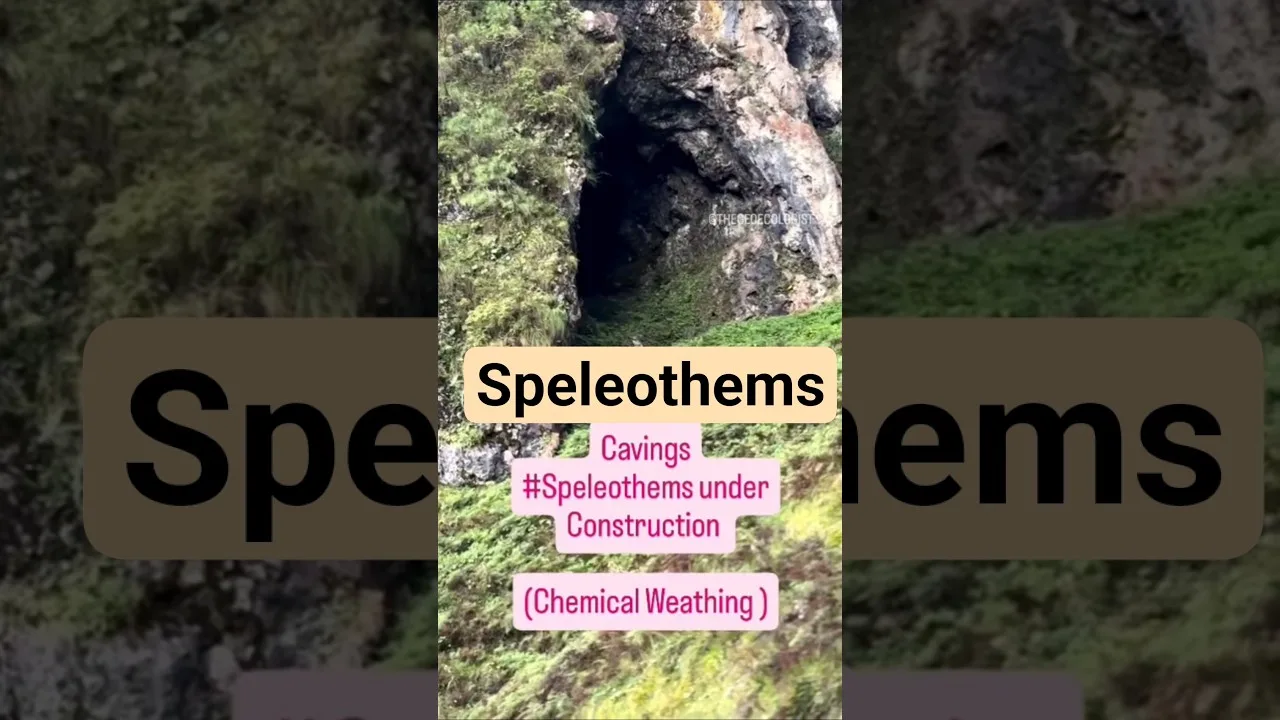
- Carbonation: Carbon dioxide dissolves in water to form carbonic acid, dissolving limestone.
- Hydration: Minerals absorb water, expanding and weakening the rock.
3. Biological Weathering
Living organisms contribute to rock breakdown.
Examples:
- Plant roots growing into cracks.
- Burrowing animals loosening soil and rocks.
- Microbial activity producing organic acids.
Importance of Weathering
- Soil Formation: Weathering breaks rocks into soil particles.
- Landform Development: Creates unique features like tors, karst landscapes, and exfoliation domes.
- Nutrient Release: Essential minerals are made available for ecosystems.
For more detailed explanations, check out Dr. Krishnanand’s video on Weathering: Types and Characteristics or refer to the Simplified Geomorphology E-book.
Conclusion
Weathering is a vital denudational process shaping Earth’s landscapes. By understanding its types and mechanisms, geography aspirants (especially UPSC candidates) can better comprehend geomorphological transformations.
Stay updated with more geography content by subscribing to TheGeoecologist YouTube Channel. Follow them on Instagram and visit their Website for study resources.
#geography #weathering #geomorphology
Note: This article is based on insights from Dr. Krishnanand’s lecture. For a deeper dive into geomorphology, refer to his comprehensive e-book.
To Download E-Books & Study Material Visit The Shop Page