Blog
Sponge Cities- Cities for Future-Sustainable City #shorts

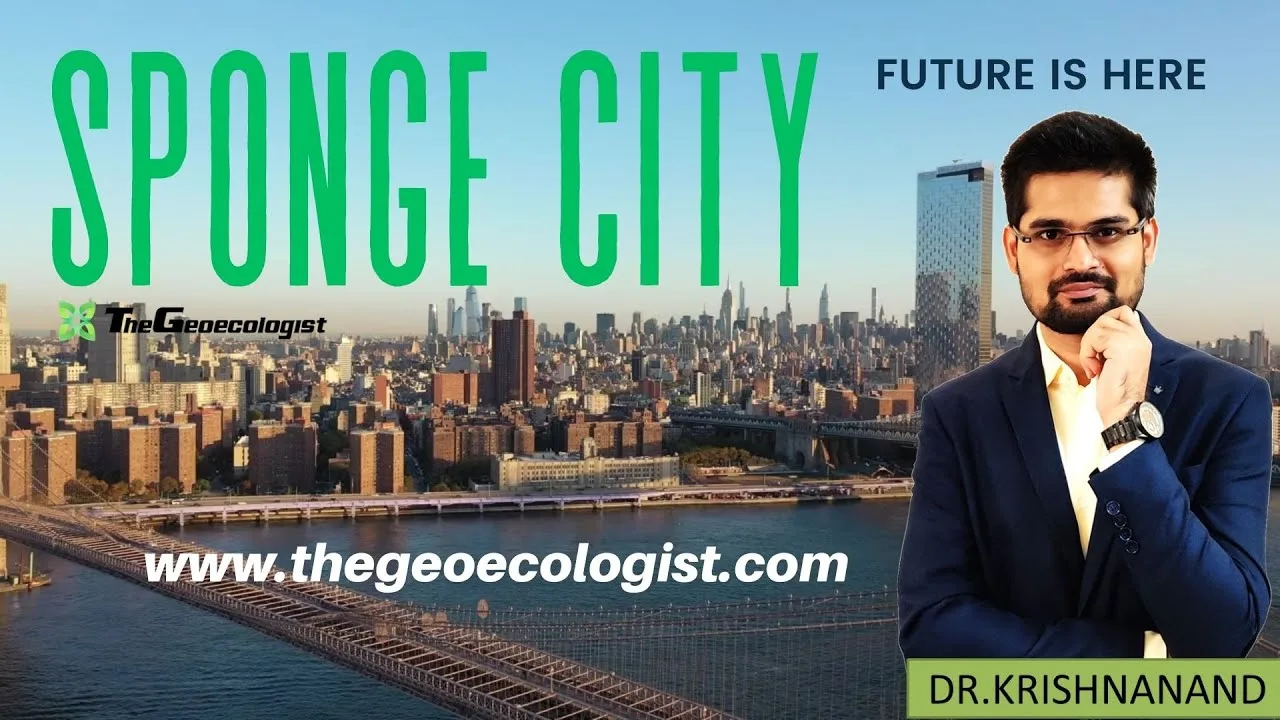
Sponge Cities- Cities for Future-Sustainable City #shorts
Sponge Cities: Building Sustainable and Livable Urban Futures
As climate change intensifies and urbanization accelerates, cities worldwide face dual challenges: devastating floods and crippling water scarcity. Enter the concept of Sponge Cities—a revolutionary approach to urban design that transforms concrete jungles into resilient, water-sensitive ecosystems. By mimicking nature’s ability to absorb and reuse rainwater, these cities promise a sustainable future where urban areas thrive in harmony with their environment. Let’s explore five innovative features that make sponge cities a blueprint for 21st-century urban resilience.
1. Permeable Pavement: Paving the Way for Groundwater Recharge
Traditional concrete and asphalt surfaces repel rainwater, causing destructive runoff. Sponge cities combat this with permeable pavements made of porous materials like pervious concrete or interlocking grid pavers. These surfaces allow rainwater to seep into the ground, replenishing aquifers, reducing flood risks, and filtering pollutants. Streets, parking lots, and sidewalks become part of the solution, not the problem.
2. Green Roofs and Walls: Urban Jungles That Breathe
Imagine skyscrapers draped in lush vegetation. Green roofs and walls are integral to sponge cities, turning buildings into active participants in water management. Plants on rooftops and vertical surfaces absorb rainwater, slowing stormwater flow and reducing strain on drainage systems. Beyond flood control, these green spaces cool buildings, cut energy costs, and create habitats for pollinators, boosting urban biodiversity.
3. Rainwater Harvesting: Every Drop Counts
Why let precious rainwater go to waste? Sponge cities deploy rainwater harvesting systems to capture and store runoff for non-potable uses. Collected water irrigates parks, flushes toilets, or cleans streets, easing demand on municipal supplies. In water-scarce regions, this feature is a game-changer, turning rainfall into a reliable secondary resource and fostering a circular water economy.
4. Sustainable Drainage Systems (SuDS): Nature’s Filters
Gone are the days of sterile concrete channels. Sponge cities embrace Sustainable Drainage Systems (SuDS), such as bioswales, ponds, and constructed wetlands. These landscape features mimic natural waterways, absorbing and purifying stormwater. They not only prevent flooding but also enhance water quality by filtering out contaminants, while creating serene green spaces for communities to enjoy.
5. Flood-Resilient Infrastructure: Staying Afloat in Crisis
Climate change brings extreme weather, but sponge cities are built to adapt. Flood-resilient infrastructure—raised roads, underground storage tanks, and movable barriers—ensures cities remain functional during heavy rains. By strategically managing excess water, these systems protect homes, businesses, and critical infrastructure, minimizing disruption and accelerating recovery post-disaster.
Conclusion: A Sustainable Blueprint for Tomorrow’s Cities
Sponge cities are more than a technical fix—they represent a paradigm shift in urban living. By integrating nature-based solutions with smart engineering, they address flooding, water scarcity, and habitat loss simultaneously. These cities are not just survivable; they’re livable, offering cleaner air, cooler temperatures, and greener spaces for residents. As climate threats grow, sponge cities stand as a testament to human ingenuity, proving that sustainability and resilience can go hand in hand.
Join the movement for smarter urban futures. #spongecity #sustainablecity #livablecity
VISIT OUR WEBSITE FOR PAID ONLINE GEOGRAPHY COURSES: https://thegeoecologist.com/
Keen to dive deeper into urban sustainability? Subscribe to THEGEOECOLOGIST for expert insights on geography, planning, and building resilient communities.
To Download E-Books & Study Material Visit The Shop Page