Blog
Geography of South Asia -South Asian Realm -Geoecologist

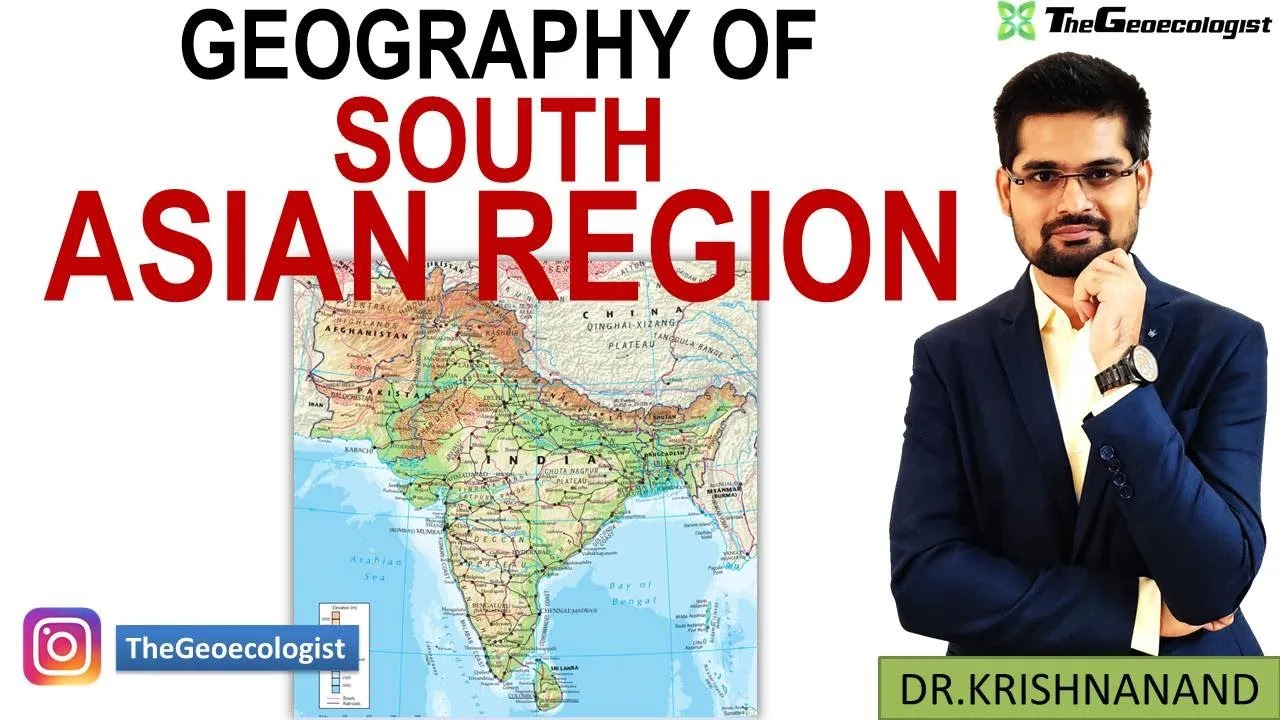
Geography of South Asia -South Asian Realm -Geoecologist
Exploring the Geography of South Asia: A Comprehensive Guide for UPSC and Competitive Exams
South Asia, a dynamic and diverse realm, is a critical area of study in regional geography. Encompassing countries like India, Pakistan, Bangladesh, Nepal, Bhutan, Sri Lanka, and the Maldives, this region is characterized by its unique physical, cultural, and geopolitical landscapes. For UPSC aspirants and geography enthusiasts, understanding South Asia’s geography is essential for mastering competitive exams. Here’s a structured overview of key concepts, aligned with insights from Dr. Krishnanand’s educational video on TheGeoecologist YouTube channel.
Physical Geography: The Foundation of South Asia
Mountain Systems:
- The Himalayas, the world’s highest mountain range, act as a climatic barrier, influencing monsoon patterns and forming the northern boundary of the region.
- The Hindu Kush and Karakoram ranges further define the northwest, while the Vindhya and Satpura ranges partition peninsular India.
River Systems:
- Major rivers like the Ganges, Indraprastha, and Brahmaputra sustain agriculture in the fertile Indo-Gangetic Plains, a hub of population and economic activity.
- Peninsular rivers such as the Godavari and Krishna drain into the Bay of Bengal, supporting the Deccan Plateau’s agrarian economy.
- Coastal and Island Geography:
- Sri Lanka and the Maldives feature tropical coastlines and coral ecosystems, while India’s western and eastern coasts are marked by bustling ports and biodiverse mangroves (e.g., the Sundarbans).
Climate: The Monsoon Dominance
South Asia’s climate is governed by the seasonal monsoon, with summer rains critical for agriculture. Regional variations include:
- Tropical wet climates in coastal and northeastern areas.
- Arid conditions in Pakistan’s Thar Desert.
- Highland climates in Nepal and Bhutan.
Understanding monsoon variability is vital for addressing challenges like floods and droughts.
Human and Cultural Geography
- Demographics:
- Home to over 1.8 billion people, South Asia is one of the most densely populated regions globally. India alone accounts for ~1.4 billion.
- Cultural Diversity:
- A mosaic of religions (Hinduism, Islam, Buddhism), languages, and traditions. Festivals like Diwali and Eid reflect this pluralism.
- Urbanization:
- Megacities like Mumbai, Dhaka, and Karachi face issues of overcrowding and infrastructure strain.
Economic Activities
- Agriculture:
- The Green Revolution transformed crop yields, but reliance on monsoon rains persists. Major crops include rice, wheat, and tea.
- Industry and Services:
- India’s IT hubs (Bengaluru, Hyderabad) and Pakistan’s textile industry drive economic growth.
Environmental Challenges
- Deforestation: Rapid urbanization threatens forests in the Western Ghats and Himalayan foothills.
- Water Scarcity: Over-extraction of groundwater and river pollution (e.g., Yamuna, Ganges) are pressing concerns.
- Climate Change: Glacial melt in the Himalayas and rising sea levels endanger coastal communities.
Geopolitical Context
- Regional Organizations:
- SAARC (South Asian Association for Regional Cooperation) aims to foster collaboration, though political tensions often hinder progress.
- Strategic Issues:
- India-Pakistan conflicts over Kashmir, China’s Belt and Road Initiative in Pakistan (CPEC), and maritime disputes in the Indian Ocean.
Why is South Asia Important for UPSC?
- Themes in Exams: Questions often focus on monsoon mechanisms, transboundary river disputes, demographic dividends, and regional security.
- Case Studies: The Sundarbans (biodiversity vs. climate change), Himalayan glaciology, and urbanization trends are recurring topics.
Conclusion
Mastering the geography of South Asia requires a holistic approach, integrating physical landscapes with socio-economic and political dynamics. For deeper insights, watch Dr. Krishnanand’s video on Geography of South Asia and explore simplified explanations tailored for UPSC aspirants.
Enhance your preparation:
- 📸 Follow us on Instagram
- 🌐 Visit TheGeoecologist Website
- ▶️ Subscribe to THEGEOECOLOGIST YouTube Channel for perks and updates.
regionalgeography #southasia #southasianregion
Keywords: Geography of South Asia, UPSC Geography Optional, Regional Geography, South Asian Realm, TheGeoecologist
This article synthesizes key concepts from Dr. Krishnanand’s lecture, offering a strategic resource for exam success. Dive into the video for visual learning and detailed case studies! 🌍📚
To Download E-Books & Study Material Visit The Shop Page