Blog
Ganga River System- Ganga & Its Tributaries #thegeoecologist

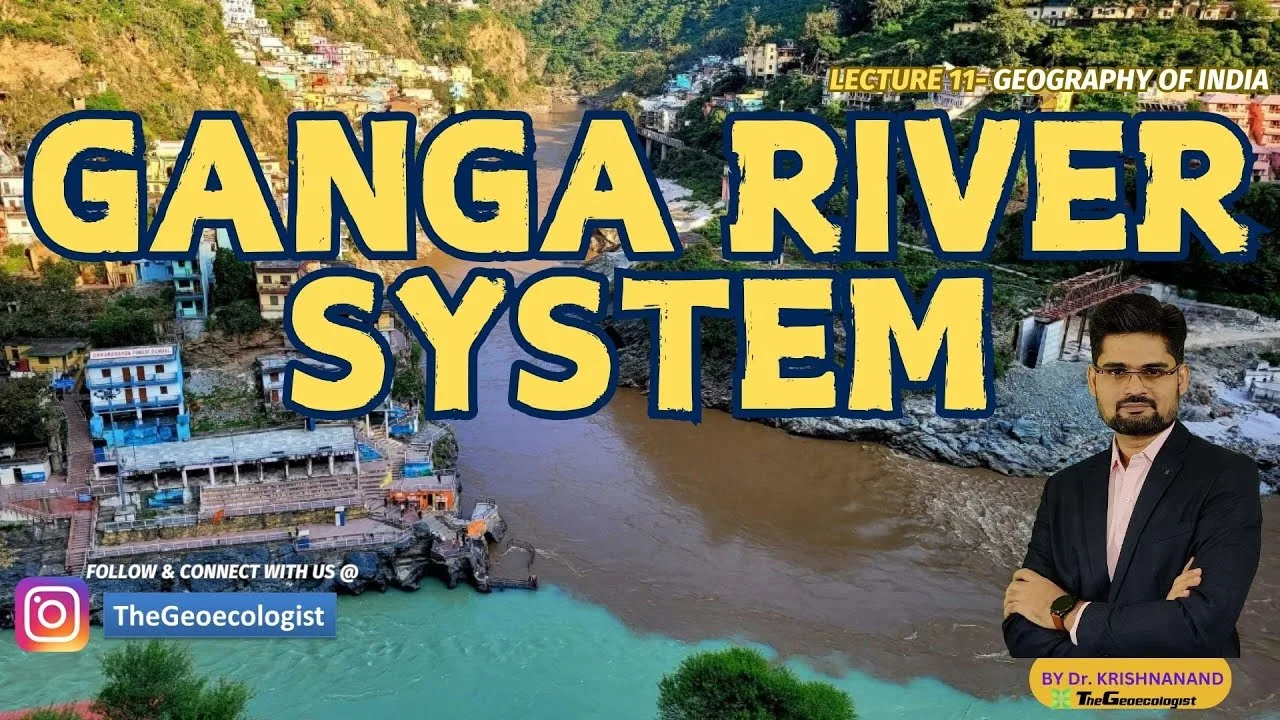
Ganga River System- Ganga & Its Tributaries #thegeoecologist
The Ganga River System: A Lifeline of India
The Ganga River System is one of the most significant river systems in the world, revered for its geographical, cultural, and ecological importance. Originating from the Gangotri Glacier in the Himalayas, the Ganga flows over 2,500 kilometers before merging into the Bay of Bengal. Its extensive network of tributaries and its role in shaping the lives of millions make it a subject of immense interest for geographers, environmentalists, and competitive exam aspirants. In this article, we delve into the origin, journey, tributaries, and significance of the Ganga River System, inspired by Dr. Krishnanand’s insightful videos on The Geoecologist channel.
🌊 The Origin and Journey of the Ganga
The Ganga River begins its journey at Gangotri Glacier in Uttarakhand, situated at an elevation of about 3,900 meters. Known as the Bhagirathi at its source, the river is later joined by the Alaknanda at Devprayag, forming the Ganga. From here, the river flows through the fertile plains of northern India, passing key cities like Haridwar, Kanpur, Allahabad, Varanasi, and Patna. It eventually bifurcates into the Hooghly River (flowing towards Kolkata) and the Padma River (enters Bangladesh), finally emptying into the Bay of Bengal.
The Ganga’s journey is not just a geographical phenomenon but also a cultural odyssey. It is considered sacred by millions of Hindus, who believe that bathing in its waters cleanses sins and leads to salvation.
🌍 Major Tributaries of the Ganga
The Ganga River System is fed by numerous tributaries, each contributing to its flow and ecological richness. Here’s a breakdown of the major tributaries:
Yamuna
- Origin: Yamunotri Glacier (Uttarakhand)
- Joins Ganga at: Prayagraj (Allahabad)
- Significance: The longest and most prominent tributary, it flows through Delhi, Agra, and Mathura, supporting agriculture and urban centers.
Son
- Origin: Amarkantak Plateau (Madhya Pradesh)
- Joins Ganga at: Patna (Bihar)
- Significance: Known for its fertile alluvial plains.
Ghaghra
- Origin: Tibetan Plateau (Himalayas)
- Joins Ganga at: Chhapra (Bihar)
- Significance: Carries substantial water and sediment, enriching the plains.
Gandak
- Origin: Nepal-Tibet border
- Joins Ganga at: Sonepur (Bihar)
- Significance: Forms a natural boundary between India and Nepal.
Kosi
- Origin: Tibet (Himalayas)
- Joins Ganga at: Kursela (Bihar)
- Significance: Known as the "Sorrow of Bihar."
- Chambal
- Origin: Vindhya Range (Madhya Pradesh)
- Joins Yamuna at: Etawah (Uttar Pradesh)
- Significance: Famous for its ravines and wildlife, including the Gharial crocodile.
📌 Geographical, Cultural, and Ecological Significance
Geographical Significance
The Ganga River System drains a vast basin covering approximately 1 million square kilometers. It supports agriculture in the fertile Indo-Gangetic plains, which are among the most productive regions in the world.
Cultural Significance
The Ganga is deeply intertwined with Indian culture and spirituality. It is central to Hindu rituals, festivals, and traditions. Cities like Varanasi, Haridwar, and Rishikesh are pilgrimage sites attracting millions annually.
Ecological Significance
The Ganga Basin is home to diverse flora and fauna, including endangered species like the Ganges River Dolphin and the Gharial. The river also supports wetlands and forests, which are crucial for biodiversity.
🚩 Historical and Modern Challenges
Despite its importance, the Ganga faces numerous challenges:
- Pollution: Industrial waste, sewage, and religious offerings have severely polluted the river.
- Over-extraction of Water: Excessive use for agriculture and urbanization has reduced its flow.
- Climate Change: Melting glaciers and erratic rainfall patterns threaten its sustainability.
Efforts like the Namami Gange Programme aim to rejuvenate the river by addressing pollution and promoting sustainable practices.
🎯 Why Study the Ganga River System?
For UPSC aspirants, state exam candidates, and geography enthusiasts, understanding the Ganga River System is crucial. It is a recurring topic in exams due to its multifaceted significance. Dr. Krishnanand’s videos on The Geoecologist provide comprehensive coverage, simplifying complex concepts with visuals, maps, and easy-to-follow explanations.
🌟 Subscribe and Explore More
To delve deeper into the Ganga River System and other geography topics, subscribe to The Geoecologist YouTube channel. Explore playlists on hydrology, landforms, and geography courses designed for UPSC, UGC NET, and academic studies. Visit The Geoecologist website for study materials and online courses.
The Ganga River System is not just a river; it is a lifeline, a cultural symbol, and an ecological treasure. By understanding its intricacies, we can contribute to its preservation and ensure its legacy for future generations.
TheGeoecologist #GangaRiverSystem #Geography #UPSC #Hydrology #Ecology #CompetitiveExams
To Download E-Books & Study Material Visit The Shop Page