Blog
Indus River & Its Tributaries -TheGeoecologist

Indus River & Its Tributaries -TheGeoecologist
Exploring the Indus River & Its Tributaries: A Comprehensive Guide
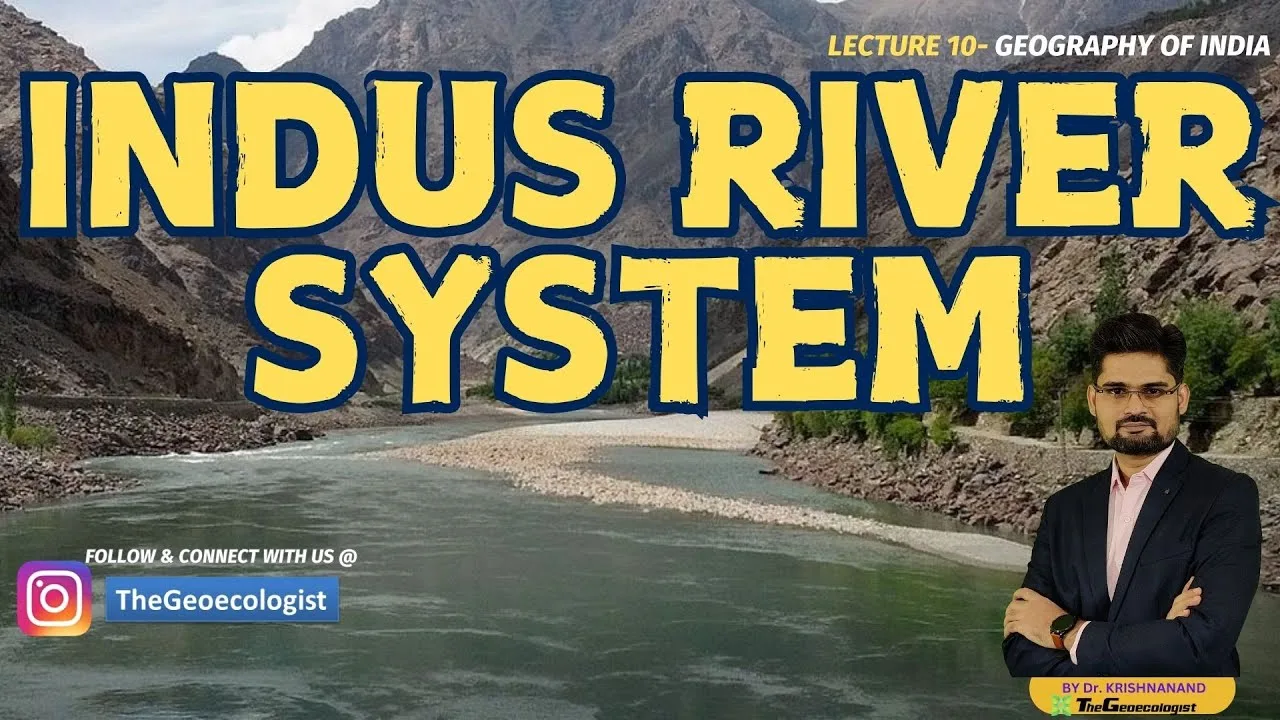
Welcome to TheGeoecologist Channel! In this video, we delve into the Indus River and its tributaries, one of the most significant river systems in South Asia. Whether you’re a UPSC aspirant, a geography student, or simply someone interested in understanding the geography of India in detail, this lecture is crafted to provide you with essential insights and knowledge.
What You Will Learn in This Video
Origin, Course, and Drainage Pattern of the Indus River
The Indus River, often referred to as the lifeline of South Asia, originates from the Tibetan Plateau near Lake Mansarovar. It flows through the Himalayas, crosses into India, and then traverses through Pakistan before finally emptying into the Arabian Sea. Its drainage pattern is a testament to its immense geographical and hydrological importance.Detailed Insights into Its Major Tributaries
The Indus River is fed by several significant tributaries, each contributing to its flow and shaping the landscape of the region. Key tributaries include:- Jhelum River: Known for its historical and agricultural significance in the Kashmir Valley.
- Chenab River: The largest tributary of the Indus, known for its role in irrigation and hydroelectric power generation.
- Ravi River: A vital source of water for agriculture in the Punjab region.
- Beas River: Famous for its scenic beauty and contribution to irrigation projects.
- Sutlej River: One of the longest tributaries, crucial for agriculture and hydropower.
Geographical and Hydrological Significance of the Indus Basin
The Indus Basin is one of the largest river basins in the world, supporting millions of people through its water resources. Its hydrological significance lies in its role in agriculture, irrigation, and hydropower generation, making it a cornerstone of the region’s economy.Cultural, Historical, and Economic Importance
The Indus River System has been the cradle of ancient civilizations, including the Indus Valley Civilization, one of the world’s earliest urban cultures. Today, it remains a critical resource for India and Pakistan, influencing agriculture, industry, and geopolitics.- Important Facts for Competitive Exams
This video also covers key facts and concepts essential for competitive exams like UPSC, State PCS, and UGC-NET. From the importance of the Indus Water Treaty to its geographical features, this lecture simplifies complex topics for effective preparation.
Why the Indus River System Matters
The Indus River System is not just a geographical feature; it is a lifeline for millions and a foundation for ancient civilizations and modern geopolitics. This video simplifies the subject, making it easy for students and aspirants to grasp key concepts and prepare effectively for their exams.
Join Us for More Educational Content
📘 Subscribe to TheGeoecologist for more educational content on geography, environment, and related topics.
📝 Like, Share, and Comment to let us know your thoughts and feedback!
#IndusRiver #IndusRiverSystem #GeographyOfIndia
Resources for Aspiring Geographers
🌐 Online Geography Courses (UPSC/UGC-NET): thegeoecologist.com
📚 Study Materials: geographybooks.com
📧 Updates: Email us at krishna.geography@gmail.com
Stay Connected
📸 Follow us on Instagram: @thegeoecologist
🔔 Join our YouTube Channel for exclusive perks: Join Here
Don’t forget to take notes and revise, as this is a critical topic for geography and competitive exams. Happy learning! 🌏📖
To Download E-Books & Study Material Visit The Shop Page