Blog
Glacial Lake Outburst Floods- GLOFs-TheGeoecologist #shorts

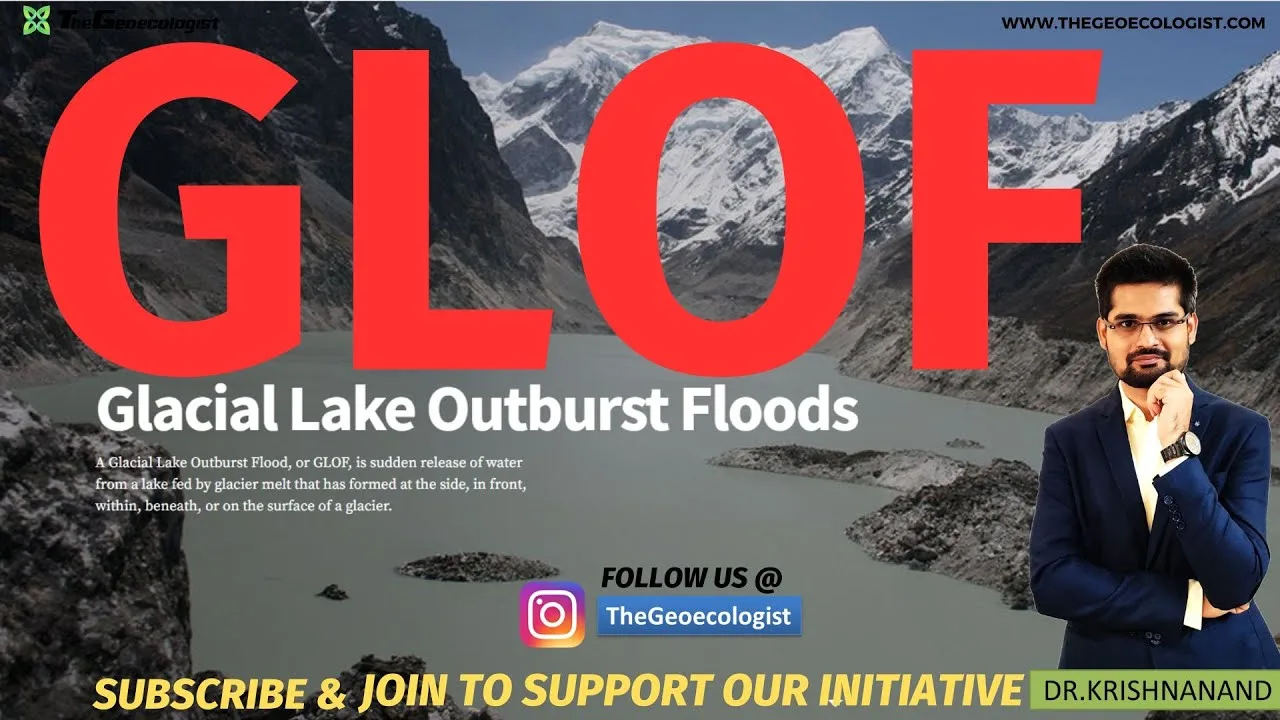
Glacial Lake Outburst Floods- GLOFs-TheGeoecologist #shorts
Understanding Glacial Lake Outburst Floods (GLOFs): A Vital Topic for UPSC Geography Aspirants
Glacial Lake Outburst Floods (GLOFs) are catastrophic natural phenomena that pose significant risks to mountain communities and ecosystems. For UPSC Civil Services Examination (CSE) aspirants, particularly those opting for Geography Optional, understanding GLOFs is crucial for tackling questions related to physical geography, disaster management, and climate change.
What Are GLOFs?
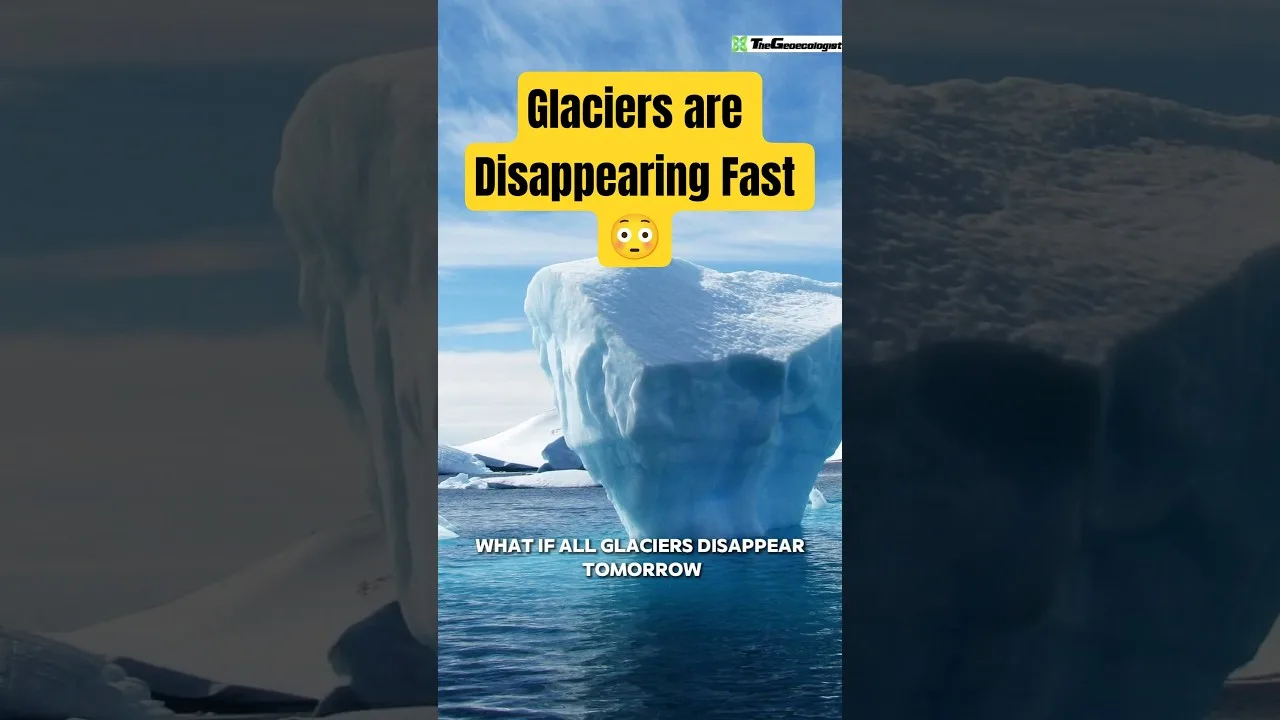
GLOFs occur when water stored in glacial lakes—formed by melting glaciers—is suddenly released due to the failure of natural dams (e.g., moraines or ice). Triggered by events like glacial calving, earthquakes, or excessive meltwater pressure, these floods unleash massive volumes of water, debris, and ice downstream, causing widespread destruction.
Causes of GLOFs
- Glacial Retreat: Climate change accelerates glacier melt, expanding glacial lakes and increasing the risk of dam breaches.
- Moraine Dam Instability: Loose sediment and ice forming the lake’s dam can collapse under pressure or seismic activity.
- Extreme Weather: Heavy rainfall or rapid snowmelt can overfill lakes, leading to overflow or dam failure.
Impacts of GLOFs
- Human and Economic Loss: Flash floods destroy infrastructure, agriculture, and settlements in vulnerable valleys.
- Ecological Damage: Sudden sediment deposition alters river ecosystems and biodiversity.
- Long-term Risks: Climate change exacerbates glacial melt, raising the frequency of GLOFs in regions like the Himalayas.
Mitigation and Management
- Early Warning Systems: Monitoring lake levels and seismic activity helps issue timely alerts.
- Structural Measures: Controlled drainage, artificial lowering of lake levels, and reinforcing dams.
- Policy Interventions: Integrating GLOF risk reduction into national disaster management frameworks.
Relevance to UPSC CSE
GLOFs are a key topic in Paper I (Physical Geography) and Paper II (Environmental Issues) of the Geography Optional syllabus. Questions often focus on成因, impacts, and mitigation strategies. Additionally, disaster management (GS Paper III) demands an understanding of GLOFs as climate-related hazards.
Learn with TheGeoecologist
Dr. Krishnanand, founder of TheGeoecologist, simplifies complex concepts like GLOFs through engaging video lectures tailored for UPSC aspirants. His expertise helps learners grasp topics holistically, aligning with exam requirements.
Enhance Your Preparation:
- Watch detailed videos on THEGEOECOLOGIST YouTube Channel.
- Explore online courses at TheGeoecologist Website.
- Follow on Instagram for daily geography updates.
GLOFs exemplify the intersection of geography and contemporary environmental challenges. For UPSC aspirants, mastering this topic strengthens answers with real-world examples and interdisciplinary insights.
#glof #glaciallake #disastermanagement
Join THEGEOECOLOGIST community to access exclusive resources and expert guidance for your UPSC journey! 🌍
To Download E-Books & Study Material Visit The Shop Page