Blog
Drainage Systems in India: Himalayan & Peninsular Drainage #thegeoecologist

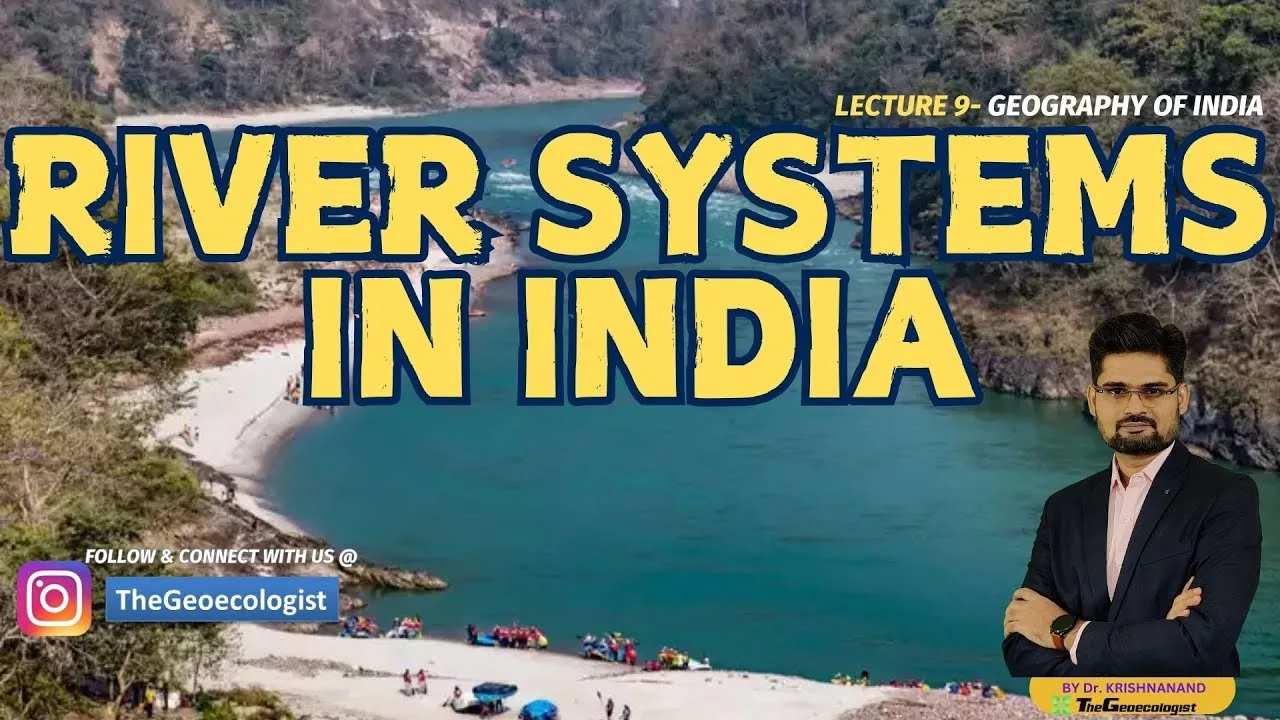
Drainage Systems in India: Himalayan & Peninsular Drainage #thegeoecologist
Drainage Systems in India: Himalayan & Peninsular Drainage | The Geoecologist 🌍
Welcome to The Geoecologist! In this article, we will explore the intricate drainage systems of India, focusing on the contrasting characteristics of the Himalayan and Peninsular drainage systems. India’s diverse geography is shaped significantly by its rivers, which play a crucial role in its ecology, economy, and cultural heritage. Let’s dive into the fascinating world of India’s rivers and understand their significance.
🌊 The Himalayan Drainage System
The Himalayan rivers originate from the towering Himalayas, the youngest mountain range in the world. These rivers are perennial, meaning they flow throughout the year, fed by both rainfall and melting glaciers. Here are the key features of the Himalayan drainage system:
- Perennial Flow: The Himalayan rivers, such as the Ganga, Brahmaputra, and Indus, are fed by snowmelt and monsoon rains, ensuring a continuous water supply.
- High Sediment Load: These rivers carry vast amounts of sediment due to their steep gradients and erosion in the mountains, contributing to the fertile plains of North India.
- Youthful Stage: Himalayan rivers are in their youthful stage, characterized by deep gorges, steep valleys, and rapid flow.
- Dendritic Drainage Pattern: Most Himalayan rivers exhibit a dendritic (tree-like) drainage pattern, where tributaries join the main river at acute angles.
- Significant Rivers:
- Ganga: India’s most sacred river, originating from Gangotri Glacier.
- Brahmaputra: Originates in Tibet, flows through Arunachal Pradesh and Assam, and joins the Ganga in Bangladesh.
- Indus: Originates in Tibet, flows through Jammu & Kashmir, and enters Pakistan.
🏞️ The Peninsular Drainage System
The Peninsular rivers originate in the ancient Deccan Plateau and are primarily rain-fed, making them seasonal in nature. These rivers are older and have reached a mature stage, characterized by gentle gradients and broad valleys. Here are the key features of the Peninsular drainage system:
- Seasonal Flow: Peninsular rivers, such as the Godavari, Krishna, and Kaveri, depend largely on monsoon rains and often dry up during summer.
- Mature Stage: These rivers are in their mature stage, with well-developed floodplains and meandering courses.
- Varied Drainage Patterns: Peninsular rivers exhibit diverse drainage patterns, including trellis, radial, and rectangular, depending on the geological structure.
- Less Sediment Load: Compared to Himalayan rivers, Peninsular rivers carry less sediment due to their gentler gradients and older age.
- Significant Rivers:
- Godavari: The longest river in Peninsular India, often called the "Dakshin Ganga."
- Krishna: The second-longest Peninsular river, known for its extensive basin.
- Kaveri: A major river in South India, vital for agriculture in Tamil Nadu and Karnataka.
🗺️ Comparison of Drainage Patterns
The drainage patterns of India’s rivers are influenced by the topography and geology of the region. Here’s a quick comparison:
- Dendritic: Found in Himalayan rivers; resembles the branches of a tree.
- Trellis: Common in Peninsular regions like the Satpura and Vindhya ranges; tributaries join the main river at right angles.
- Radial: Seen in rivers originating from isolated high points, such as the Amarkantak Plateau.
- Rectangular: Found in regions with jointed rocks, where rivers follow fault lines.
💧 Significance of India’s Drainage Systems
India’s rivers are the lifeline of its people, shaping its geography, ecology, and economy. Here’s how:
- Agriculture: The fertile plains of the Ganga, Brahmaputra, and Peninsular rivers support extensive agriculture, ensuring food security.
- Hydropower: Himalayan rivers with their steep gradients are ideal for generating hydroelectric power, contributing to India’s energy needs.
- Ecology: Rivers like the Ganga and Brahmaputra sustain diverse ecosystems, including wetlands and wildlife habitats.
- Cultural and Religious Importance: Rivers like the Ganga and Kaveri hold immense spiritual significance, influencing India’s cultural fabric.
- Regional Development: Rivers facilitate trade, transport, and urbanization, promoting economic growth in their basins.
📌 Why Study India’s Drainage Systems?
Understanding the drainage systems of India is essential for:
- UPSC Aspirants: A critical topic in Geography for both Prelims and Mains.
- Geography Enthusiasts: Deepens knowledge of India’s physical and cultural landscapes.
- Students: Helps in competitive exams and academic studies.
✨ Stay Ahead with The Geoecologist!
For more in-depth articles, videos, and study materials on Geography and the environment, visit our website: https://thegeoecologist.com.
📖 Don’t forget to like, share, and subscribe to our YouTube channel The Geoecologist for engaging content on geography, environment, and competitive exam preparation. Follow us on Instagram @thegeoecologist for daily updates and insights.