Blog
UGC NET Challenges: Navigating the Assistant Professor Journey in India


Table of Contents
- Understanding UGC NET Challenges in Indian Academia
- The Weight of Exam Pressure
- Systemic Gaps and Transparency Issues
- Uncertainty Beyond the Exam
- Isolation and Mental Struggles
- Building a Community of Hope
- Normalize Struggles: Know You're Not Alone
- Push for Change: Highlight Systemic Flaws to Advocate Reform
- Foster Solidarity: Create a Support Network of Peers Who Understand
- Your Roadmap Ahead: Actionable Strategies
- Expert UGC NET Preparation Tips
- Actionable Guidance for Assistant Professor Interviews
- Answer-Writing Strategies and Research Methodologies
- Final Thoughts
Navigating the UGC NET challenges that define the academic landscape in India requires resilience, strategy, and community support. For thousands of aspirants dreaming of becoming an Assistant Professor, the path is littered with obstacles that extend far beyond mastering a syllabus. This comprehensive guide explores the systemic, emotional, and logistical hurdles faced by candidates and offers actionable insights to overcome them.
- Exam Pressure: The UGC NET is a high-stakes gateway with vast syllabi, unpredictable patterns, and intense competition leading to burnout.
- Systemic Gaps: Bureaucratic delays, opaque evaluation, and transparency issues erode trust in the academic recruitment system.
- Post-Exam Uncertainty: Clearing the exam doesn’t guarantee job security; temporary contracts and fierce competition for permanent roles create financial instability.
- Mental Health Struggles: Isolation, imposter syndrome, and lack of mentorship contribute to anxiety and depression among aspirants.
- Community as Solution: Platforms like TheGeoecologist foster solidarity, normalize struggles, and advocate for systemic reform through shared experiences.
Understanding UGC NET Challenges in Indian Academia
The dream of securing a position as an Assistant Professor in India’s higher education system is fueled by a passion for knowledge and a desire to shape future generations. Yet, the journey from aspirant to academician is fraught with UGC NET challenges that test not just intellectual capacity but emotional fortitude. According to data from the National Testing Agency (NTA), over 12 lakh candidates registered for the UGC NET December 2023 cycle, highlighting the sheer scale of competition. UGC NET challenges delves deep into the multifaceted struggles faced by aspirants and provides a roadmap for navigating them successfully.
The Weight of Exam Pressure
The UGC NET challenges begin with the examination itself. The test demands exhaustive preparation across a vast syllabus covering both general aptitude and subject-specific knowledge. Many aspirants grapple with multiple attempts due to unpredictable question patterns, shifting cut-off marks, and the mental toll of balancing rigorous studies with personal responsibilities, part-time jobs, or family obligations.
A 2022 study published in the Indian Journal of Psychological Medicine found that 68% of competitive exam aspirants in India reported symptoms of burnout, with 42% experiencing clinically significant anxiety. The pressure intensifies with each unsuccessful attempt, creating a cycle of self-doubt that can derail even the most dedicated candidates. The exam’s structure—two papers conducted in a single three-hour window—requires not just knowledge but exceptional time management and stress regulation skills.
Systemic Gaps and Transparency Issues
Beyond the examination hall, UGC NET challenges manifest as systemic inefficiencies. Aspirants frequently report bureaucratic delays in certificate processing, opaque guidelines for evaluation, and inconsistent marking schemes. Concerns about fairness in the appointment process—ranging from allegations of favoritism to outright corruption in some institutional recruitment drives—further erode trust in the system.
The University Grants Commission (UGC) has introduced several reforms in recent years, including the online grievance redressal portal and mandatory disclosure of answer keys. However, implementation remains inconsistent across universities and colleges. A 2023 report by the University Grants Commission acknowledged that only 62% of sanctioned faculty positions across central universities were filled, pointing to structural bottlenecks that exacerbate aspirant frustration.
Uncertainty Beyond the Exam
Clearing the UGC NET or securing a Junior Research Fellowship (JRF) is a significant milestone, but UGC NET challenges is not the terminus. The UGC NET challenges evolve into a new set of uncertainties: job security remains elusive for many. Temporary contractual positions, delayed interview schedules, and fierce competition for permanent roles create prolonged financial instability.
PhD scholars face an additional layer of pressure—the “publish or perish” culture without adequate institutional support for research funding, laboratory access, or mentorship. According to the All India Survey on Higher Education (AISHE) 2021-22, the pupil-teacher ratio in higher education stands at 26:1, indicating a significant faculty deficit. Yet, the conversion rate from qualified candidates to appointed faculty remains low due to frozen recruitment, litigation, and administrative delays.
Isolation and Mental Struggles
Perhaps the most underdiscussed of the UGC NET challenges is the profound isolation many aspirants experience. The preparation journey is often solitary, marked by long hours in libraries or rooms, disconnected from peers and social support systems. Lack of mentorship, inadequate access to updated resources, and the stigma surrounding mental health in academic circles leave many feeling stranded.
Anxiety, depression, and imposter syndrome are common companions. A survey conducted by the Indian Psychiatric Society in 2021 revealed that 1 in 3 research scholars reported depressive symptoms, yet fewer than 15% sought professional help. The cultural expectation to “persevere silently” compounds the problem, making UGC NET challenges critical to create safe spaces for dialogue and support.
Building a Community of Hope
These UGC NET challenges are not signs of individual weakness—they are systemic issues demanding collective action. Platforms like TheGeoecologist are amplifying real, unfiltered stories from aspirants across the country. By sharing experiences—whether it’s exam nightmares, battles with red tape, or personal mental health struggles—aspirants contribute to three critical outcomes:
Normalize Struggles: Know You’re Not Alone
When aspirants see their own challenges reflected in others’ stories, the shame and isolation dissolve. Normalization is the first step toward resilience. It transforms “I am failing” into “This is hard, and many face it.” This cognitive shift is empirically supported: a 2020 study in the Journal of Educational Psychology found that students who perceived academic struggles as common and temporary showed 23% higher persistence rates.
Push for Change: Highlight Systemic Flaws to Advocate Reform
Collective voices carry weight. Documented patterns of bureaucratic delays, evaluation inconsistencies, and recruitment irregularities can be presented to regulatory bodies like the UGC and NTA as evidence for policy reform. The National Education Policy (NEP) 2020 emphasizes transparency and merit-based recruitment—grassroots advocacy helps hold institutions accountable to these ideals.
Foster Solidarity: Create a Support Network of Peers Who Understand
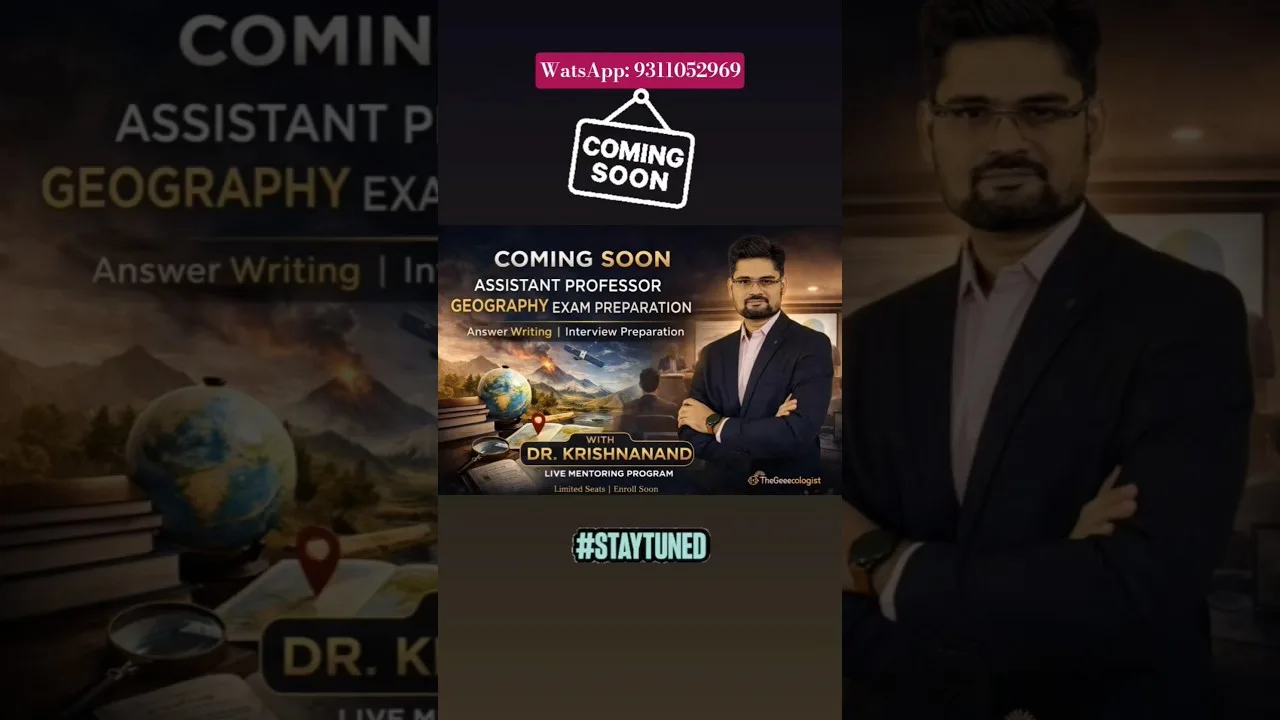
Peer networks provide practical value: resource sharing, study strategies, interview preparation tips, and emotional support. TheGeoecologist’s community initiatives—including comment threads, live sessions, and upcoming mentoring programs—transform isolated aspirants into a connected cohort navigating the same terrain.
Your Roadmap Ahead: Actionable Strategies
To help you navigate these UGC NET challenges with clarity and confidence, here is a structured roadmap:
Expert UGC NET Preparation Tips
- Syllabus Mapping: Break down the official NTA syllabus into micro-topics. Allocate time based on weightage and personal proficiency.
- Previous Year Papers: Solve at least 10 years of question papers to identify patterns, recurring themes, and high-yield areas.
- Mock Test Regimen: Simulate exam conditions weekly. Analyze errors categorically—conceptual gaps, careless mistakes, time management issues.
- Subject-Specific Depth: For Geography aspirants, focus on geomorphology, climatology, human geography, and statistical methods—consistently high-weightage units.
Actionable Guidance for Assistant Professor Interviews
- Research Presentation: Prepare a 10-minute talk on your PhD or master’s research, highlighting methodology, findings, and future directions.
- Teaching Philosophy: Articulate a clear, student-centric teaching philosophy with examples of pedagogical innovations you’d implement.
- Domain Awareness: Stay updated on NEP 2020, UGC regulations, and current debates in higher education (e.g., FYUP, credit frameworks, digital universities).
Answer-Writing Strategies and Research Methodologies
- Structure: Introduction → Body (arguments with evidence) → Conclusion → Way Forward.
- Interdisciplinary Links: Connect geography concepts to economics, sociology, environmental science, and policy.
- Data Integration: Use Census, NSSO, NFHS, and satellite data to substantiate arguments.
- Citation Discipline: Master APA/MLA styles; use reference managers like Zotero or Mendeley.
Final Thoughts
Academia isn’t just about qualifications; it’s about perseverance, integrity, and community. The UGC NET challenges you face today are real, valid, and shared by thousands. By acknowledging the cracks in the system and lifting each other up, we can transform these obstacles into catalysts for change. Your voice matters—use it. Share your story in the comments below. Follow TheGeoecologist for expert preparation tips, interview guidance, and updates on the upcoming Live Mentoring Program exclusively for Assistant Professor Geography aspirants. Together, let’s redefine academia in India.
Frequently Asked Questions
The biggest UGC NET challenges include intense exam pressure due to vast syllabi and unpredictable patterns, systemic gaps like bureaucratic delays and transparency issues, post-exam uncertainty with temporary contracts and scarce permanent positions, and mental health struggles such as isolation, anxiety, and imposter syndrome.
Aspirants can overcome mental health challenges by joining supportive communities like TheGeoecologist, normalizing conversations about stress, seeking professional counseling when needed, maintaining work-life balance during preparation, and practicing mindfulness techniques to manage exam anxiety.
No, clearing UGC NET or securing JRF is a qualifying milestone, not a job guarantee. Aspirants still face UGC NET challenges like competitive interviews, contractual positions, delayed recruitments, and fierce competition for permanent faculty roles across universities and colleges.