Blog
Shubhanshu Shukla Space: Axiom Mission 4 Historic Launch Details


https://www.youtube.com/watch?v=boB1P3hUVIg
Table of Contents
- Shubhanshu Shukla Space Journey: From Indian Air Force to ISS
- Training and Preparation
- Axiom Mission 4: Crew Composition and International Collaboration
- Launch Vehicle and Spacecraft Details
- Scientific Objectives and Research Portfolio
- Microgravity Research
- Life Sciences and Human Research
- Advanced Technology Testing
- Educational Outreach and STEM Inspiration
- Significance for India's Space Program
- Gaganyaan Program Synergies
- Commercial Space Sector Development
- Mission Timeline and Key Milestones
- Commercial Spaceflight Context: Axiom Space and NASA Partnership
- Previous Axiom Missions
- Live Coverage and Public Engagement
- Future Implications and Next Steps
- India-US Space Cooperation
- Commercial Station Development
- Gaganyaan Program Acceleration
- Conclusion
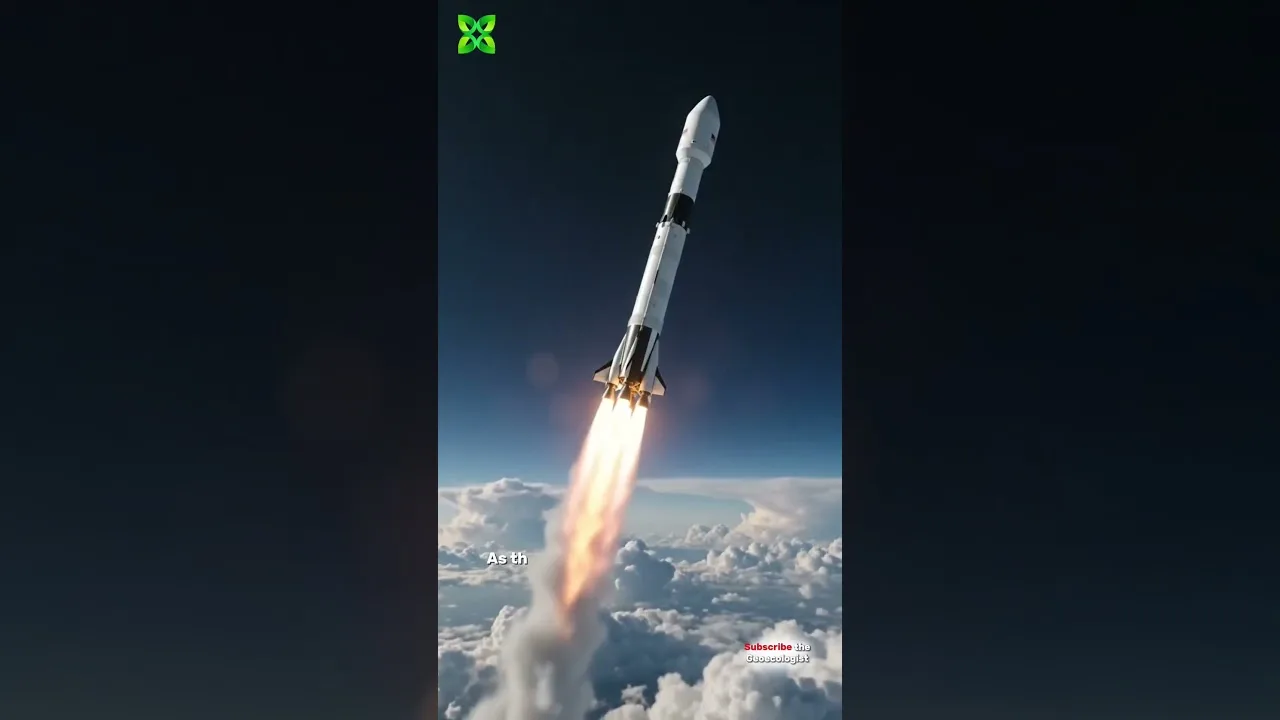
Shubhanshu Shukla space history was written on June 25, 2025, when the SpaceX Falcon 9 rocket lifted off from Launch Complex 39A at NASA’s Kennedy Space Center in Florida, carrying the Axiom Mission 4 (Ax-4) crew toward the International Space Station. This commercial mission, operated by Axiom Space in partnership with NASA and SpaceX, marks a significant milestone for India’s growing presence in human spaceflight as Group Captain Shubhanshu Shukla becomes the second Indian citizen to visit the ISS after Rakesh Sharma’s 1984 Soyuz T-11 mission.
- Historic Launch: Ax-4 launched at 2:31 AM EDT (6:31 UTC) on June 25, 2025, from Kennedy Space Center’s historic Launch Complex 39A
- Indian Representation: Group Captain Shubhanshu Shukla (Indian Air Force) serves as mission pilot, becoming India’s second space traveler
- Multinational Crew: Four astronauts from India, Poland, Hungary, and the United States conducting 60+ experiments
- Mission Duration: Approximately 14 days aboard the ISS with focus on microgravity research, life sciences, and technology demonstrations
- Commercial Milestone: Fourth private astronaut mission to ISS, advancing NASA’s low Earth orbit commercialization strategy
Shubhanshu Shukla Space Journey: From Indian Air Force to ISS
Group Captain Shubhanshu Shukla space credentials reflect an extraordinary career trajectory. Born in Lucknow, Uttar Pradesh, Shukla graduated from the National Defence Academy and was commissioned into the Indian Air Force in 2006. As a test pilot with over 2,000 flying hours across multiple aircraft types including the Su-30 MKI, MiG-21, and MiG-29, he brings exceptional operational experience to the Ax-4 mission. His selection by the Indian Space Research Organisation (ISRO) for the Gaganyaan program’s astronaut corps in 2022 positioned him perfectly for this commercial spaceflight opportunity.
Training and Preparation
The Shubhanshu Shukla space training regimen encompassed intensive preparation across multiple continents. Following his selection for Ax-4 in 2023, Shukla completed:
- SpaceX Crew Dragon systems training at SpaceX headquarters in Hawthorne, California
- ISS systems and payload operations training at NASA Johnson Space Center in Houston
- International partner training at the European Astronaut Centre in Cologne, Germany
- Gaganyaan-specific training at ISRO’s Human Space Flight Centre in Bengaluru
- Survival training, Russian language instruction, and spacewalk (EVA) familiarization
This comprehensive preparation ensures Shukla can effectively operate Crew Dragon systems, conduct scientific research, and respond to contingency scenarios during the mission.
Axiom Mission 4: Crew Composition and International Collaboration
The Ax-4 mission exemplifies the new era of international space cooperation. Commanded by former NASA astronaut Peggy Whitson (Axiom Space), the crew includes:
| Astronaut | Role | Nationality/Affiliation |
|---|---|---|
| Peggy Whitson | Commander | USA / Axiom Space |
| Shubhanshu Shukla | Pilot | India / ISRO |
| Sławosz Uznański-Wiśniewski | Mission Specialist | Poland / ESA |
| Tibor Kapu | Mission Specialist | Hungary / HUNOR |
This diverse crew represents a NASA vision for commercial low Earth orbit destinations where multiple nations can access microgravity research capabilities without maintaining independent space station programs.
Launch Vehicle and Spacecraft Details
The mission utilizes SpaceX’s flight-proven Falcon 9 Block 5 rocket (booster B1085, on its third flight) and Crew Dragon C213 “Freedom” capsule. The launch sequence followed standard Falcon 9 profile:
- T-0: Liftoff from LC-39A
- T+2:33: First stage separation
- T+2:41: Second stage ignition
- T+7:45: First stage landing on droneship “A Shortfall of Gravitas”
- T+12:00: Crew Dragon separation from second stage
- T+28:00: Nosecone open sequence
- ~28 hours: Autonomous docking to ISS Harmony module forward port
Scientific Objectives and Research Portfolio
The Ax-4 crew will execute over 60 scientific experiments and technology demonstrations during their approximately 14-day stay. Research areas include:
Microgravity Research
Fluid dynamics, combustion physics, and materials science experiments leverage the unique microgravity environment. Notable investigations include protein crystallization for pharmaceutical development and alloy solidification studies for advanced manufacturing.
Life Sciences and Human Research
Biomedical experiments focus on understanding physiological adaptations to spaceflight. The crew will conduct cognitive performance assessments, cardiovascular monitoring, and microbiome analysis. Shukla’s participation provides valuable data on Indian astronaut physiology, complementing ISRO’s Gaganyaan program requirements. – a key consideration for Shubhanshu Shukla space.
Advanced Technology Testing
Technology demonstrations include:
- Next-generation life support systems for future commercial stations
- Advanced communication terminals testing laser-based data links
- Autonomous robotic assistants for intravehicular operations
- Radiation shielding materials evaluation
Educational Outreach and STEM Inspiration
A significant mission component involves live educational events connecting the crew with students across India, Poland, Hungary, and the United States. Shukla will conduct Hindi-language sessions targeting Indian students, demonstrating experiments and answering questions about space careers. This outreach aligns with ISRO’s “Space on Wheels” program and India’s National Education Policy 2020 emphasis on STEM engagement. – a key consideration for Shubhanshu Shukla space.
Significance for India’s Space Program
The Shubhanshu Shukla space mission represents a strategic inflection point for India’s human spaceflight ambitions. While ISRO’s Gaganyaan program targets its first crewed flight (G1) in 2026, Ax-4 provides critical operational experience for Indian astronauts and ground teams.
Gaganyaan Program Synergies
Direct benefits to Gaganyaan include:
- Validation of astronaut selection and training methodologies
- Operational experience with NASA mission control coordination
- Human factors data for crew module design refinement
- International partner relationship building for future collaborations
- Public engagement momentum for domestic human spaceflight program
ISRO Chairman Dr. S. Somanath emphasized that “Shukla’s Ax-4 experience will directly inform Gaganyaan mission design, crew operations, and recovery procedures.”
Commercial Space Sector Development
India’s participation in commercial ISS missions signals growing integration with the global space economy. The 2023 Indian Space Policy explicitly encourages private sector participation in human spaceflight, and Ax-4 demonstrates viable pathways. Indian startups in space technology, life support systems, and astronaut training stand to benefit from this precedent. – a key consideration for Shubhanshu Shukla space.
Mission Timeline and Key Milestones
| Date (2025) | Milestone |
|---|---|
| June 25 | Launch from Kennedy Space Center LC-39A |
| June 26 | Docking to ISS Harmony forward port |
| June 26 – July 9 | Science operations, outreach events, technology demos |
| July 9 | Undocking from ISS |
| July 10 | Splashdown off Florida coast |
Commercial Spaceflight Context: Axiom Space and NASA Partnership
Axiom Mission 4 is the fourth in a series of private astronaut missions contracted through NASA’s Commercial Low Earth Orbit Development program. Axiom Space, founded in 2016 by Michael Suffredini and Kam Ghaffarian, aims to build the world’s first commercial space station. The company’s strategy involves flying private missions to ISS while developing Axiom Station modules that will initially attach to ISS before separating as a free-flying commercial destination. – a key consideration for Shubhanshu Shukla space.
Previous Axiom Missions
- Ax-1 (April 2022): First all-private mission to ISS, 17-day duration
- Ax-2 (May 2023): Included first Saudi astronauts, 10-day mission
- Ax-3 (January 2024): All-European crew, 18-day mission
- Ax-4 (June 2025): First Indian and Hungarian astronauts on commercial mission
Each mission has progressively increased international participation and scientific output, validating the commercial model. NASA’s goal is to transition from ISS operations to purchasing services from commercial stations by 2030, saving approximately $1.3 billion annually. – a key consideration for Shubhanshu Shukla space.
Live Coverage and Public Engagement
Global audiences can follow the Shubhanshu Shukla space mission through multiple channels:
- NASA TV / NASA App: 24/7 mission coverage, spacewalks, and briefings
- SpaceX Webcast: Launch, docking, undocking, and splashdown coverage
- Axiom Space YouTube: Crew-specific content and behind-the-scenes features
- ISRO Social Media: Hindi-language updates and India-focused content
- ESA and HUNOR Channels: European and Hungarian perspective coverage
Hashtags for social media tracking: #Axiom4 #Ax4 #ShubhanshuShukla #IndianAstronaut #CommercialSpaceflight #ISS #SpaceX #NASA
Future Implications and Next Steps
Ax-4’s success will influence several strategic trajectories:
India-US Space Cooperation
The mission strengthens the US-India Initiative on Critical and Emerging Technology (iCET) space working group outcomes. Future cooperation may include joint lunar missions under Artemis Accords (India signed June 2023), Mars exploration coordination, and expanded astronaut exchange programs. – a key consideration for Shubhanshu Shukla space.
Commercial Station Development
Axiom Space plans to launch its first station module (Hab-1) in 2026, with subsequent modules forming a complete commercial station by 2028. Ax-4 operational data directly informs station design requirements for international partner accommodation. – a key consideration for Shubhanshu Shukla space.
Gaganyaan Program Acceleration
Shukla’s flight experience positions him as a prime candidate for Gaganyaan’s first crewed mission. His Ax-4 data on microgravity adaptation, Crew Dragon operations, and ISS systems familiarity reduces risk for India’s indigenous program.
Conclusion
The successful launch of Axiom Mission 4 with Shubhanshu Shukla space pilot aboard represents a watershed moment for global space democratization. As the second Indian to reach the International Space Station, Shukla carries the aspirations of 1.4 billion citizens while contributing to scientific advancement that benefits all humanity. This mission demonstrates how commercial spaceflight lowers barriers for emerging space nations, accelerates technology development, and inspires the next generation of explorers. As Ax-4 progresses through its science-packed timeline, the world watches not just a mission, but the unfolding of a new chapter in human spaceflight history where nationality matters less than shared curiosity and collaborative spirit.
Frequently Asked Questions
Shubhanshu Shukla launched to space on June 25, 2025, at 2:31 AM EDT (6:31 UTC) aboard SpaceX Falcon 9 from Kennedy Space Center's Launch Complex 39A as pilot of Axiom Mission 4.
Group Captain Shubhanshu Shukla serves as the mission pilot on Axiom Mission 4, responsible for Crew Dragon systems operations, assisting Commander Peggy Whitson, and conducting scientific experiments during the approximately 14-day ISS stay.
Shukla's Ax-4 experience provides critical operational data for Gaganyaan, including astronaut training validation, NASA mission control coordination experience, human factors data for crew module design, and public engagement momentum for India's indigenous human spaceflight program targeting 2026.