Blog
Cold Desert Spiti Valley Geography: Essential Exam Guide

The Cold desert Spiti Valley geography is one of the most distinctive and challenging landscapes in India. Located in the trans-Himalayan region of Himachal Pradesh, Spiti Valley is often referred to as the “Land of Ice and Snow.” Its extreme altitude, sparse vegetation, and harsh climatic conditions make it a unique cold desert — a region that receives very little precipitation yet supports life adapted to arid conditions. For students preparing for competitive examinations such as the UPSC, State PCS, or UGC NET Geography, understanding the nuances of the cold desert Spiti Valley geography is crucial. The valley’s geomorphology, climate patterns, drainage systems, and biodiversity are topics that frequently appear in exam syllabi. However, gathering accurate, structured, and visually supported information about this region can be a challenge. Many aspirants rely on scattered notes or outdated resources, which often lack the depth and clarity needed for comprehensive preparation. This is where a well-structured, visually-driven resource becomes invaluable — one that not only explains the cold desert Spiti Valley geography but also connects it with broader geographical concepts relevant to the entire state of Himachal Pradesh.
- The cold desert Spiti Valley geography is defined by high altitude, minimal rainfall, and extreme temperature variations.
- Spiti Valley lies in the rain shadow zone of the Himalayas, creating its unique desert conditions.
- Understanding the cold desert Spiti Valley geography is essential for exams like UPSC, State PCS, and UGC NET.
- A structured, map-based resource can significantly improve comprehension of this complex topic.
Physical Geography and Relief of Cold Desert Spiti Valley
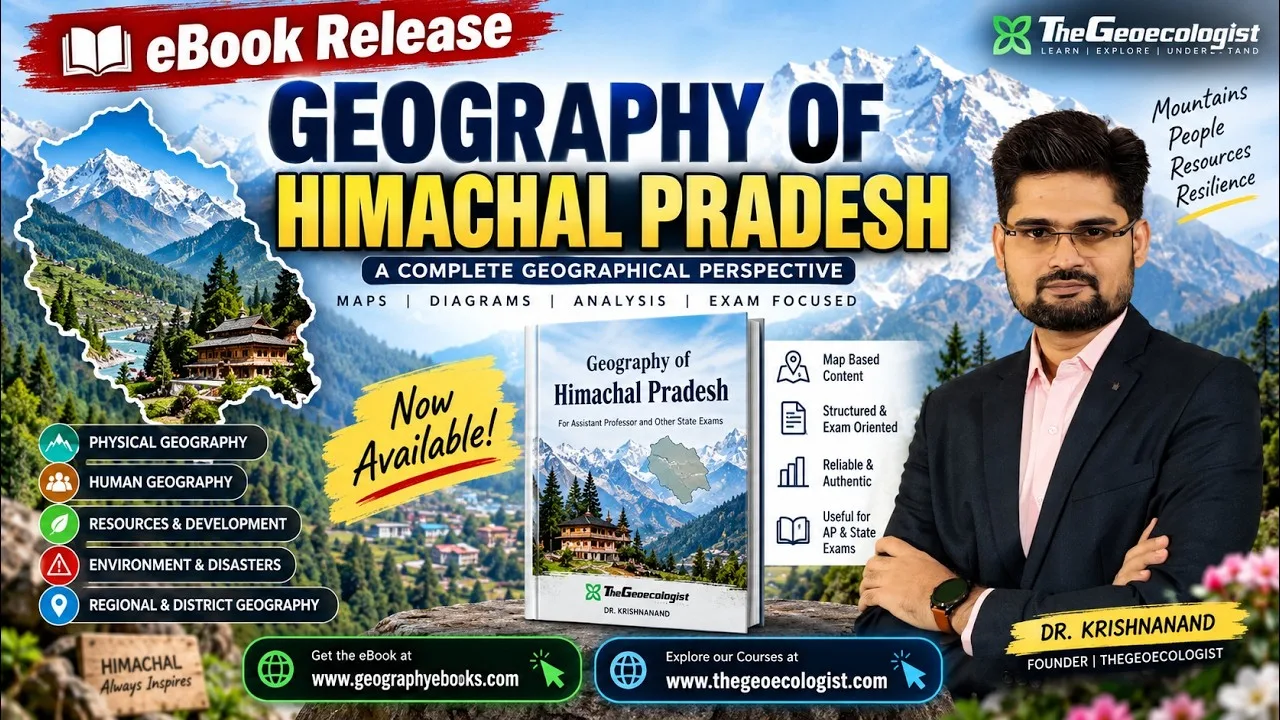
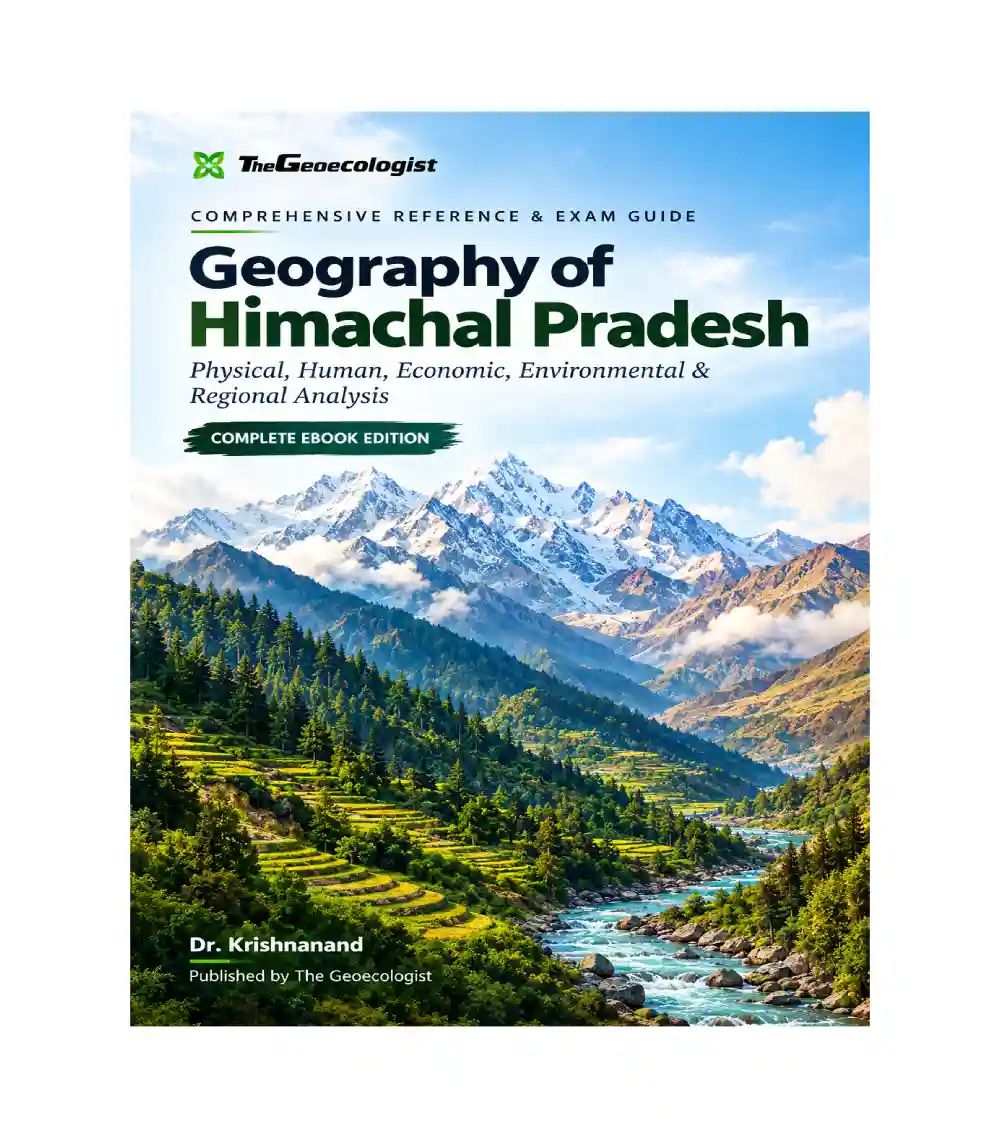
The cold desert Spiti Valley geography is shaped by tectonic activity and glacial erosion over millions of years. The valley is nestled between the Greater Himalayas and the Zanskar Range, forming a deep, narrow gorge carved by the River Spiti. The elevation of the valley ranges from 2,500 meters in the eastern parts to over 4,500 meters in the western regions near the Kunzum Pass. This steep gradient contributes to the formation of steep slopes, deep gorges, and terraced fields. The cold desert Spiti Valley geography is also characterized by the presence of numerous glaciers, including the famous Parvati Glacier and the Pin Glacier, which feed the river systems of the region. The rock formations in Spiti are predominantly metamorphic and sedimentary, reflecting the region’s complex geological history. For students, understanding the cold desert Spiti Valley geography requires a grasp of how these physical features influence human settlement, agriculture, and infrastructure development in the area. A comprehensive guide that includes annotated maps, cross-sectional diagrams, and geological profiles is essential for mastering this topic. The Geography of Himachal Pradesh eBook by Dr. Krishnanand provides such detailed visual aids, making the cold desert Spiti Valley geography more accessible and easier to interpret for competitive exam aspirants.
Climate and Weather Patterns in Cold Desert Spiti Valley
The cold desert Spiti Valley geography is profoundly influenced by its high-altitude climate, which is classified as a cold desert (BWk) under the Köppen climate classification system. The valley experiences long, harsh winters with temperatures often dropping below -30°C, and short, cool summers where temperatures rarely exceed 20°C. Due to its location in the rain shadow area of the Himalayas, the cold desert Spiti Valley geography receives very little annual precipitation — often less than 100 mm. Most of this precipitation occurs in the form of snowfall during the winter months. The monsoon winds, which bring heavy rainfall to the Himalayan regions, barely reach Spiti, further reinforcing its desert characteristics. The cold desert Spiti Valley geography also experiences strong winds, particularly during the spring season, which can lead to dust storms and sandblasting of the landscape. These climatic conditions have a direct impact on the vegetation cover, agricultural practices, and water availability in the region. For exam preparation, it is important to understand how the cold desert Spiti Valley geography interacts with these climatic factors. The Geography of Himachal Pradesh eBook offers a detailed analysis of climate patterns, including temperature trends, precipitation cycles, and their effects on the environment, making it a valuable resource for students studying the cold desert Spiti Valley geography.
Drainage Systems and River Networks in Cold Desert Spiti Valley
The cold desert Spiti Valley geography is dominated by the River Spiti, a major tributary of the Sutlej River. The river originates from the Kunzum Range and flows through the valley, carving out deep gorges and creating fertile alluvial patches along its banks. The cold desert Spiti Valley geography is characterized by a dendritic drainage pattern, with several smaller streams and tributaries joining the main river. These water bodies are crucial for irrigation, especially in the limited agricultural areas of the valley. The cold desert Spiti Valley geography also includes seasonal streams that flow only during the snowmelt season, typically from April to September. The drainage systems in the cold desert Spiti Valley geography are highly sensitive to climate change, as rising temperatures accelerate glacial melting and alter river flow patterns. This can lead to flash floods, glacial lake outburst floods (GLOFs), and changes in sediment load. For students preparing for competitive exams, understanding the cold desert Spiti Valley geography in terms of its drainage systems is essential. The Geography of Himachal Pradesh eBook provides detailed maps and diagrams of the river networks, helping readers visualize the cold desert Spiti Valley geography and its hydrological significance.
Biodiversity and Natural Vegetation in Cold Desert Spiti Valley
The cold desert Spiti Valley geography supports a unique assemblage of flora and fauna that have adapted to the harsh, arid conditions of the high-altitude environment. The natural vegetation in the cold desert Spiti Valley geography is sparse and consists mainly of shrubs, grasses, and a few species of trees such as willow and poplar, which grow along riverbanks and in sheltered areas. The cold desert Spiti Valley geography is home to several endangered species, including the snow leopard, ibex, blue sheep, and the kiang (Tibetan wild ass). These animals have evolved specialized physiological adaptations to survive in the cold desert Spiti Valley geography, such as thick fur, efficient respiratory systems, and the ability to conserve water. The cold desert Spiti Valley geography also supports a variety of bird species, including the Himalayan vulture, bearded vulture, and the snow partridge. Conservation efforts in the cold desert Spiti Valley geography are critical, as the fragile ecosystem is threatened by climate change, overgrazing, and unregulated tourism. For exam aspirants, understanding the cold desert Spiti Valley geography in terms of its biodiversity is important for answering questions related to ecology and environmental science. The Geography of Himachal Pradesh eBook includes detailed information on the flora and fauna of the cold desert Spiti Valley geography, supported by high-quality photographs and ecological maps.
Population and Settlement Patterns in Cold Desert Spiti Valley
The cold desert Spiti Valley geography has a very low population density, with most settlements concentrated in the fertile valleys and along the riverbanks where agriculture is feasible. The cold desert Spiti Valley geography is inhabited primarily by the Kinwa people, who are known for their distinct cultural practices and traditional ways of life. The population of the cold desert Spiti Valley geography is sparse due to the extreme climatic conditions, limited water availability, and difficult terrain. The cold desert Spiti Valley geography has a population density of less than 2 persons per square kilometer, making it one of the least densely populated regions in India. Settlements in the cold desert Spiti Valley geography are typically small hamlets with traditional mud and stone houses designed to withstand harsh winters. The cold desert Spiti Valley geography has a strong Buddhist influence, with several ancient monasteries such as Key Monastery, Tabo Monastery, and Dhankar Monastery serving as cultural and religious centers. For students studying the cold desert Spiti Valley geography, understanding the demographic trends, settlement patterns, and cultural aspects is important for a holistic view. The Geography of Himachal Pradesh eBook by Dr. Krishnanand provides an in-depth analysis of the cold desert Spiti Valley geography, including population distribution, settlement characteristics, and socio-cultural dynamics.
Agriculture and Economic Activities in Cold Desert Spiti Valley
The cold desert Spiti Valley geography presents significant challenges for agriculture due to its arid climate, poor soil quality, and limited water availability. Despite these constraints, the cold desert Spiti Valley geography supports some form of cultivation, primarily through the use of glacial meltwater for irrigation. The cold desert Spiti Valley geography is known for growing crops such as barley, wheat, potatoes, and buckwheat, which are well-suited to the cold desert conditions. The cold desert Spiti Valley geography also practices traditional methods of agriculture, including crop rotation and the use of organic fertilizers. In addition to agriculture, the cold desert Spiti Valley geography supports pastoral activities, with local communities rearing yaks, sheep, and goats. The cold desert Spiti Valley geography is also developing tourism as an economic activity, with visitors attracted to its pristine landscapes, Buddhist monasteries, and adventure opportunities. However, the cold desert Spiti Valley geography faces challenges such as soil erosion, water scarcity, and the impact of climate change on traditional livelihoods. For exam preparation, understanding the cold desert Spiti Valley geography in terms of its economic activities is crucial. The Geography of Himachal Pradesh eBook offers detailed insights into the agricultural practices, economic activities, and development challenges of the cold desert Spiti Valley geography.
Disaster Vulnerability and Environmental Challenges in Cold Desert Spiti Valley
The cold desert Spiti Valley geography is highly vulnerable to natural disasters, particularly those related to its fragile ecosystem and extreme weather conditions. The cold desert Spiti Valley geography is prone to landslides, flash floods, and glacial lake outburst floods (GLOFs) due to the instability of its slopes and the melting of glaciers. The cold desert Spiti Valley geography also faces the threat of desertification, as prolonged droughts and overuse of water resources can lead to soil degradation and loss of vegetation cover. Climate change is exacerbating these challenges, with rising temperatures causing faster glacial melt and altering precipitation patterns in the cold desert Spiti Valley geography. The cold desert Spiti Valley geography is also affected by human activities such as deforestation, unregulated tourism, and construction in ecologically sensitive areas. These environmental challenges pose significant risks to the cold desert Spiti Valley geography, affecting both the local communities and the broader ecological balance. For students preparing for competitive exams, understanding the disaster vulnerability and environmental challenges of the cold desert Spiti Valley geography is important for answering questions related to disaster management and environmental science. The Geography of Himachal Pradesh eBook by Dr. Krishnanand includes comprehensive coverage of these topics, providing readers with the knowledge needed to understand the cold desert Spiti Valley geography in the context of environmental sustainability and disaster resilience.
Conclusion: Mastering Cold Desert Spiti Valley Geography for Exams
In conclusion, the cold desert Spiti Valley geography is a complex and fascinating subject that requires a thorough understanding of various geographical concepts, including physical geography, climate, drainage, biodiversity, and human settlements. The cold desert Spiti Valley geography is not only important for its unique characteristics but also for its relevance in competitive examinations such as UPSC, State PCS, and UGC NET. Aspirants who wish to master the cold desert Spiti Valley geography must rely on well-structured, visually-supported resources that provide a comprehensive overview of the region. The Geography of Himachal Pradesh eBook by Dr. Krishnanand is one such resource that offers detailed analysis, maps, and diagrams to help students understand the cold desert Spiti Valley geography effectively. By studying the cold desert Spiti Valley geography through this eBook, aspirants can gain the conceptual clarity and spatial understanding needed to excel in their examinations. For those seeking to deepen their knowledge of the cold desert Spiti Valley geography, the Geography of Himachal Pradesh eBook is an invaluable tool that combines academic rigor with practical insights.
For more information about the cold desert Spiti Valley geography and other geographical topics, readers can refer to Wikipedia’s entry on Spiti and the India Meteorological Department for climate data.
FAQs
What is the climate classification of the cold desert Spiti Valley?
The cold desert Spiti Valley geography falls under the Köppen climate classification BWpk, which denotes a cold desert climate with cold winters and minimal precipitation.
Why is the Spiti Valley considered a cold desert?
The cold desert Spiti Valley geography is located in the rain shadow zone of the Himalayas, receiving less than 100 mm of annual precipitation, which qualifies it as a cold desert.
What are the main crops grown in the cold desert Spiti Valley geography?
The cold desert Spiti Valley geography primarily grows barley, wheat, potatoes, and buckwheat, which are adapted to the harsh climatic conditions.
How does the cold desert Spiti Valley geography support biodiversity?
The cold desert Spiti Valley geography supports unique flora and fauna, including snow leopards, ibex, and various high-altitude plant species adapted to arid conditions.
What are the major challenges facing the cold desert Spiti Valley geography?
The cold desert Spiti Valley geography faces challenges such as landslides, flash floods, GLOFs, desertification, and the impacts of climate change on its fragile ecosystem.
Our Recommendation
📖 Part of our complete guide: Evolution of Geographical Thought: A Comprehensive Guide for UPSC Aspirants and Geography Enthusiasts
Frequently Asked Questions
What is the climate classification of the cold desert Spiti Valley?
The cold desert Spiti Valley geography falls under the Köppen climate classification BWpk, which denotes a cold desert climate with cold winters and minimal precipitation.
Why is the Spiti Valley considered a cold desert?
The cold desert Spiti Valley geography is located in the rain shadow zone of the Himalayas, receiving less than 100 mm of annual precipitation, which qualifies it as a cold desert.
What are the main crops grown in the cold desert Spiti Valley geography?
The cold desert Spiti Valley geography primarily grows barley, wheat, potatoes, and buckwheat, which are adapted to the harsh climatic conditions.