Blog
Best Fieldwork and Report Writing Book for BA BSc Geography

The journey of pursuing BA BSc Geography is filled with academic rigor, but one skill that often gets overlooked is the ability to conduct effective fieldwork and communicate findings through compelling reports. For students aiming for UPSC CSE, undergraduate degrees, and professionals looking to strengthen their geographic expertise, mastering these two pillars is essential. The Field Work And Report Writing | E-Book | Dr. Krishnanand emerges as a standout resource that addresses exactly this gap. As a best-selling guide, it condenses complex methodologies into actionable knowledge, making it an indispensable companion for anyone serious about advancing in geography.
- Key Takeaways: Geography students struggle with practical fieldwork execution; traditional textbooks lack hands-on methodology; this book bridges theory and practice; it includes visual aids, maps, and diagrams for enhanced learning; ideal for BA BSc students and UPSC aspirants.
The Critical Gap in Geography Students’ Skill Sets
Every year, thousands of students enroll in BA BSc programs with lofty aspirations, only to discover that theoretical knowledge alone does not guarantee success. The core challenge lies in translating classroom theories into tangible fieldwork experiences. While lectures cover cartography, geomorphology, hydrology, and biogeography extensively, few resources equip students with the practical toolkit needed to collect, analyze, and document real-world geographic data. This disconnect creates frustration during internships, research projects, and even competitive examinations where practical application is tested.
The consequence is stark: graduates who cannot produce well-structured field notes, navigate terrain challenges, or write coherent analytical reports are at a disadvantage. In the age of online assessments and practical evaluations, the ability to demonstrate independent research capability is increasingly valued. Without this competency, students risk falling behind peers who can produce polished, evidence-based submissions.
Why Traditional Textbooks Fall Short
Standard textbooks tend to prioritize conceptual frameworks over procedural guidance. They may explain the definition of spatial analysis or describe the principles of map reading, but they rarely provide step-by-step instructions for executing field surveys. A student might understand the theoretical underpinnings of remote sensing, yet struggle when actual satellite imagery arrives on their laptop. Similarly, chapters on data collection methods often remain abstract, lacking real-world examples that mirror the challenges faced by budding researchers.
Moreover, the volume of information in modern geography curricula is vast. With topics ranging from GIS applications to environmental conservation policies, students inevitably get overwhelmed. Between absorbing theory and producing quality work, there is little time allocated for iterative refinement of field reports. The result is shallow outputs that fail to meet the expectations of universities, employers, and competitive exams such as UPSC Civil Services Examinations.
Learn more about university guidelines for geography research and discover how standardized reporting is expected across different institutions.
What Makes a Fieldwork Guide Truly Valuable
A truly exceptional guide must satisfy multiple criteria simultaneously. First, it should offer a clear roadmap from initial site selection to final report submission—covering everything from equipment preparation to ethical considerations. Second, it should integrate contemporary tools such as GPS devices, drone mapping, and digital database management without overwhelming novices. Third, visual components including diagrams, maps, and annotated images are non-negotiable; they transform dense textual explanations into accessible learning moments.
Finally, the guide should address both academic and professional dimensions. For BA BSc students, it should help them build strong foundations for future research; for UPSC aspirants, it should prepare them for essay-based paper writing where clarity and logical structure matter immensely. The most valuable guides strike this balance, offering not just theoretical grounding but also practical tips that can be immediately applied to real projects.
How Field Work And Report Writing | E-Book | Dr. Krishnanand Bridges the Gap
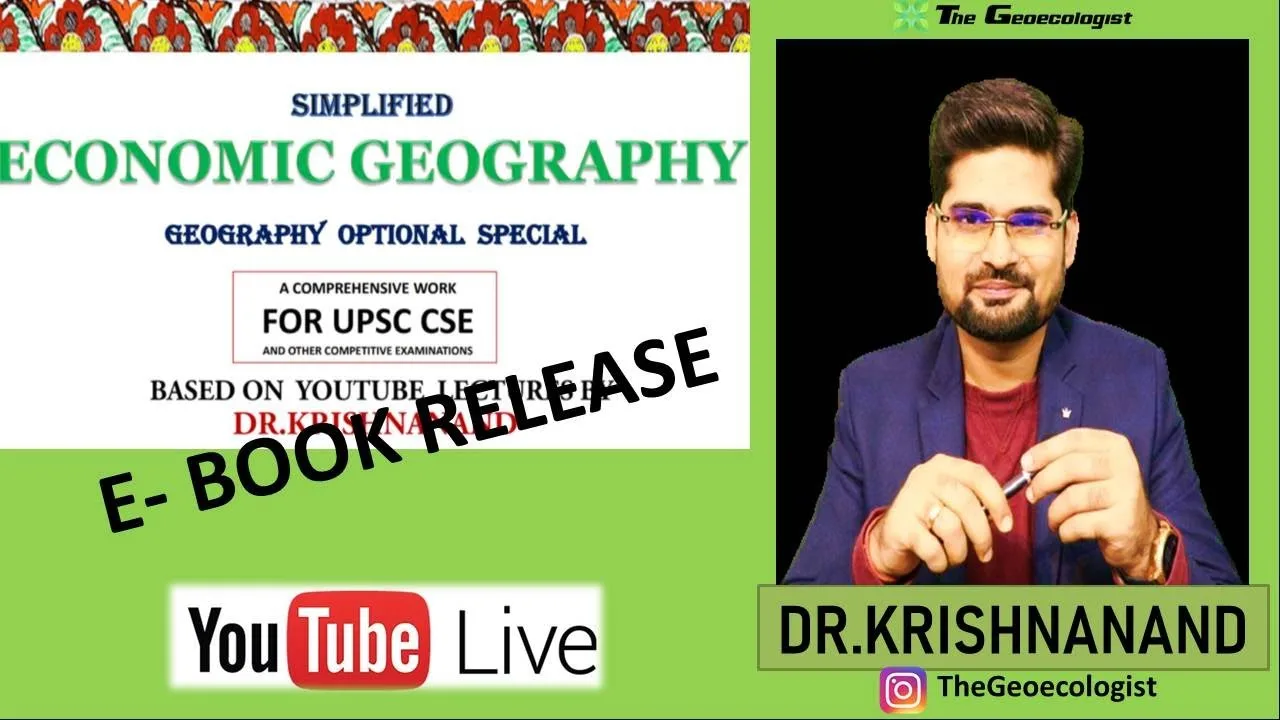
Enter Field Work And Report Writing | E-Book | Dr. Krishnanand, a bestseller designed specifically for the needs of geography learners and UPSC aspirants. This comprehensive resource aligns with the CBCS syllabus in geography, ensuring relevance to the curriculum while addressing practical demands. The e-book format provides convenience for mobile study sessions, and its concise presentation allows students to absorb critical concepts efficiently.
What sets this guide apart is its blend of pedagogical depth and actionable advice. Chapter 1 lays the foundation with an introduction to fieldwork, explaining why empirical observation remains paramount in geographic science. Chapter 2 delves into the methodologies and rationales behind field research, helping students understand which approaches suit different research questions. Chapter 3 traces the historical evolution of fieldwork techniques, providing context that enriches understanding beyond textbook definitions.
The middle chapters expand on specialized topics: the role and value of field work, ethical considerations in data collection, and database construction—a crucial skill for modern geographic practitioners. By Chapter 7, students gain mastery of various data collection methods, from observational monitoring to survey design. Each chapter contains diagrams, maps, and images that break down complex processes into digestible segments, making the material both engaging and memorable.
This integration of theory, ethics, technology, and practical exercises positions the book as a holistic training tool. It does not merely tell students what to do—it shows them how to think like a professional geographer, preparing them for both academic assignments and real-world research scenarios.
Practical Usage: Mastering Report Writing Techniques
Beyond fieldwork itself, the translation of raw data into structured, persuasive reports is where many students stumble. The guide dedicates significant attention to this phase, teaching writers how to organize arguments, present findings clearly, and maintain academic integrity throughout the document. Visual aids included—such as annotated maps and sample report templates—serve as ready references for crafting compelling narratives.
For BA BSc students, these techniques translate directly into better marks in practical papers. For UPSC aspirants, the emphasis on structured argumentation and balanced evidence aligns perfectly with essay-based questions. The inclusion of real-world case studies demonstrates the relevance of these writing skills to broader career goals, whether in government services, consulting firms, or academic research departments.
In practical terms, students can apply the guide’s strategies by following the worked examples provided for each stage of the report lifecycle: field note compilation, preliminary analysis, drafting, revision, and final submission. This systematic approach reduces anxiety associated with large-scale projects and builds confidence through incremental successes.
Building Academic Credibility with Geographic Reports
The credibility of any research project hinges on the quality of its written documentation. A meticulously prepared report signals to evaluators that the researcher possesses both competence and dedication. This book ensures that every publication meets the rigorous standards expected by universities and licensing bodies.
Consider the impact of published papers and research proposals that cite original data presented in cleanly formatted reports. Such documents enhance the author’s scholarly standing and open doors to further opportunities. Moreover, the guide encourages ethical practices—such as proper attribution of field sources and transparent methodology—which are increasingly scrutinized in academic peer review processes. By instilling these values early, Field Work And Report Writing | E-Book | Dr. Krishnanand helps students develop habits that serve them throughout their careers.
For professionals seeking certification or advanced degrees, the skills honed here are transferable. Employers in the geography sector—international organizations, environmental agencies, and urban planning departments—value candidates who can independently gather data, analyze patterns, and communicate insights coherently. Investing time in this guide pays dividends both academically and professionally.
Final Verdict: Your Investment in Professional Writing Skills
In summary, the landscape of geography education rewards students who combine theoretical knowledge with practical proficiency. While traditional textbooks provide a solid grounding, they fall short in bridging the gap between theory and execution. Field Work And Report Writing | E-Book | Dr. Krishnanand fills this void comprehensively, offering a well-rounded, visually rich, and practically oriented learning experience.
Students aiming for excellence in BA BSc programs, UPSC CSE, and related fields will find this book an indispensable companion. Its alignment with the CBCS syllabus ensures relevance to current academic demands, while its focus on fieldwork methodology and report composition empowers readers to achieve measurable outcomes. The combination of instructional depth, visual support, and real-world applicability makes it one of the top choices among available resources for aspiring geographic scholars and professionals alike.
By committing to the study of this guide, learners not only prepare for immediate academic assessments but also build lasting skills that enhance their overall career trajectories in geography and beyond.
Our Recommendation
📖 Part of our complete guide: Evolution of Geographical Thought: A Comprehensive Guide for UPSC Aspirants and Geography Enthusiasts
Frequently Asked Questions
Is Field Work And Report Writing suitable for UPSC aspirants?
Yes, this book is specifically designed for UPSC CSE aspirants and other exam seekers as it covers structured report writing and fieldwork methodology aligned with CBCS syllabus.
How does the book help with practical fieldwork?
The book provides detailed guidance on selecting sites, gathering samples, using GPS and drones, and documenting observations through annotated maps and diagrams.
Can this book be used alongside regular course materials?
Absolutely. It complements standard geography textbooks by adding hands-on practical skills that textbooks alone cannot deliver, making it a valuable supplementary resource.