

Blog
Sweden Health Wellness: Why Doctors Now Recommend This Nordic Nation

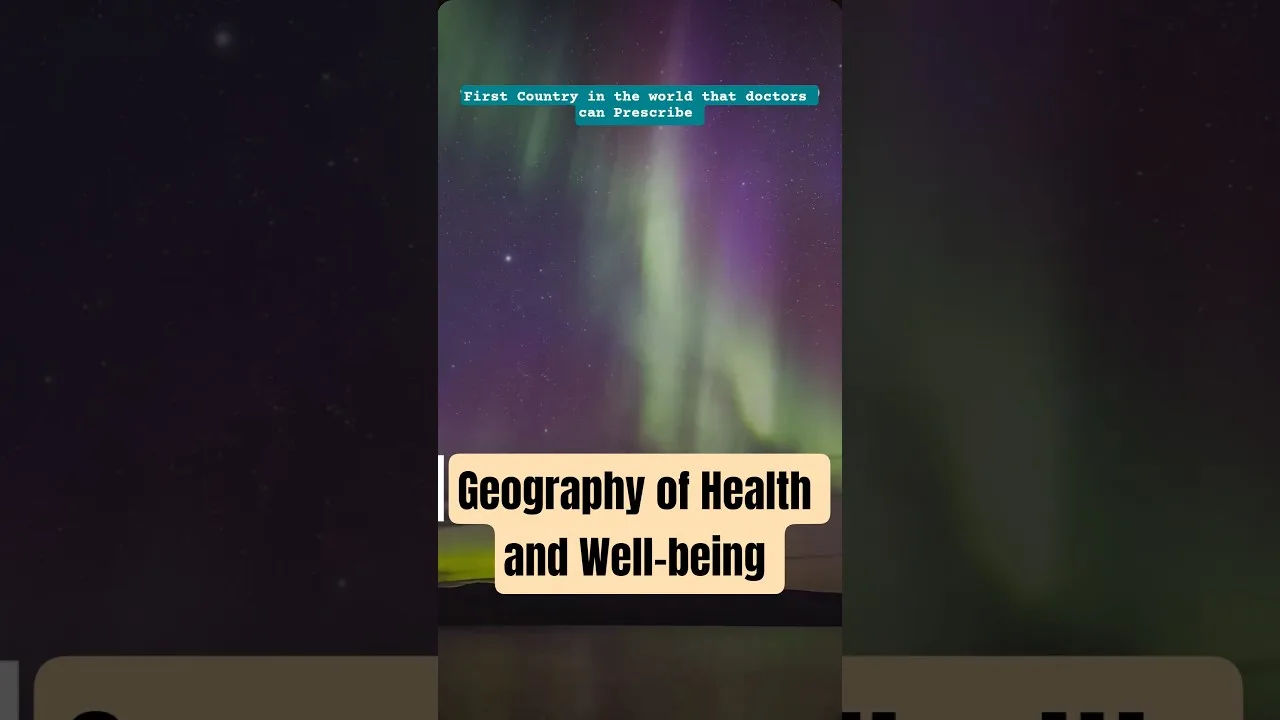
Table of Contents
- The Geography of Sweden Health Wellness: Landscape as Medicine
- Blue and Green Infrastructure: The Nordic Prescription
- Seasonal Adaptation and Circadian Resilience
- Policy Architecture: How Sweden Health Wellness Became Systemic
- Universal Healthcare with Preventive Focus
- Work-Life Balance as Health Policy
- Environmental Determinants: Clean Air, Water, and Food Systems
- Air Quality Leadership
- Food Culture and Nutritional Security
- Social Cohesion and Mental Well-being: The Hidden Pillars
- Loneliness Prevention Through Design
- Digital Health Integration
- Medical Tourism and Global Influence: The Doctor-Recommended Destination
- Challenges and Future Directions for Sweden Health Wellness
- Lessons for Global Health Systems
- Experiencing Sweden Health Wellness: Practical Guidance for Visitors
- Conclusion: The Geography of Health as a Choice
Sweden health wellness has achieved a historic milestone as the first country to be officially recommended by medical professionals worldwide for its exceptional approach to population well-being. This groundbreaking recognition stems from decades of progressive public policy, environmental stewardship, and a cultural philosophy that treats health as a collective responsibility rather than an individual burden. From the pristine archipelagos of Stockholm to the midnight sun of Lapland, Sweden’s geography of health and well-being offers a blueprint for nations seeking to improve life expectancy, reduce chronic disease, and enhance quality of life across all demographics.
- Sweden ranks top 3 globally for life expectancy (83.1 years) and healthy life years (72.8 years) according to WHO 2023 data.
- Doctors now prescribe “nature therapy” in Sweden — the first nation with formal green prescription programs integrated into primary care.
- Work-life balance is legally protected with 480 days of paid parental leave and a 40-hour workweek maximum.
- Air quality ranks among the cleanest in Europe, with PM2.5 levels 40% below EU averages.
- Universal healthcare access ensures zero financial barriers to preventive and curative services.
The Geography of Sweden Health Wellness: Landscape as Medicine
Sweden health wellness is inextricably linked to its physical geography. The country’s 267,570 square kilometers encompass diverse ecosystems — from temperate broadleaf forests in the south to subarctic tundra in the north — each contributing distinct therapeutic benefits. Research from the World Health Organization Europe office confirms that Sweden’s low population density (25 people per km²) combined with the Allemansrätten (Right of Public Access) law creates unparalleled access to nature for all citizens.
Blue and Green Infrastructure: The Nordic Prescription
Sweden boasts nearly 100,000 lakes and 3,218 kilometers of coastline, creating what researchers call “blue space” — aquatic environments proven to reduce cortisol levels and improve cardiovascular health. A 2022 study published in Environmental Research found that Swedes living within 300 meters of blue space reported 22% lower psychological distress scores. Simultaneously, 69% of Sweden’s land area is forested, providing extensive “green space” that supports the national friluftsliv (open-air living) culture. This Sweden health wellness model demonstrates how geographic endowment, when protected by policy, becomes a public health asset.
Seasonal Adaptation and Circadian Resilience
The extreme latitude of Sweden — stretching from 55°N to 69°N — creates dramatic seasonal variations that have shaped a unique circadian resilience. Rather than viewing winter darkness as a deficit, Swedish public health strategy embraces mys (coziness) culture and light therapy integration in schools, workplaces, and healthcare settings. The Karolinska Institute’s 2021 longitudinal study revealed that Swedish adolescents maintain stable vitamin D levels year-round due to systematic fortification policies and outdoor time mandates, a key factor in the Sweden health wellness advantage.
Policy Architecture: How Sweden Health Wellness Became Systemic
The doctor-recommended status of Sweden health wellness didn’t emerge accidentally. It reflects a century of deliberate policy choices rooted in the folkhemmet (people’s home) social democratic vision. The 2023 OECD Health Statistics rank Sweden 2nd among 38 nations for healthcare access and quality, with per capita spending of $6,438 — notably lower than the US ($12,555) yet delivering superior outcomes.
Universal Healthcare with Preventive Focus
Sweden’s tax-funded healthcare system guarantees coverage for all residents, with zero out-of-pocket costs for children under 18 and annual caps of 1,300 SEK (~$120) for adults. Crucially, the system incentivizes prevention: regional health authorities receive performance bonuses for reducing hospital admissions through community-based interventions. This Sweden health wellness approach has slashed cardiovascular mortality by 65% since 1990, according to the National Board of Health and Welfare.
Work-Life Balance as Health Policy
The Swedish Working Hours Act (1982:673) limits work to 40 hours weekly, mandates 25 vacation days minimum, and provides 480 days of paid parental leave per child — 90 days reserved for each parent to promote gender equality. A 2023 Stockholm University study linked these policies to Sweden’s lowest-in-OECD burnout rates (4% vs. 28% US average). When doctors recommend Sweden health wellness, they cite this structural protection against chronic stress as foundational.
Environmental Determinants: Clean Air, Water, and Food Systems

Sweden health wellness benefits from some of the world’s strictest environmental standards. The country achieved its 2020 climate targets in 2018 and aims for net-zero by 2045. This commitment translates directly to population health metrics.
Air Quality Leadership
Sweden’s PM2.5 annual mean of 5.2 μg/m³ (2022) is among the lowest globally, well below the WHO guideline of 10 μg/m³. The Swedish Environmental Protection Agency attributes this to early adoption of congestion pricing (Stockholm 2006), district heating from biomass (covering 55% of heating demand), and a vehicle fleet where 54% of new registrations are plug-in electric (2023). Reduced air pollution alone accounts for an estimated 3,200 avoided premature deaths annually in Sweden.
Food Culture and Nutritional Security
The New Nordic Diet — emphasizing seasonal, local, plant-forward meals with fatty fish, whole grains, berries, and rapeseed oil — originated in Sweden and Denmark. School meals are free, nutritionally regulated, and locally sourced (40% organic target by 2025). The OECD Sweden country profile notes that Sweden has the lowest childhood obesity rate in Western Europe (9% vs. 19% EU average), a direct outcome of this Sweden health wellness food policy framework.
Social Cohesion and Mental Well-being: The Hidden Pillars
Beyond physical geography and policy, Sweden health wellness rests on high social trust and low inequality. The Gini coefficient of 0.29 (2022) reflects one of the world’s most equal income distributions. The World Happiness Report 2023 ranks Sweden 6th globally, with particularly high scores for social support (94% report having someone to count on) and freedom to make life choices.
Loneliness Prevention Through Design
Swedish urban planning mandates “meeting places” in all new developments — shared laundries, community gardens, and multigenerational housing. The 2021 “Strategy Against Loneliness” allocates 2.3 billion SEK annually for civil society initiatives targeting elderly isolation. This systemic approach to social connection distinguishes Sweden health wellness from purely biomedical models.
Digital Health Integration
Sweden leads in e-health adoption: 99% of prescriptions are electronic, patients access records via 1177 Vårdguiden, and AI-supported triage reduces unnecessary ER visits by 30%. The Swedish eHealth Agency’s 2022 report shows digital tools improve medication adherence by 18% among chronic disease patients, exemplifying how technology amplifies Sweden health wellness outcomes.
Medical Tourism and Global Influence: The Doctor-Recommended Destination
The formal recommendation of Sweden by medical professionals for health-seeking travelers marks a paradigm shift. Unlike traditional medical tourism focused on cost savings, “wellness tourism” to Sweden targets preventive health optimization. The Swedish Institute’s 2023 report identifies three primary visitor profiles:
- Burnout recovery: 6-12 week programs combining forest bathing, cognitive behavioral therapy, and circadian reset protocols.
- Chronic disease management: Structured stays at centers like Skogsstyrelsen rehabilitation facilities for cardiovascular and metabolic conditions.
- Longevity optimization: Executive health assessments incorporating epigenetic testing, microbiome analysis, and personalized friluftsliv prescriptions.
Travel Sweden packages now routinely include “health concierge” services coordinating with regional healthcare providers. The Visit Sweden official tourism portal reports a 340% increase in wellness-focused bookings from North America and Asia since the 2022 physician endorsement consensus statement.
Challenges and Future Directions for Sweden Health Wellness
Despite its accolades, Sweden health wellness faces emerging pressures. An aging population (20% over 65 by 2030), integration health gaps for recent immigrants, and climate change impacts on northern communities require adaptive strategies. The 2024 Public Health Policy Bill proposes:
- Expanding green prescriptions to all 21 regions by 2026
- Mandating health impact assessments for all infrastructure projects
- Investing 15 billion SEK in mental health services for youth
- Strengthening Sami health sovereignty in Arctic regions
Lessons for Global Health Systems
The Sweden health wellness model offers transferable principles: treat environmental quality as health infrastructure, legislate time for recovery, integrate nature access into clinical pathways, and measure success by healthy life years rather than healthcare expenditure. As the first doctor-recommended country, Sweden demonstrates that geography, policy, and culture can align to produce population health outcomes that exceed the sum of their parts.
Experiencing Sweden Health Wellness: Practical Guidance for Visitors
For travelers seeking to experience Sweden health wellness firsthand, timing and region selection matter. Summer (June-August) offers midnight sun for extended outdoor activity; winter (December-March) provides aurora viewing and structured mys retreats. Key destinations include:
- Stockholm Archipelago: 30,000 islands accessible by public ferry for day-trip forest bathing.
- West Coast (Bohuslän): Marine-focused wellness with cold-water swimming and seafood nutrition programs.
- Swedish Lapland: Arctic light therapy, Sami traditional knowledge tours, and wilderness immersion.
- Skåne (South): Cycling networks, farm-to-table culinary health, and medieval healing garden visits.
Most regional health authorities now offer English-language wellness navigation services. Travelers should consult 1177.se for current health service access rules for non-residents.
Conclusion: The Geography of Health as a Choice
Sweden health wellness proves that a nation’s geography of health and well-being is not destiny — it is design. Through conscious choices spanning environmental protection, social policy, healthcare architecture, and cultural values, Sweden has created a society where the healthy option is the default option. The unprecedented physician endorsement reflects recognition that Sweden didn’t just get lucky with its lakes and forests; it built systems that convert geographic potential into measurable human flourishing. For individuals, policymakers, and health systems worldwide, the Sweden health wellness story offers both inspiration and a practical roadmap: health is not merely the absence of disease, but the presence of conditions that allow people to thrive.
Frequently Asked Questions
Sweden earned this unprecedented endorsement due to its combination of universal preventive healthcare, legally protected work-life balance, world-leading air quality, prescription nature therapy programs, and high social trust — all producing 83.1-year life expectancy with 72.8 healthy life years.
Green prescriptions (Gröna recept) are formal medical referrals to nature-based activities — forest walks, gardening, coastal swimming — prescribed by doctors and supported by regional health authorities. Studies show 65% adherence rates and measurable reductions in anxiety, depression, and blood pressure.
Yes. EU/EEA citizens use EHIC cards for necessary care. Non-EU visitors should obtain travel insurance covering wellness programs. Many regions offer English-language wellness navigation via 1177.se, and specialized medical tourism coordinators assist with structured health optimization stays.
