Political Geography of Resource Conflicts-Water Sharing Disputes in India- Geoecologist
Political Geography of Resource Conflicts: Water Sharing Disputes in India
Water, a life-sustaining resource, is increasingly becoming a source of contention in India due to its uneven spatial and temporal distribution. The political geography of water sharing disputes in India offers critical insights into how resource scarcity, federal governance, and socio-economic demands intersect, creating complex conflicts. This article explores the geopolitical dynamics of water disputes, their implications, and pathways for resolution, serving as a valuable resource for competitive exam aspirants and geography students.
Theoretical Framework: Political Geography of Resource Conflicts
Political geography examines how spatial factors influence political processes, particularly in managing finite resources. Water conflicts arise due to:
- Spatial Disparities: Rivers often flow across multiple states/countries, creating interdependency.
- Federal Tensions: India’s federal structure mandates states to prioritize local needs, often clashing with national interests.
- Socio-Economic Pressures: Urbanization, agriculture (consuming 80% of water), and industrialization escalate competing demands.
- Ethno-Political Narratives: Water disputes often become politicized, invoking regional identities.
Understanding these dynamics is key to addressing conflicts through a political-geographic lens.
Key Interstate Water Disputes in India
1. Cauvery River Dispute
- States Involved: Tamil Nadu, Karnataka, Kerala, Puducherry.
- Core Issue: Karnataka’s upstream control vs. Tamil Nadu’s agricultural dependency.
- Political Dynamics: Frequent legal battles, protests, and temporary agreements mediated by the Cauvery Water Management Authority (CWMA).
2. Krishna-Godavari Basin Conflict
- States Involved: Andhra Pradesh, Telangana, Maharashtra, Karnataka.
- Core Issue: Post-bifurcation disagreements over dam projects and allocations.
- Current Status: Ongoing tribunal reviews under the Krishna and Godavari Water Disputes Tribunals.
3. Mahadayi River Dispute
- States Involved: Goa, Karnataka, Maharashtra.
- Core Issue: Karnataka’s proposed Kalasa-Banduri canal impacting Goa’s ecology.
- Political Angle: Environmental concerns vs. drinking water needs.
4. Sutlej-Yamuna Link (SYL) Canal
- States Involved: Punjab, Haryana.
- Core Issue: Punjab’s refusal to share river waters, rooted in riparian rights.
- Recent Developments: Supreme Court-led mediation remains unresolved due to Punjab’s legislative resistance.
5. Ravi-Beas River Dispute
- States Involved: Punjab, Haryana, Rajasthan.
- Core Issue: Allocation revisions post-reorganization of Punjab in 1966.
Institutional and Legal Mechanisms
India’s legal framework for resolving water conflicts includes:
- Inter-State River Water Disputes Act (1956): Establishes tribunals, though delays are common.
- River Boards Act (1956): Aims at collaborative basin management but remains underutilized.
- Judicial Interventions: Supreme Court rulings often shape outcomes, but enforcement challenges persist.
Challenges: Tribunal delays (e.g., the Mahadayi dispute took 33 years), lack of compliance, and politicization of agreements.
Transboundary and Emerging Challenges
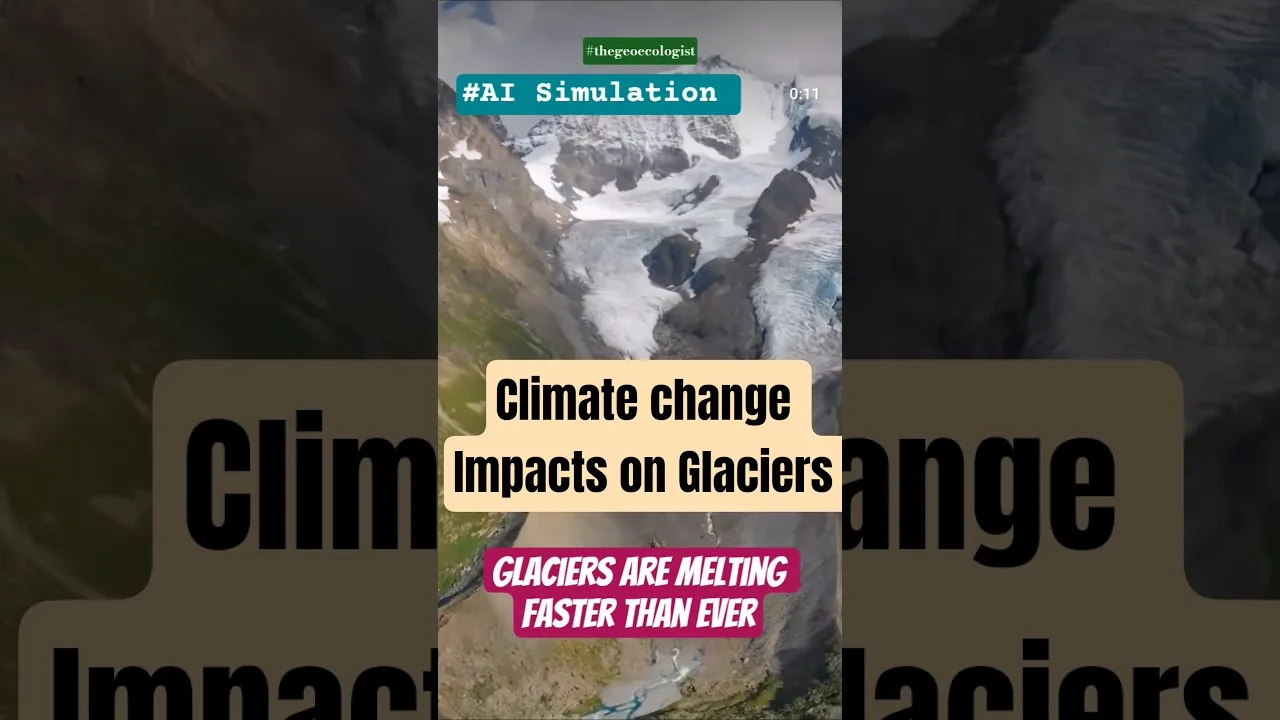
- Climate Change: Erratic monsoons and glacier melt threaten long-term water security.
- Urbanization and Groundwater Depletion: Cities like Bengaluru and Chennai face severe shortages.
- Transboundary Tensions: Disputes with neighbors (e.g., Indus Water Treaty with Pakistan, Teesta River with Bangladesh) mirror internal federal conflicts.
- China’s Hydro-Hegemony: Dams on the Brahmaputra (Yarlung Tsangpo) raise concerns in Northeast India.
Pathways to Conflict Resolution
- Cooperative Federalism: Strengthening institutions like the National Water Resources Council.
- Integrated River Basin Management (IRBM): Holistic planning balancing ecological and human needs.
- Technology and Data Sharing: Real-time monitoring using GIS and remote sensing.
- Community Participation: Decentralized governance through local stakeholders.
Conclusion
Water sharing disputes in India exemplify the intricate interplay between geography, politics, and resource governance. Addressing these conflicts requires a blend of legal reforms, inter-state cooperation, and adaptive strategies against climate change. For geography enthusiasts and exam aspirants, mastering these dynamics is crucial to understanding India’s evolving political landscape.
Explore More: Enhance your preparation with detailed videos on TheGeoecologist YouTube Channel and courses at thegeoecologist.com. Follow us on Instagram for updates!
watersharingdisputes #resourceconflict #politicalgeography
Join our community: Subscribe to THEGEOECOLOGIST for in-depth geography content and exam guidance. Let’s navigate the complexities of our planet together! 🌍
To Download E-Books & Study Material Visit The Shop Page