Blog
Environmental Degradation and Mitigation Measures | Environmental Geography | Dr. Krishnanand

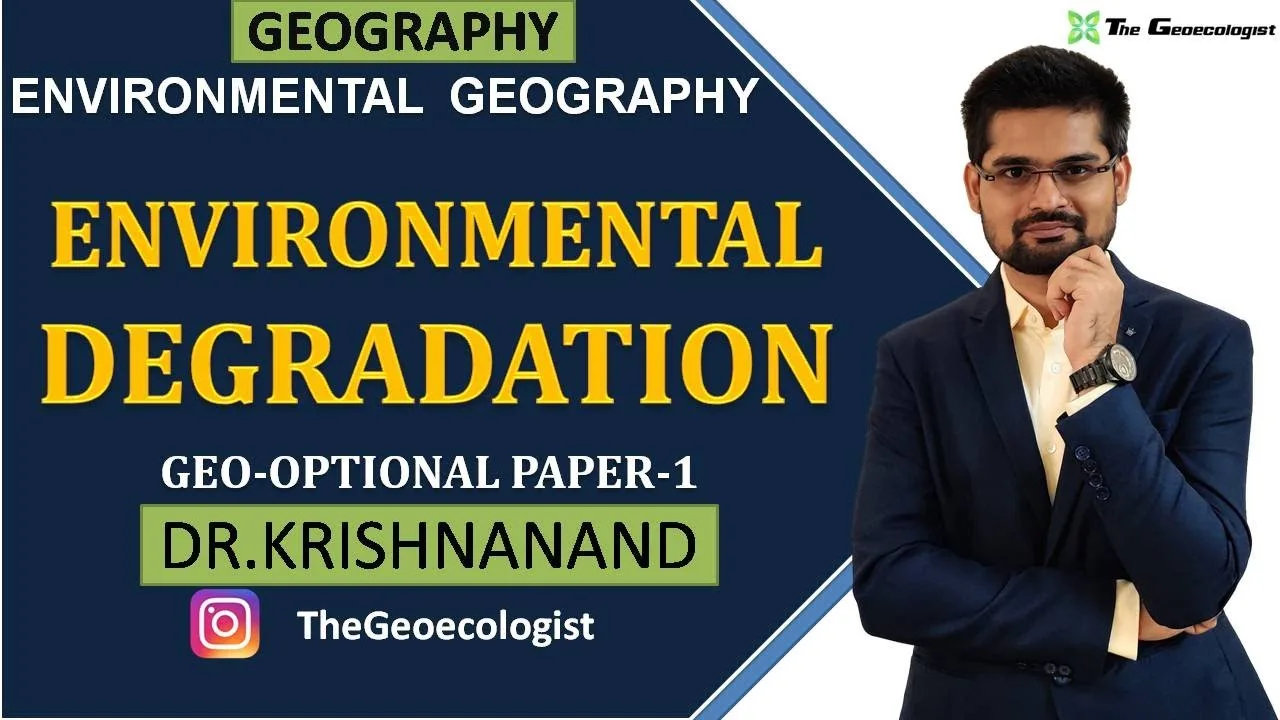
Environmental Degradation and Mitigation Measures | Environmental Geography | Dr. Krishnanand
Environmental Degradation and Mitigation Measures: A Simplified Guide
(Based on the 12th Lecture by Dr. Krishnanand, TheGeoecologist)
Introduction
Environmental degradation is a pressing global concern that threatens ecosystems, human health, and socio-economic stability. Dr. Krishnanand, founder of TheGeoecologist, explains this critical issue in the 12th lecture of his series, focusing on Environmental Degradation and Mitigation Measures. This article simplifies key concepts from the lecture, helping UPSC aspirants and undergraduate geography students enhance their understanding.
What is Environmental Degradation?
Environmental degradation refers to the deterioration of natural resources due to human activities and natural processes. It leads to ecosystem imbalances, biodiversity loss, and climate change. Major causes include:
- Deforestation – Excessive logging for agriculture, urban expansion, and industry.
- Pollution – Air, water, and soil pollution from industrial waste, vehicular emissions, and chemicals.
- Urbanization – Unplanned city growth leading to habitat destruction.
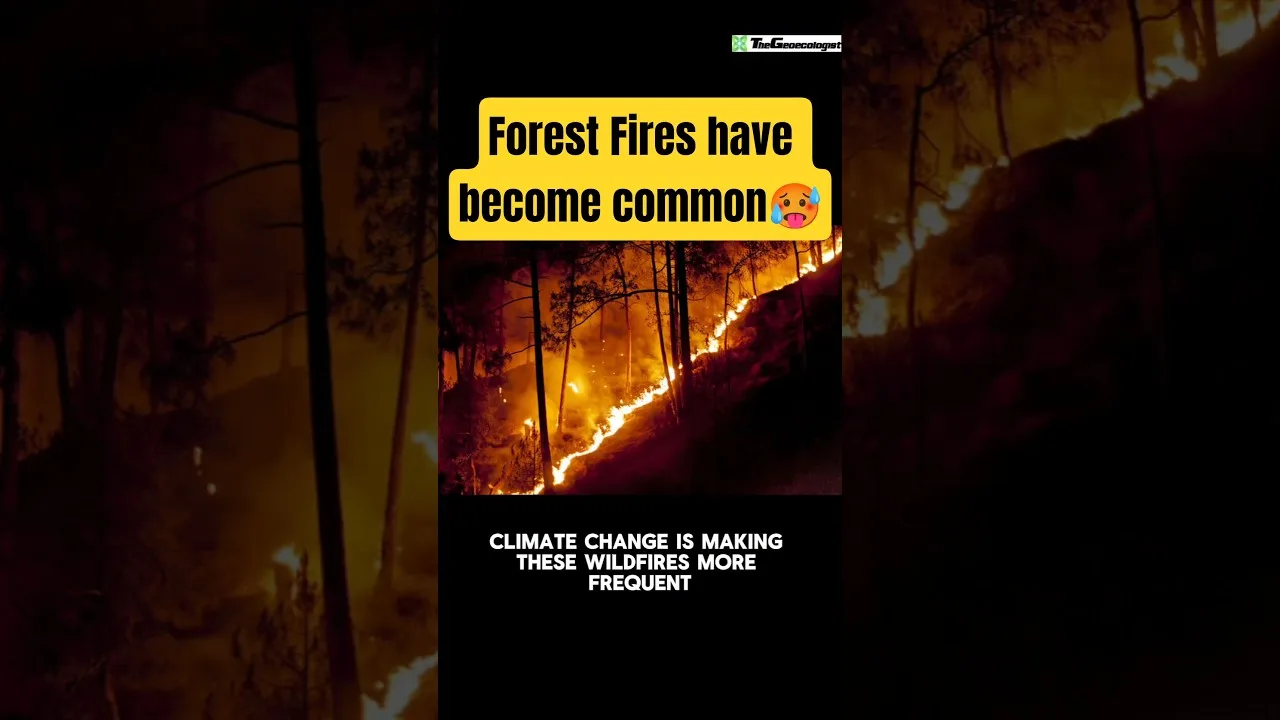
- Climate Change – Greenhouse gas emissions causing global warming.
- Overexploitation of Resources – Excessive mining, overfishing, and groundwater depletion.
Impacts of Environmental Degradation
- Loss of Biodiversity: Habitat destruction threatens plant and animal species.
- Climate Change: Rising temperatures, extreme weather events, and sea-level rise.
- Health Hazards: Air and water pollution cause respiratory diseases and waterborne illnesses.
- Food Security: Soil degradation reduces agricultural productivity.
- Economic Costs: Natural disasters and resource scarcity impact livelihoods.
Mitigation Measures
To combat environmental degradation, proactive measures must be implemented at individual, national, and global levels. Key strategies include:
1. Sustainable Resource Management
- Afforestation and reforestation programs.
- Rainwater harvesting to conserve water.
- Renewable energy adoption (solar, wind, hydro).
2. Pollution Control
- Stringent regulations on industrial emissions.
- Promotion of electric vehicles and public transportation.
- Waste management techniques like recycling and composting.
3. Legal and Policy Frameworks
- Implementation of environmental laws such as the Wildlife Protection Act and Air (Prevention & Control of Pollution) Act.
- International agreements like the Paris Agreement on climate change.
4. Public Awareness and Education
- Encouraging eco-friendly practices like minimal plastic use.
- Community participation in conservation efforts.
Conclusion
Environmental degradation is an urgent issue requiring collective action. Dr. Krishnanand’s lecture simplifies complex geographical concepts, making them accessible for UPSC aspirants and geography students. By adopting sustainable practices, strengthening policies, and raising awareness, we can mitigate environmental damage and secure a healthier planet.
For more detailed insights, watch the full lecture on TheGeoecologist YouTube channel and subscribe for updates on geography-related content.
Additional Resources:
📕 E-books by Dr. Krishnanand: MithilaCraft Publications
📺 YouTube Channel: THEGEOECOLOGIST
📸 Instagram: @thegeoecologist
environmentaldegradation #mitigation #upsc #geographyoptional #thegeoecologist
(For further queries, contact: krishna.geography@gmail.com | Visit: TheGeoecologist Website)
This article is inspired by Dr. Krishnanand’s lecture and is intended for educational purposes. 🎓🌍
To Download E-Books & Study Material Visit The Shop Page