Blog
Classification of Hazards and Disasters -TheGeoecologist

Classification of Hazards and Disasters -TheGeoecologist
Understanding the Classification of Hazards and Disasters: A Guide for UPSC Geography Optional Aspirants
By Dr. Krishnanand, Founder of TheGeoecologist
For UPSC Civil Service Examination (CSE) aspirants, particularly those opting for Geography Optional, mastering the classification of hazards and disasters is crucial. This article simplifies key concepts discussed in TheGeoecologist’s lecture, aligning with the UPSC syllabus and enriching your disaster management knowledge.
Hazard vs. Disaster: Key Differences
- Hazard: A potential threat to humans and the environment (e.g., an active volcano).
- Disaster: Occurs when a hazard leads to significant human, economic, or environmental losses (e.g., the 2004 Indian Ocean tsunami).
Classification of Hazards
Hazards are broadly categorized into natural and anthropogenic (human-made) types, each with sub-classifications:
1. Natural Hazards
- Geological: Earthquakes, volcanic eruptions, landslides (e.g., 2023 Joshimath subsidence).
- Meteorological: Cyclones, thunderstorms (e.g., Cyclone Amphan, 2020).
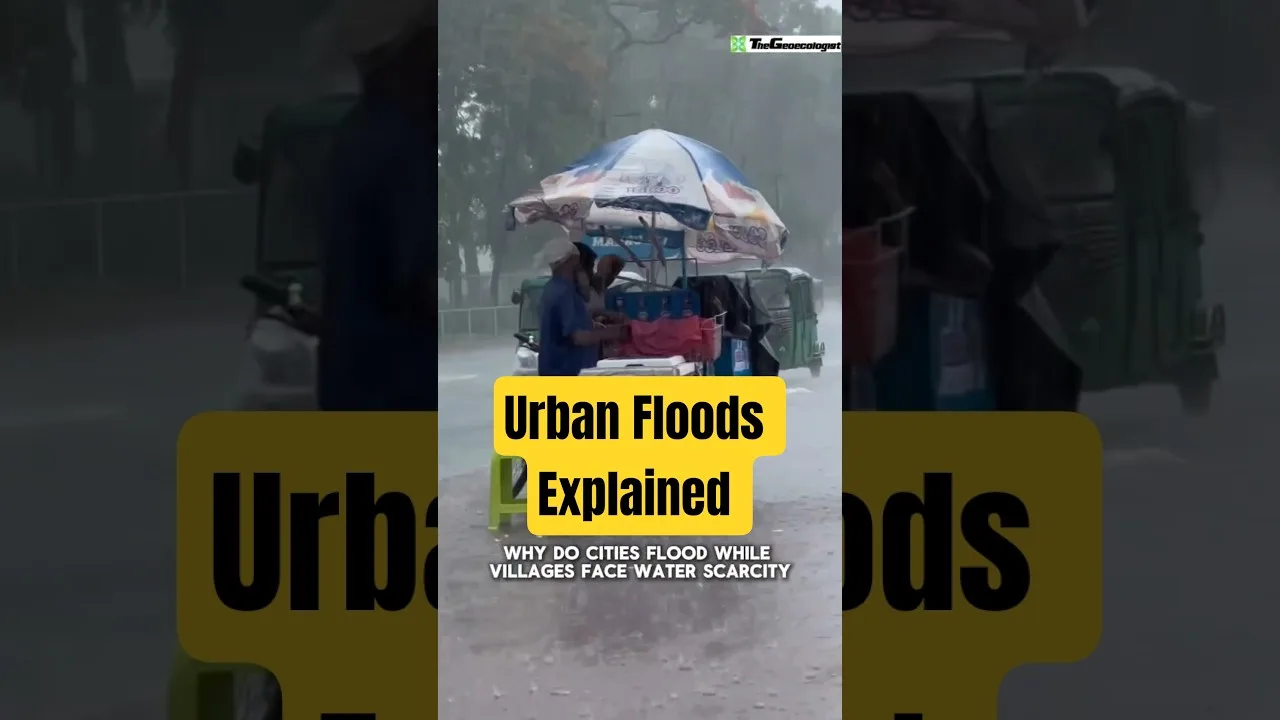
- Hydrological: Floods, tsunamis (e.g., 2013 Uttarakhand floods).
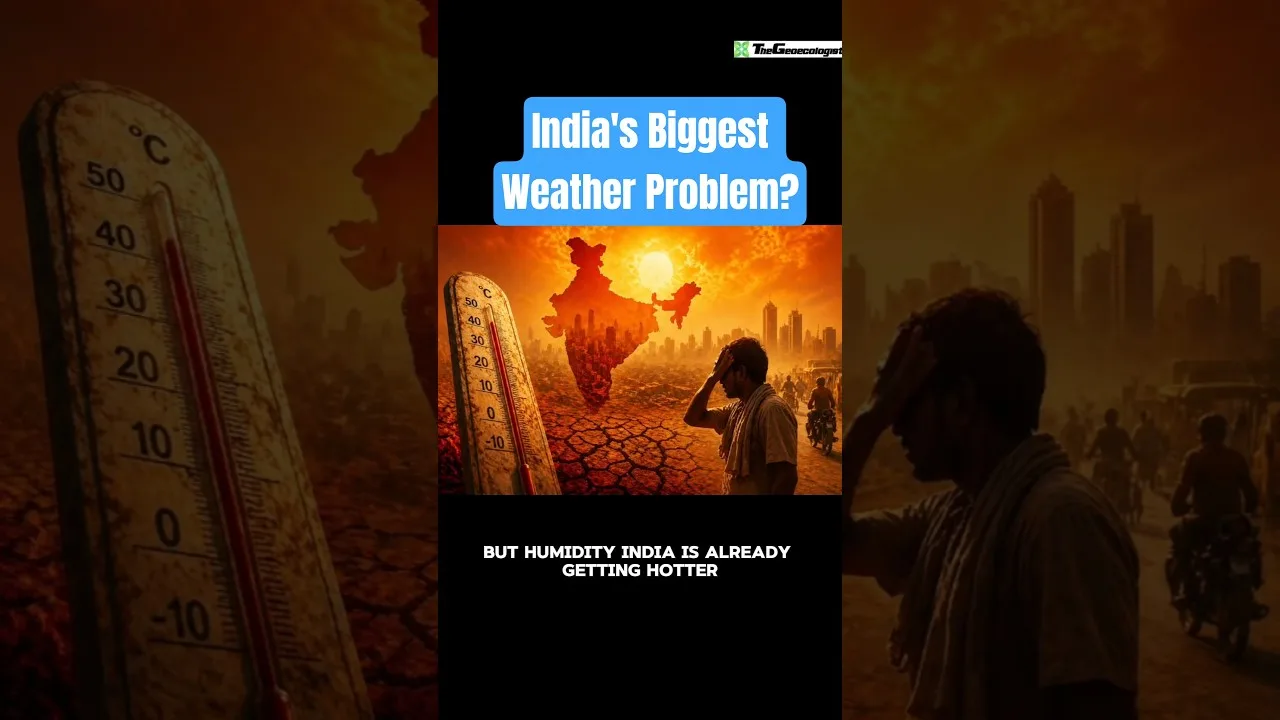
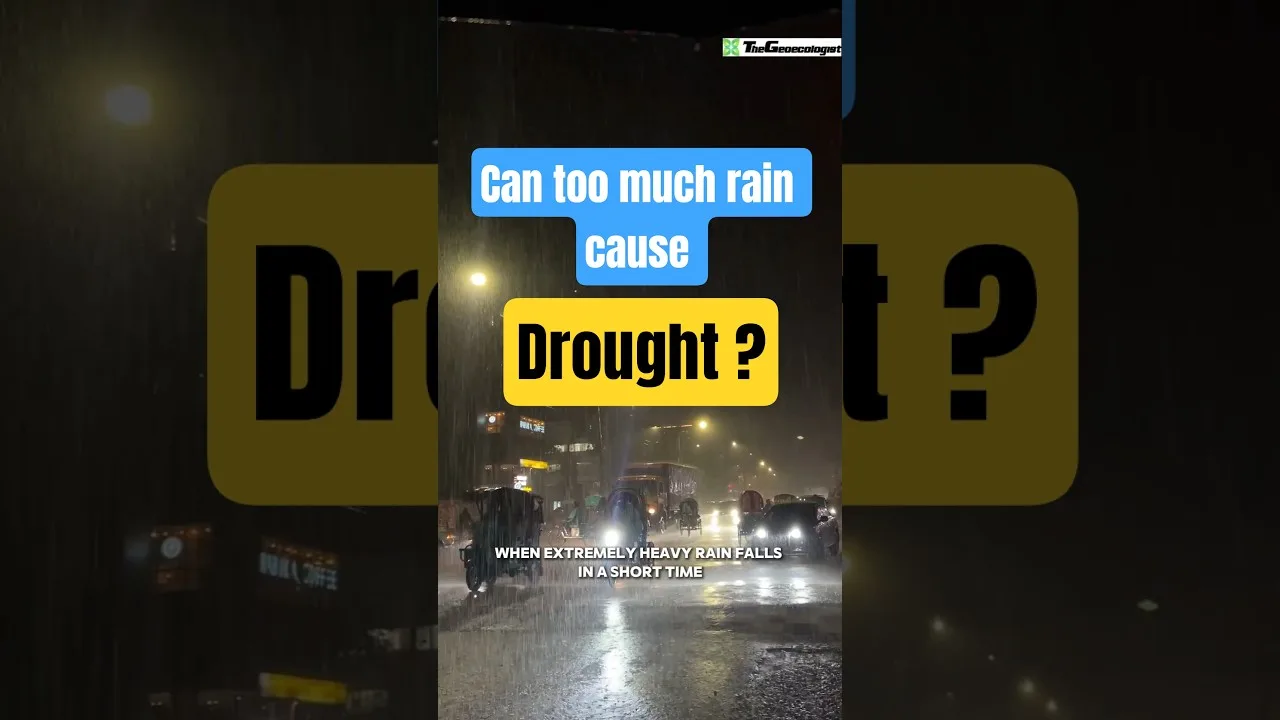
- Climatological: Droughts, wildfires (e.g., 2015–2018 Maharashtra drought).
- Biological: Pandemics, pest infestations (e.g., COVID-19 pandemic).
2. Anthropogenic Hazards
- Industrial: Chemical spills, nuclear accidents (e.g., Bhopal Gas Tragedy, 1984).
- Technological: Structural collapses, cybersecurity breaches.
- Socio-political: Warfare, terrorism.
Additional Dimensions of Classification
- Onset: Sudden (earthquakes) vs. slow-onset (desertification).
- Primary vs. Secondary: A landslide (primary) may trigger floods (secondary).
Relevance to UPSC Geography Optional
- Case Studies: Use Indian examples (e.g., Kerala floods, Chennai water crisis) to illustrate concepts.
- Disaster Management Cycle: Link classifications to mitigation (e.g., earthquake-resistant infrastructure) and preparedness (early warning systems).
- Policy Frameworks: Discuss India’s National Disaster Management Plan (NDMP) and Sendai Framework.
Why This Matters for UPSC
- Paper 1: Discuss geophysical phenomena like cyclones and their socio-economic impacts.
- Paper 2: Analyze regional planning challenges posed by hazards.
- Ethics (GS IV): Explore ethical governance in disaster response.
Resources for Aspirants
Enhance your prep with TheGeoecologist’s tailored content:
- Watch the Lecture: Classification of Hazards and Disasters.
- Website: Access courses at thegeoecologist.com.
- Social Media: Follow @thegeoecologist for updates.
Subscribe to THEGEOECOLOGIST YouTube Channel for in-depth Geography Optional content.
#disasters #hazards #disastermanagement #upsc #geographyoptional
Understanding hazard classifications equips future administrators to build resilience. Dive deeper into these concepts with Dr. Krishnanand’s expert guidance and ace your UPSC journey!
Contact: krishna.geography@gmail.com | Website: thegeoecologist.com
To Download E-Books & Study Material Visit The Shop Page