Blog
True Freedom Knowledge: Independence Day Wisdom from Indian Philosophy

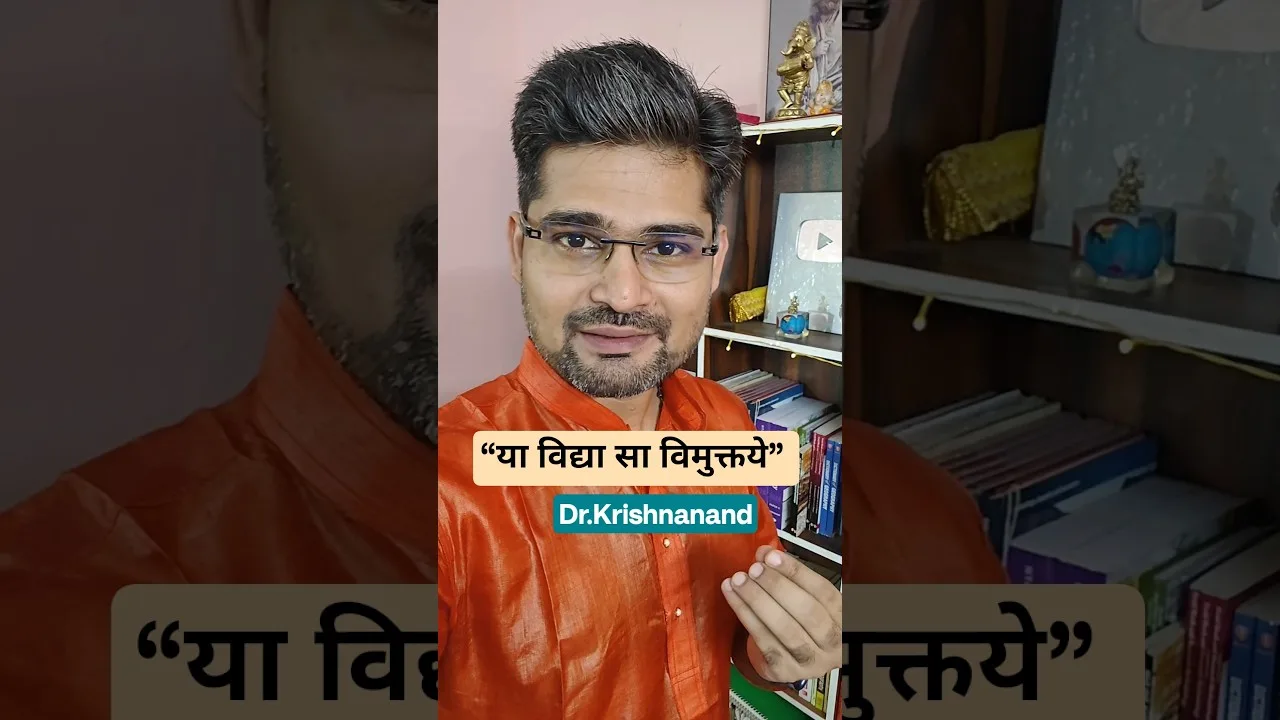
Table of Contents
- The Sanskrit Wisdom Behind True Freedom Knowledge
- Understanding "Sa Vidya Ya Vimuktaye" in Context
- Political Independence vs. Intellectual Liberation
- 1947: A Milestone, Not the Destination
- Indian Knowledge Systems as Pathways to True Freedom Knowledge
- The Role of Viveka (Discernment) in Nation-Building
- Modern Education and the Quest for Mental Liberation
- Freedom of Thought in Contemporary India
- Celebrating Independence Day with Deeper Meaning
- Conclusion: The Enduring Journey Toward Liberation
As India celebrates another Independence Day, the concept of true freedom knowledge takes center stage in our collective consciousness. The ancient Sanskrit aphorism “सा विद्या या विमुक्तये” (Sa Vidya Ya Vimuktaye) — “That is knowledge which liberates” — reminds us that genuine liberation transcends political boundaries. While 1947 marked the end of colonial rule, the journey toward intellectual and spiritual emancipation continues. This Independence Day invites us to explore how true freedom knowledge rooted in Indian wisdom traditions can transform mere political sovereignty into holistic human flourishing.
- True freedom knowledge originates from the Sanskrit principle “Sa Vidya Ya Vimuktaye” — knowledge that liberates from ignorance, fear, and superstition.
- Political independence in 1947 was a necessary milestone, but true freedom knowledge requires liberation from mental bondages.
- Indian Knowledge Systems (IKS) emphasize viveka (discernment) as the pathway to true freedom knowledge and empowered citizenship.
- Modern education must integrate true freedom knowledge principles to foster critical thinking and nation-building.
- Celebrating Independence Day meaningfully involves embracing true freedom knowledge as a daily practice, not merely an annual ritual.
The Sanskrit Wisdom Behind True Freedom Knowledge
The phrase “सा विद्या या विमुक्तये” appears in the Vishnu Purana (1.19.41), one of the eighteen Mahapuranas composed between 400–1000 CE. This concise sutra encapsulates the true freedom knowledge philosophy that has guided Indian civilization for millennia. Unlike Western conceptions of freedom as primarily negative liberty (freedom from interference), the Indic tradition views liberation as positive freedom — the capacity to realize one’s highest potential through discriminative wisdom.
Understanding “Sa Vidya Ya Vimuktaye” in Context
The verse continues: “आयासायापरं कर्म विद्याऽन्या शिल्पनैपुणम्” — “Any other knowledge is merely craftsmanship causing fatigue.” This distinction separates true freedom knowledge (para vidya) from mere technical skill (apara vidya). The Mundaka Upanishad (1.1.4-5) elaborates this dichotomy, positioning self-knowledge as the supreme science. According to the 2011 Census of India, 79.8% of the population identifies with traditions preserving this epistemological framework, demonstrating its enduring cultural relevance.
Swami Vivekananda, addressing the World’s Parliament of Religions in Chicago (1893), articulated this true freedom knowledge principle: “Education is the manifestation of the perfection already in man.” His interpretation aligns with the Upanishadic vision where knowledge isn’t information accumulation but inner unfoldment. The Ramakrishna Mission, founded in 1897, has since established over 200 educational institutions worldwide embodying this philosophy.
Political Independence vs. Intellectual Liberation

1947: A Milestone, Not the Destination
On August 15, 1947, India achieved political sovereignty after nearly 200 years of British colonial rule. The Indian Independence Act 1947, passed by the UK Parliament, transferred legislative supremacy to the Constituent Assembly. However, as Dr. B.R. Ambedkar warned in his final speech to the Constituent Assembly (November 25, 1949): “Political democracy cannot last unless there lies at the base of it social democracy… We must make our political democracy a social democracy as well.” This insight reveals that true freedom knowledge demands continuous vigilance against internal colonialism — caste oppression, gender inequality, and economic exploitation.
Rabindranath Tagore, in his 1908 novel Gora and 1917 lectures on nationalism, distinguished between political freedom and true freedom knowledge. He argued that mechanical adoption of Western institutions without indigenous ethical grounding produces “mimic men” rather than liberated citizens. Tagore’s Visva-Bharati University (established 1921) experimented with an educational model integrating true freedom knowledge principles — freedom of mind, harmony with nature, and global citizenship.
Indian Knowledge Systems as Pathways to True Freedom Knowledge
The National Education Policy (NEP) 2020 explicitly recognizes Indian Knowledge Systems (IKS) as essential for holistic development. The policy mandates integrating IKS across curricula, acknowledging that true freedom knowledge emerges from traditions including Vedanta, Yoga, Nyaya, Vaisheshika, Samkhya, Mimamsa, Buddhism, and Jainism. These darshanas (philosophical systems) offer rigorous methodologies for examining consciousness, ethics, and epistemology.
A 2022 study by the Indian Council of Philosophical Research (ICPR) documented over 50,000 Sanskrit manuscripts on epistemology alone, demonstrating the sophistication of Indic knowledge traditions. The Ministry of Education’s IKS division, established in 2020, has since funded 150+ research projects exploring applications of true freedom knowledge in contemporary contexts — from AI ethics to environmental sustainability.
The Role of Viveka (Discernment) in Nation-Building
Viveka — discriminative discernment between the real and unreal, eternal and transient — constitutes the operational core of true freedom knowledge. The Bhagavad Gita (Chapter 18, Verse 30-31) classifies understanding into three grades based on guna (quality): sattvic (clarity), rajasic (confusion), and tamasic (delusion). Only sattvic buddhi (intellect) grasps true freedom knowledge — distinguishing duty from desire, rights from responsibilities.
This framework directly informs constitutional morality. The Preamble’s ideals — justice, liberty, equality, fraternity — require citizens equipped with true freedom knowledge to translate abstract principles into lived reality. The Supreme Court’s 2018 Navtej Singh Johar judgment decriminalizing homosexuality cited constitutional morality rooted in transformative constitutionalism, exemplifying true freedom knowledge in judicial reasoning.
Modern Education and the Quest for Mental Liberation
Contemporary education faces what philosopher Jiddu Krishnamurti termed “the crisis of conditioning.” In his 1953 work Education and the Significance of Life, Krishnamurti argued that conventional schooling replicates societal prejudices rather than fostering true freedom knowledge. The Annual Status of Education Report (ASER) 2023 reveals that only 42.8% of Grade 5 students in rural India can read Grade 2 level text, indicating systemic failures in delivering even basic literacy, let alone true freedom knowledge.
The NEP 2020’s emphasis on “critical thinking,” “creativity,” and “multidisciplinary learning” aligns with true freedom knowledge objectives. However, implementation challenges persist. A 2023 NITI Aayog report notes that 68% of teachers lack training in pedagogical approaches fostering independent inquiry. Bridging this gap requires reimagining teacher education through true freedom knowledge frameworks — moving from rote transmission to facilitative mentorship.
Freedom of Thought in Contemporary India
Article 19(1)(a) of the Constitution guarantees freedom of speech and expression, but true freedom knowledge demands more than legal protection — it requires intellectual courage. The 2024 World Press Freedom Index by Reporters Without Borders ranks India 159th among 180 countries, highlighting the gap between constitutional guarantees and lived reality. Cultivating true freedom knowledge means nurturing citizens who question power, examine assumptions, and resist manufactured consent.
Digital technology presents both opportunities and threats to true freedom knowledge. India’s 820 million internet users (TRAI, 2024) access unprecedented information, yet algorithmic curation creates echo chambers. The Ministry of Electronics and Information Technology’s 2023 Digital Personal Data Protection Act attempts balancing innovation with autonomy. True digital literacy — a modern manifestation of true freedom knowledge — empowers users to navigate this landscape critically.
Celebrating Independence Day with Deeper Meaning
This Independence Day, embracing true freedom knowledge means moving beyond flag-hoisting ceremonies to substantive engagement with liberty’s intellectual foundations. Educational institutions can organize vikas samvads (development dialogues) exploring how true freedom knowledge addresses contemporary challenges — climate justice, technological ethics, social equity. Communities can revive the sabha tradition of deliberative democracy, practicing true freedom knowledge through inclusive discourse.
Individuals cultivate true freedom knowledge through daily practices: svadhyaya (self-study of liberating texts), satsang (dialogue with truth-seekers), and seva (service expressing liberated compassion). The Art of Living Foundation, founded in 1981, reports 450 million participants across 180 countries experiencing true freedom knowledge through breath-based meditation — demonstrating global resonance of these principles.
As the Tricolor unfurls this August 15, let us remember that the saffron represents courage fueled by true freedom knowledge, white signifies peace born of wisdom, green embodies prosperity rooted in ecological harmony, and the Ashoka Chakra’s 24 spokes symbolize the Dharma of righteous action guided by discriminative intellect. Independence Day thus becomes not merely commemoration but recommitment to the ongoing project of true freedom knowledge — for ourselves, our nation, and humanity.
Conclusion: The Enduring Journey Toward Liberation
The trajectory from political independence to true freedom knowledge remains incomplete — perhaps permanently so, as liberation is a process, not a destination. Each generation must reinterpret “सा विद्या या विमुक्तये” for its context, translating ancient wisdom into contemporary praxis. The Geoecologist’s reminder that “knowledge leads to freedom, discernment to power, and independent thought to nation-building” encapsulates this perpetual endeavor. As we celebrate another Independence Day, may we honor our freedom fighters’ sacrifice by pursuing the true freedom knowledge that alone can fulfill their vision of a truly liberated India — Jai Hind.
For deeper exploration of Indian Knowledge Systems and their relevance today, visit the Ministry of Education’s IKS portal or consult the comprehensive overview of Indian philosophy on Wikipedia.
Frequently Asked Questions
The Sanskrit phrase 'Sa Vidya Ya Vimuktaye' translates to 'That is knowledge which liberates.' It represents the core principle of true freedom knowledge in Indian philosophy — distinguishing liberating wisdom (para vidya) from mere technical skill (apara vidya). This concept emphasizes that genuine education frees the mind from ignorance, fear, superstition, and mental bondages, enabling individuals to realize their highest potential through discriminative discernment (viveka).
Political independence, achieved in 1947, ended colonial rule and established sovereign governance. True freedom knowledge goes beyond external liberation to address internal colonialism — caste oppression, gender inequality, psychological conditioning, and intellectual dependency. As Dr. Ambedkar emphasized, political democracy requires social democracy as its foundation. True freedom knowledge cultivates the critical thinking, ethical discernment, and spiritual maturity necessary for citizens to actualize constitutional ideals in daily life.
Modern education can integrate true freedom knowledge by: (1) Adopting NEP 2020's mandate for Indian Knowledge Systems across curricula, (2) Shifting from rote learning to inquiry-based pedagogy fostering viveka (discernment), (3) Including texts like Upanishads, Bhagavad Gita, and Buddhist literature as philosophical resources, not religious dogma, (4) Training teachers in facilitative methods that nurture independent thought, and (5) Creating spaces for deliberative dialogue (sabha tradition) where students practice constitutional morality through reasoned discourse.