Nature and Scope of Hydrology: Approaches & Applications
Understanding the Nature and Scope of Hydrology: Approaches & Applications
An Essential Guide for Students and UPSC Aspirants
Hydrology, the scientific study of water’s distribution, movement, and properties across Earth’s systems, is a cornerstone of environmental science. Its interdisciplinary nature bridges geography, geology, climatology, and disaster management, offering critical insights into sustainable water resource management. This article simplifies the nature, scope, approaches, and applications of hydrology, tailored for students and UPSC/IAS aspirants seeking to excel in exams like Geography Optional and General Studies.
The Nature of Hydrology
At its core, hydrology revolves around the hydrological cycle, a dynamic process involving evaporation, precipitation, infiltration, runoff, and groundwater flow. Key aspects include:
- Physical Processes: Understanding interactions between water, land, and atmosphere.
- Spatial and Temporal Variability: Analyzing how water availability differs across regions and seasons.
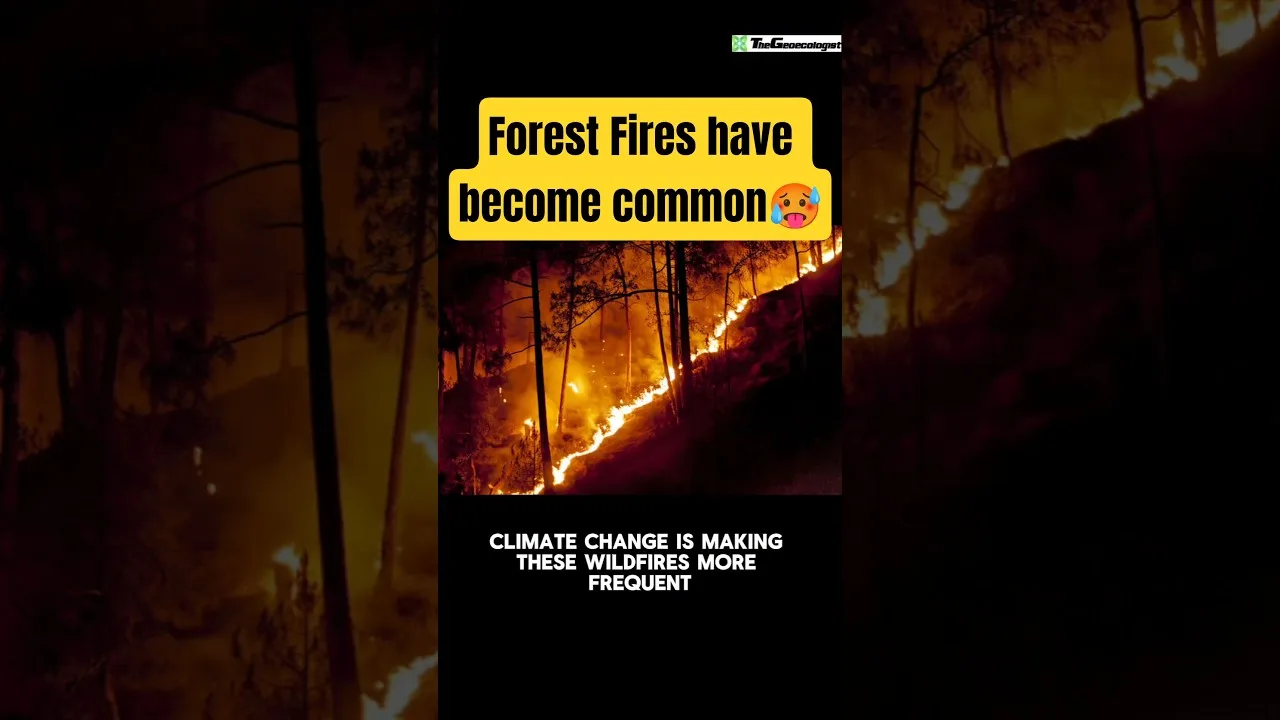
- Human Impact: Assessing how urbanization, agriculture, and climate change alter natural water systems.
Hydrology is inherently multidisciplinary, integrating physics, chemistry, and biology to address challenges like water scarcity and pollution.
Scope of Hydrology
The scope extends beyond academic theory to real-world problem-solving:
- Interdisciplinary Applications: Collaborating with agriculture (irrigation), urban planning (stormwater management), and ecology (wetland conservation).
- Global Relevance: Addressing transboundary water disputes, climate resilience, and SDG 6 (Clean Water and Sanitation).
- Local Contexts: In India, managing monsoon variability, river interlinking projects, and groundwater depletion.
Approaches in Hydrological Studies
Modern hydrology employs diverse methodologies:
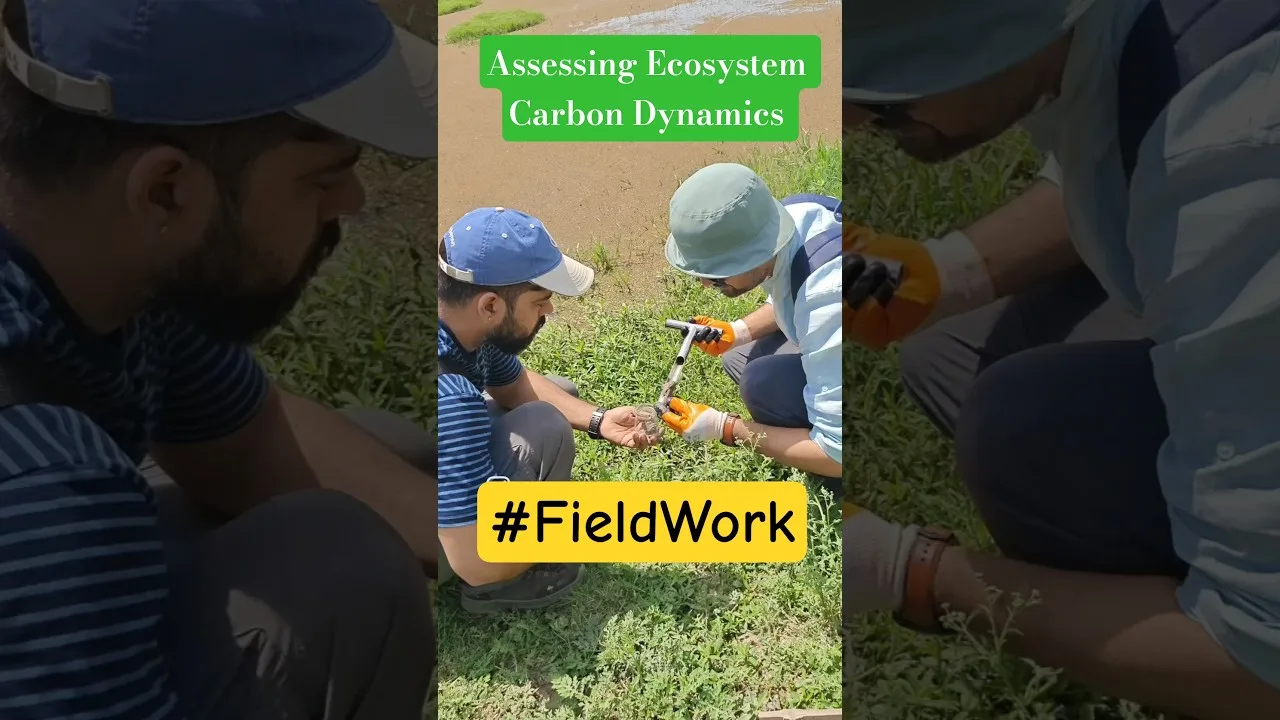
- Field-Based Studies: Measuring rainfall, river discharge, and groundwater levels.
- Statistical Modeling: Predicting flood frequencies or drought probabilities using historical data.
- Computational Tools: Simulating watershed dynamics with software like SWAT or HEC-RAS.
- Remote Sensing & GIS: Mapping surface water bodies and monitoring glacial retreat via satellites.
These approaches enable precise resource assessment and disaster preparedness.
Applications of Hydrology
- Disaster Management:
- Flood Forecasting: Using hydrological models to predict river overflow.
- Drought Mitigation: Assessing groundwater recharge and promoting rainwater harvesting.
- Water Resource Management:
- Designing reservoirs and irrigation networks.
- Implementing policies like India’s Jal Shakti Abhiyan.
- Environmental Sustainability:
- Protecting wetlands and regulating pollution in river systems like the Ganga.
- Climate adaptation strategies for glacial lake outburst floods (GLOFs) in the Himalayas.
Relevance for UPSC and Academic Courses
- Geography Optional: Topics like the hydrological cycle, water resources, and climate change are integral to Paper I and II.
- General Studies (GS) Paper I & III: Covers disaster management, environmental ecology, and infrastructure planning.
- Disaster Management Studies: Hydrological knowledge is vital for risk assessment and community resilience frameworks.
Dr. Krishnanand’s Simplified Hydrology eBook (available here) offers concise notes and case studies aligned with UPSC syllabi, making it a must-read for aspirants.
Conclusion
Hydrology’s role in addressing 21st-century challenges—from water security to climate adaptation—cannot be overstated. For students and UPSC candidates, mastering this subject unlocks opportunities to contribute to policy-making and sustainable development. Explore detailed lectures on Dr. Krishnanand’s YouTube channel THEGEOECOLOGIST and enroll in specialized courses at TheGeoecologist Institute to deepen your expertise.
#hydrology #disastermanagement #UPSCGeography #waterresources #ClimateAction
Empower your academic journey with strategic learning—because every drop of knowledge counts! 🌍💧
To Download E-Books & Study Material Visit The Shop Page