Blog
Iran Israel Conflict Recession: Could Middle East Tensions Trigger Global Economic Collapse?

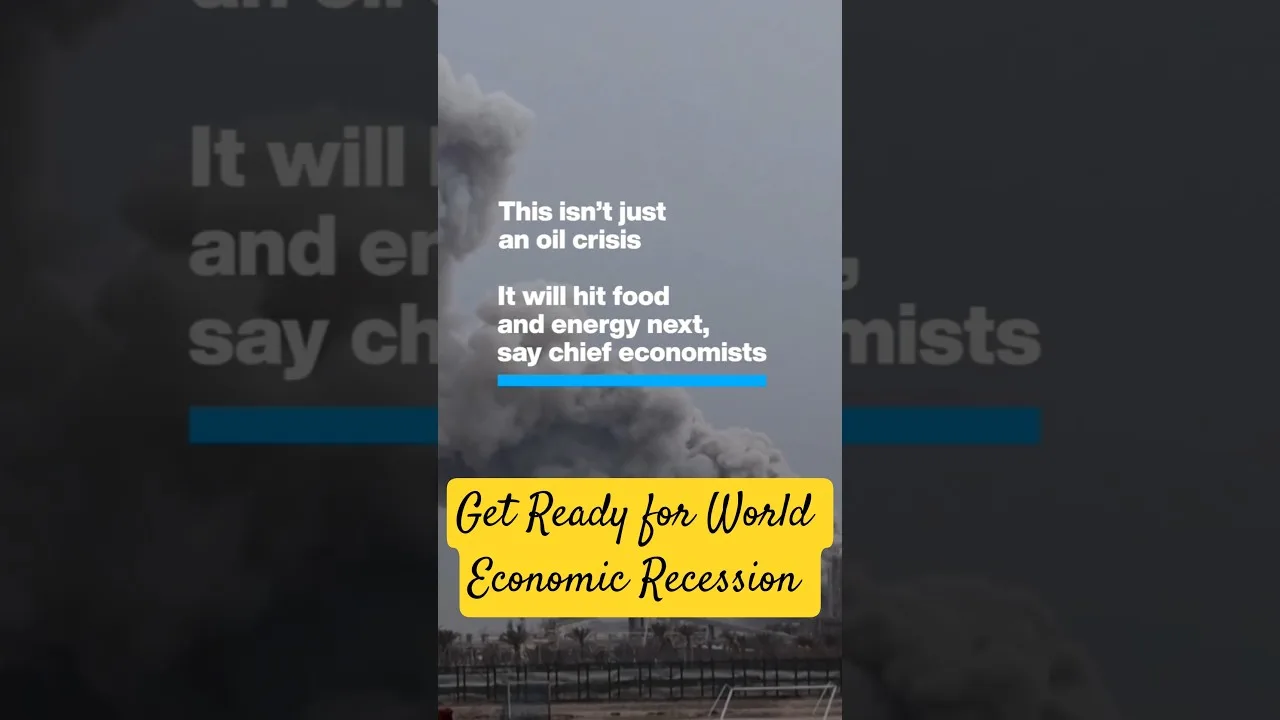
Table of Contents
- Anatomy of the Iran Israel Conflict Recession Transmission Mechanism
- Stage 1: Supply Disruption at the Strait of Hormuz
- Stage 2: Oil Price Explosion and Financial Contagion
- Stage 3: Central Bank Policy Trap and Demand Destruction
- Regional Exposure Matrix: Who Bears the Brunt?
- India: The Canary in the Coal Mine
- European Union: Stagflation Redux
- Emerging Markets: The Debt Trap
- Supply Chain Paralysis Beyond Energy
- Market Signals: Fear Indices Flashing Amber
- Equity Volatility and Sector Rotation
- Gold and Crypto: Diverging Safe Havens
- Credit Markets: The Real Economy Transmission
- Two Divergent Scenarios: Quantifying the Outcomes
- Scenario A: Escalation War (Probability: 25–30% per prediction markets)
- Scenario B: Controlled Diplomacy (Probability: 70–75%)
- The Geographer's Lens: Structural Vulnerability
- Policy Recommendations: Circuit Breakers for Decision-Makers
- Immediate (0–30 days)
- Medium-term (3–12 months)
- Structural (1–5 years)
- Conclusion: Vigilance Without Fatalism
The escalating Iran Israel conflict recession scenario has moved from theoretical risk to immediate policy concern as Tehran, Tel Aviv, and Washington navigate the most dangerous Middle East escalation since the 1973 Yom Kippur War. With the Strait of Hormuz — the world’s most critical oil chokepoint — caught in the crosshairs, economists and geopolitical analysts warn that a full-spectrum confrontation could unleash a synchronized global downturn within quarters, not years.
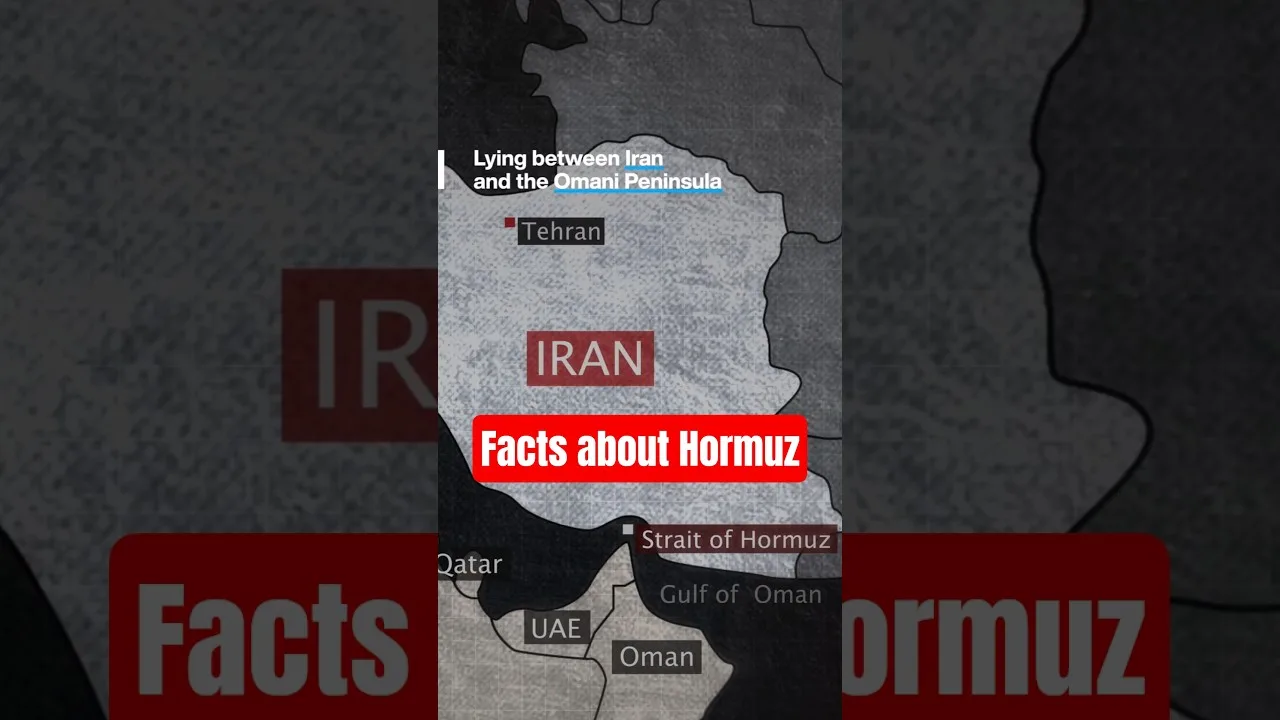
- Chokepoint vulnerability: The Strait of Hormuz handles ~20% of global petroleum liquids transit; any sustained closure would remove 18–21 million barrels per day from world markets.
- Price shock magnitude: Historical analogs (1973 embargo, 1990 Gulf War, 2019 Abqaiq attacks) suggest Brent crude could spike to $150–$200+ per barrel under blockade conditions.
- Inflation transmission: Energy-intensive sectors (transport, petrochemicals, agriculture) would face immediate cost-push pressures, forcing central banks into a rate-hike cycle amid slowing growth — classic stagflation.
- Geographic asymmetry: Net energy importers (India, EU, Japan, South Korea) absorb the terms-of-trade hit first; emerging markets with dollar-denominated debt face sovereign stress.
- Diplomatic off-ramps: Back-channel talks, OPEC+ spare capacity, and U.S. Strategic Petroleum Reserve releases remain the primary circuit-breakers preventing recession.
Anatomy of the Iran Israel Conflict Recession Transmission Mechanism
Stage 1: Supply Disruption at the Strait of Hormuz
The Iran Israel conflict recession pathway begins with physical disruption. Iran’s Islamic Revolutionary Guard Corps (IRGC) has repeatedly demonstrated the ability to harass, seize, or damage commercial vessels in the Strait — a 39-kilometer-wide passage separating the Persian Gulf from the Gulf of Oman. In 2019, limpet mine attacks on tankers off Fujairah and the downing of a U.S. Global Hawk drone proved Tehran’s willingness to weaponize maritime insecurity. A deliberate mining campaign or anti-ship missile barrage could halt transit entirely, forcing insurers to suspend coverage and shipowners to reroute around the Cape of Good Hope — adding 10–14 days and $300,000–$500,000 per voyage.
According to the U.S. Energy Information Administration, 18.5 million barrels per day of crude and condensate transited the Strait in 2023, representing 20% of global liquids consumption. No alternative pipeline network can compensate at scale; the East-West Pipeline (Petroline) in Saudi Arabia and the UAE’s Fujairah export terminal collectively offer <2.5 mb/d bypass capacity — insufficient to prevent a catastrophic supply deficit. — a key consideration for Iran Israel conflict recession.
Stage 2: Oil Price Explosion and Financial Contagion
Commodity models from the International Energy Agency (IEA) and OPEC Secretariat indicate that a 15–20 mb/d supply loss — unprecedented in modern history — would overwhelm global spare capacity (currently ~3–4 mb/d, concentrated in Saudi Arabia and UAE). Brent futures would likely gap above $150/bbl within days; a prolonged closure could test $200/bbl, surpassing the 2008 peak of $147.50. The 1973 oil crisis — triggered by a 5 mb/d Arab embargo — caused OECD inflation to double and global GDP to contract 0.6% in 1974–75. A Hormuz shock would be 3–4x larger in volume terms. — a key consideration for Iran Israel conflict recession.
Financial markets would reprice violently. Equity risk premiums would surge as earnings forecasts incorporate higher input costs and demand destruction. The S&P 500 energy sector might rally initially, but broad indices would sell off — tech and consumer discretionary leading declines. Credit spreads on high-yield corporate debt would widen 300–500 bps. Emerging market sovereign CDS (Turkey, Egypt, Pakistan) would spike, reflecting sudden stops in capital flows. Gold, the traditional geopolitical hedge, could breach $2,500/oz as real yields collapse.
Stage 3: Central Bank Policy Trap and Demand Destruction
The Iran Israel conflict recession dynamic forces central banks into an impossible choice: hike rates to anchor inflation expectations (risking credit crunches and mortgage distress) or hold steady (risking de-anchoring and currency crises). The Federal Reserve, ECB, and Bank of England would face headline CPI prints accelerating 2–3 percentage points above baseline within 3–6 months. Core inflation, stripped of volatile energy, would follow with a lag as transport and petrochemical feedstocks permeate supply chains.
Historical precedent is sobering. After the 1979 Iranian Revolution (5.7 mb/d lost), the Fed under Volcker hiked the federal funds rate to 20%, engineering a double-dip recession (1980, 1981–82) with unemployment peaking at 10.8%. Today’s debt-to-GDP ratios — 120%+ in the U.S., 90%+ in the eurozone, 260% in Japan — make aggressive tightening far more dangerous. Interest expense on U.S. federal debt already exceeds $1 trillion annually; a 200 bps rate increase adds $200bn+ to deficits.
Regional Exposure Matrix: Who Bears the Brunt?
India: The Canary in the Coal Mine
India imports 85% of its crude, with 60%+ sourced from the Persian Gulf (Iraq, Saudi Arabia, UAE). A Hormuz closure would widen the current account deficit from 1.5% to 3–4% of GDP, depreciate the rupee 10–15%, and force RBI rate hikes. Fertilizer subsidies (urea production is gas-intensive) would balloon, straining the fiscal deficit target of 4.9% for FY25. Manufacturing PMI would contract as input costs outpace output prices.
European Union: Stagflation Redux
Despite diversification efforts post-2022 (Russian pipeline gas replaced by LNG), the EU still imports 12–15% of crude via Hormuz. Energy-intensive industries — German chemicals (BASF, Covestro), Italian ceramics, French aluminum — face competitiveness erosion. The ECB’s 2% inflation target would become unattainable for 12–18 months, delaying rate cuts and prolonging the eurozone’s near-zero growth trajectory.
Emerging Markets: The Debt Trap
Countries with twin deficits (current account + fiscal) and high external debt — Pakistan, Egypt, Turkey, Ghana, Kenya — face a perfect storm. Higher oil import bills drain reserves; tighter global financial conditions raise rollover risk; currency depreciation fuels domestic inflation. IMF programs would require additional austerity, risking social unrest. The 2022 Sri Lanka precedent (fuel shortages → protests → sovereign default) looms large.
Supply Chain Paralysis Beyond Energy

The Strait of Hormuz is not merely an oil artery. Approximately 30% of global maritime trade by value transits the waterway, including liquefied natural gas (Qatar exports 77 mtpa, ~25% of global LNG), petrochemicals, and containerized goods from Asian manufacturing hubs to European and East Coast U.S. ports. A closure would:
- Disrupt just-in-time delivery of semiconductors, automotive parts, and pharmaceuticals
- Increase shipping costs 200–300% as vessels reroute via Cape of Good Hope
- Create container imbalances (empty boxes stranded in wrong regions)
- Delay LNG deliveries to European regasification terminals, risking winter heating shortfalls
The IEA’s Oil Market Report (March 2024) emphasizes that “simultaneous disruption of crude, products, and LNG through Hormuz has no historical precedent and would overwhelm strategic stock release mechanisms.” OECD strategic petroleum reserves (1.2 billion barrels) cover ~60 days of net imports — sufficient for a brief shock, not a protracted conflict.
Market Signals: Fear Indices Flashing Amber
Equity Volatility and Sector Rotation
The CBOE VIX index typically spikes 10–15 points during Middle East escalations (Oct 2023: VIX rose from 17 to 22 in one week). A Hormuz closure could push VIX >40 (COVID/GFC territory). Sector rotation would favor energy, utilities, and consumer staples; punish semiconductors, airlines, and discretionary retail. The MSCI World Energy Index outperformed the broad index by 45% in 2022; a similar divergence would recur.
Gold and Crypto: Diverging Safe Havens
Gold’s negative correlation with real yields makes Iran Israel conflict recession the primary geopolitical hedge. Central bank buying (1,037 tonnes in 2023, per World Gold Council) provides structural support. A Iran Israel conflict recession scenario could drive gold to $2,600–$2,800/oz. Bitcoin, by contrast, behaves as a risk-on liquidity proxy — Iran Israel conflict recession fell 60% in 2022 as the Fed hiked. In a liquidity crunch, BTC could retest $20,000–$25,000 despite “digital gold” narratives.
Credit Markets: The Real Economy Transmission
Watch high-yield spreads (ICE BofA US HY Index) and emerging market sovereign spreads (JPM EMBI Global Diversified). A move from 350 bps to 600+ bps in U.S. HY signals recession pricing. EMBI >500 bps indicates widespread distress. Corporate default rates would rise from 4% to 8–10% trailing twelve months.
Two Divergent Scenarios: Quantifying the Outcomes
Scenario A: Escalation War (Probability: 25–30% per prediction markets)
- Iran blockades Hormuz; U.S. Fifth Fleet engages IRGC naval assets
- Israel strikes Iranian nuclear facilities (Natanz, Fordow, Isfahan)
- Hezbollah opens northern front; Houthis intensify Red Sea attacks
- GCC states (Saudi, UAE, Qatar) drawn in via infrastructure targeting
- Oil: $180–$220/bbl sustained 6–12 months
- Global GDP: -1.5% to -2.5% (IMF baseline +3.2%)
- Inflation: OECD headline 6–8% YoY
- Policy: Fed hikes to 6.5–7%; ECB to 4.5%
- Duration: 4–6 quarters until supply rebalancing
Scenario B: Controlled Diplomacy (Probability: 70–75%)
- Limited Israeli strikes on Iranian air defense/missile sites (April 2024 template)
- Iran responds symbolically (drone salvo, mostly intercepted)
- Back-channel de-escalation via Oman, Qatar, Switzerland
- Hormuz remains open; risk premium adds $10–$15/bbl
- Oil: $90–$110/bbl range
- Global GDP: +2.8–3.0% (modest drag)
- Inflation: Transitory 0.3–0.5 pp lift
- Policy: Fed cuts 50–75 bps in H2 2025
The Geographer’s Lens: Structural Vulnerability
As geopolitical analyst TheGeoecologist emphasizes, the Iran Israel conflict recession risk is not cyclical — Iran Israel conflict recession is structural. The geographic concentration of 48% of proven oil reserves and 40% of gas reserves in the Persian Gulf basin, combined with the Hormuz bottleneck, creates a permanent single point of failure for the global energy system. No amount of financial engineering or strategic stockpiling eliminates this geographic reality.
Two structural shifts could reduce vulnerability over the long term:
- Energy transition acceleration: Electrification of transport (EV share >50% of new sales by 2030 in major markets) and green hydrogen deployment reduce oil demand elasticity.
- Supply diversification: Non-OPEC+ growth (U.S., Canada, Guyana, Brazil) and new export routes (Trans-Arabian Pipeline revival, Indian Ocean ports) dilute Hormuz’s share.
However, both trends operate on decadal timescales. In 2024–2026, the world remains hostage to the Strait.
Policy Recommendations: Circuit Breakers for Decision-Makers
Immediate (0–30 days)
- Pre-position U.S. naval assets for minesweeping and convoy operations (Operation Earnest Will 1987–88 precedent)
- Coordinate IEA collective action: 60-day strategic stock release (120 mbbl) announcement
- Activate OPEC+ spare capacity pledge (Saudi + UAE + Kuwait = ~3 mb/d within 90 days)
- Establish maritime insurance backstop (government reinsurance for tankers transiting Hormuz)
Medium-term (3–12 months)
- Accelerate SPR replenishment at $70–$75/bbl (budget-neutral for taxpayers)
- Incentivize domestic critical mineral processing (reduce reliance on Chinese refining)
- Deepen India–GCC energy corridor (rupee-dirham settlement, strategic storage in India)
- Reform WTO rules to prevent export restrictions on food/fertilizer during supply shocks
Structural (1–5 years)
- Massive capital deployment into grid storage, nuclear (SMRs), and synthetic fuels
- Redundant pipeline infrastructure: Iraq–Turkey, Iran–Pakistan–India (if sanctions ease), East–West expansion
- Multilateral conflict prevention framework: Hormuz Code of Conduct (UNCLOS-based, GCC+Iran+US+EU+China+India)
Conclusion: Vigilance Without Fatalism
The Iran Israel conflict recession is a plausible, high-impact tail risk — not a foregone conclusion. Financial markets currently price a 15–20% probability of Hormuz disruption (implied by Brent risk premium and option skew). That probability rises with every missile exchange, every proxy attack, every diplomatic breakdown. The difference between Scenario A and Scenario B is measured in trillions of dollars of lost output, millions of jobs, and years of development gains erased in the Global South.
Policymakers, investors, and citizens must monitor three leading indicators daily: (1) tanker insurance rates and transit volumes through Hormuz, (2) Saudi spare capacity utilization and OPEC+ compliance data, (3) back-channel diplomatic traffic (Oman, Qatar, Iraq mediation visits). The next economic chapter is being written in the Persian Gulf — and the world holds its breath.
Frequently Asked Questions
Prediction markets assign a 25–30% probability to a full Hormuz blockade scenario, which would likely trigger a synchronized global recession within 6 months. A controlled escalation (70–75% probability) would cause only transient inflation.
Historical analysis suggests sustained Brent crude above $150/bbl for 2+ quarters typically induces recession in OECD economies. A Hormuz closure could push prices to $180–$220/bbl, well above this threshold.
Net energy importers with high debt and weak currencies — India, Turkey, Egypt, Pakistan, and eurozone industrial economies — face the largest terms-of-trade shocks, capital outflows, and stagflation risk.