


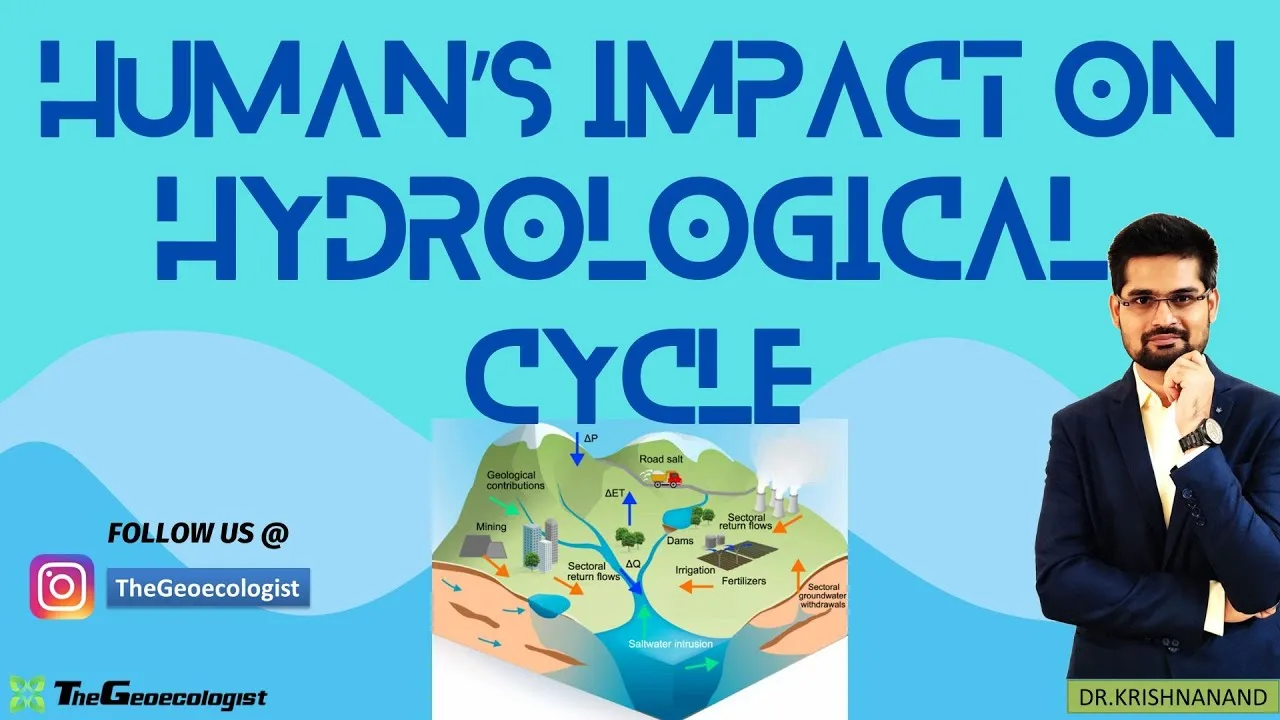
Human’s Impact on Hydrological Cycle – TheGeoecologist #hydrology
Understanding Human Impact on the Hydrological Cycle: Insights for Geography and UPSC Aspirants
The hydrological cycle, a cornerstone of Earth’s ecosystems, governs the continuous movement of water between the atmosphere, land, and oceans. However, human activities have significantly disrupted this natural process, leading to cascading environmental challenges. Dr. Krishnanand, founder of TheGeoecologist, simplifies these complexities in his lecture, "Human Impact on the Hydrological Cycle," offering crucial insights for students and UPSC aspirants. This article synthesizes key takeaways from his discussion and highlights their relevance to academic and competitive exam preparation.
The Natural Hydrological Cycle: A Brief Overview
The hydrological cycle involves evaporation, condensation, precipitation, infiltration, and runoff. These processes maintain water availability, regulate climate, and support ecosystems. Any disruption to this cycle—natural or anthropogenic—can trigger ecological imbalances.
Human Interventions Reshaping the Water Cycle
Human activities have altered every component of the hydrological cycle, often with unintended consequences:
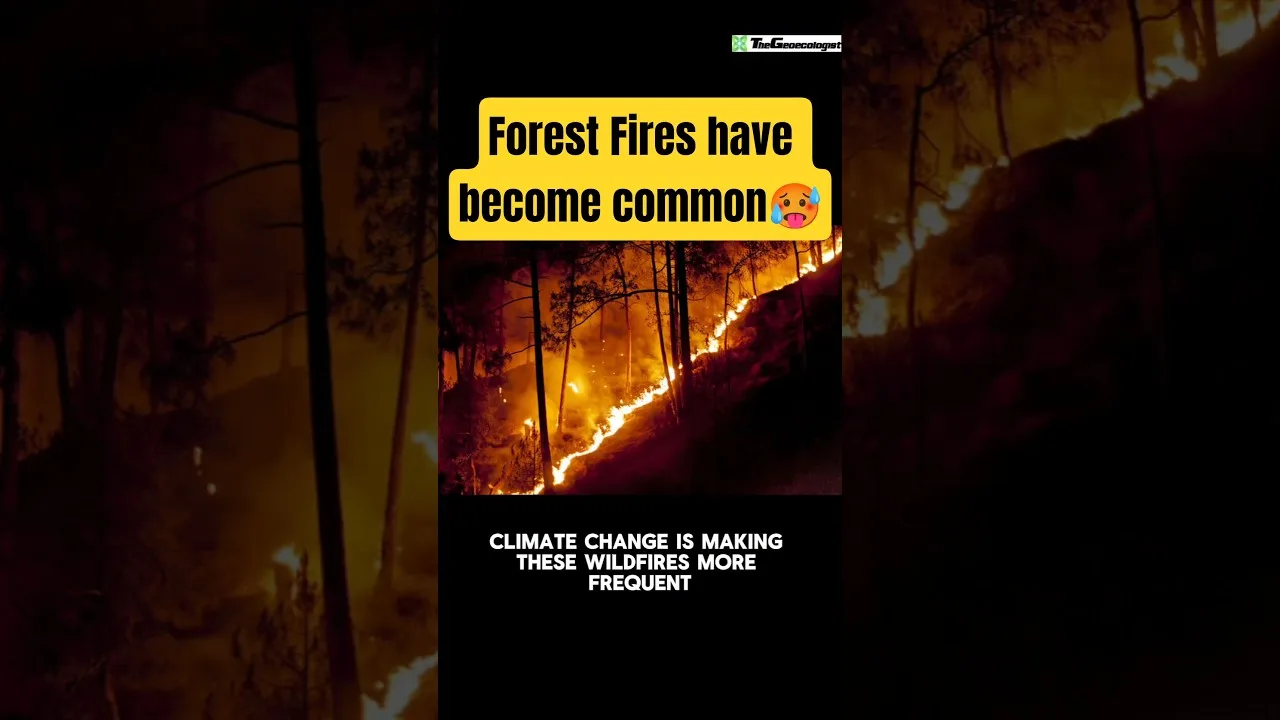
Deforestation and Land-Use Changes
- Impact: Reduces transpiration and infiltration, increasing surface runoff.
- Consequence: Higher flood risks, soil erosion, and reduced groundwater recharge.
- Example: Deforestation in the Western Ghats has disrupted monsoon patterns, affecting agriculture in peninsular India.
Urbanization and Impervious Surfaces
- Impact: Concrete landscapes limit infiltration, accelerating runoff.
- Consequence: Urban flooding, as seen in Mumbai and Chennai, coupled with depleted local aquifers.
Agricultural Practices
- Impact: Excessive groundwater extraction for irrigation and chemical runoff from fertilizers.
- Consequence: Depletion of water tables (e.g., Punjab’s falling groundwater levels) and eutrophication of water bodies.
Climate Change
- Impact: Alters precipitation patterns and intensifies extreme weather events.
- Consequence: Erratic monsoons, prolonged droughts, and catastrophic floods.
- Pollution
- Impact: Industrial discharge and plastic waste contaminate freshwater systems.
- Consequence: Degraded water quality, impacting health and biodiversity.
Disaster Management Implications
Altered hydrological cycles exacerbate disasters:
- Floods and Droughts: Urbanization and deforestation amplify flood severity, while over-extraction worsens water scarcity.
- Landslides: Soil saturation from erratic rainfall increases slope instability in hilly regions like Uttarakhand.
- Water Conflicts: Competing demands for dwindling resources spark inter-state disputes, a critical topic for disaster management studies.
Relevance for Academic and UPSC Preparation
Dr. Krishnanand’s lecture aligns with curricula for:
- Geography Optional (UPSC): Topics like human-environment interactions, water resources, and climate change are integral to Paper I and II.
- General Studies (GS) Papers: Covers environmental ecology (GS III) and disaster management.
- Disaster Management Courses: Links hydrological changes to risk assessment and mitigation strategies.
His simplified explanations demystify complex concepts, aiding beginners and advanced learners alike.
Deepen Your Knowledge with TheGeoecologist
For comprehensive understanding, explore these resources:
- eBook: Simplified Hydrology by Dr. Krishnanand offers structured content for UPSC and university exams. Download Here.
- Online Courses: Visit TheGeoecologist for affordable geography courses tailored to competitive exams.
- YouTube Channel: Subscribe to THEGEOECOLOGIST for lectures on hydrology, climatology, and more.
Course inquiries: WhatsApp 9311052969.
Conclusion
Understanding human impacts on the hydrological cycle is vital for sustainable resource management and disaster resilience. Dr. Krishnanand’s expertise equips students to tackle exam questions and real-world challenges with clarity. Embrace these insights to excel in academics, UPSC, and beyond.
#Hydrology #HydrologicalCycle #UPSCGeography #DisasterManagement #TheGeoecologist
Follow on Instagram: @thegeoecologist
Visit Website: https://thegeoecologist.com/
Empower your preparation with knowledge that bridges theory and reality! 🌍💧
To Download E-Books & Study Material Visit The Shop Page