

Blog
Glacier Collapse Nepal: Devastating Floods in Rasuwa

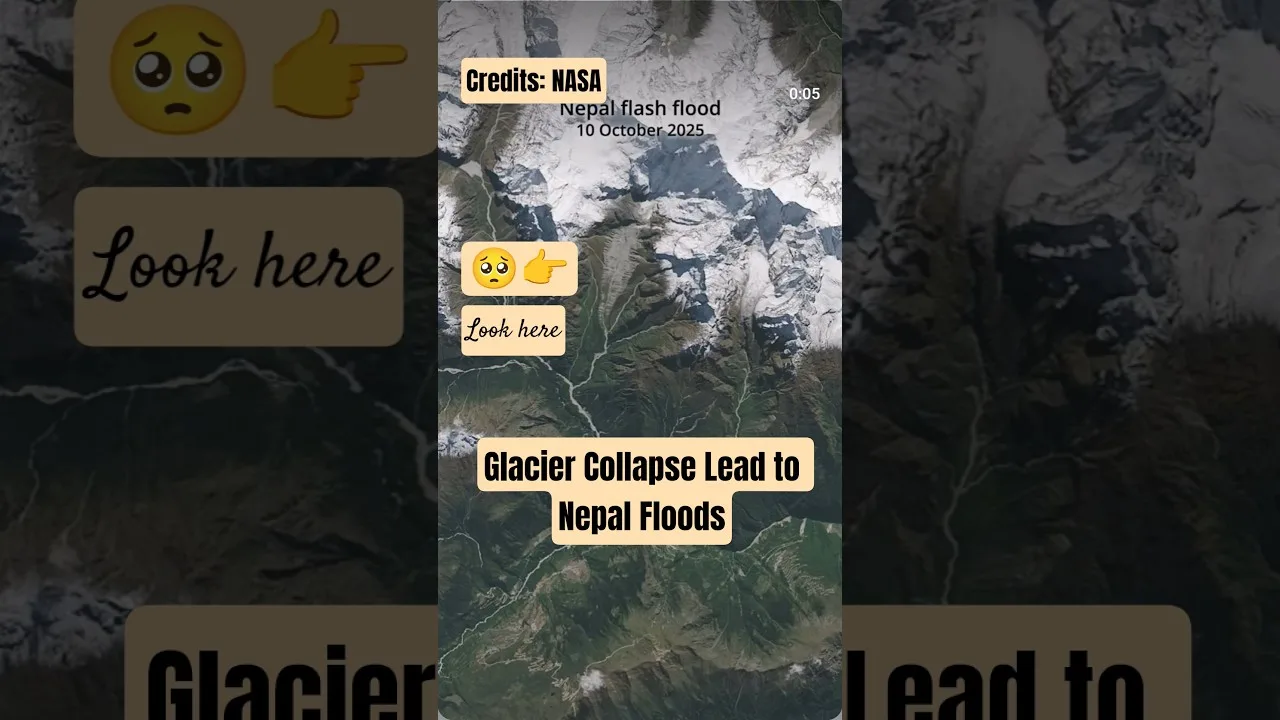

Table of Contents
- Glacier Collapse Nepal: Triggering the Rasuwa Floods
- Geomorphological Triggers
- Impact on Local Communities
- Economic Consequences
- Scientific Analysis and Data Collection
- Climate Change Links
- Emergency Response and Relief Efforts
- Community Resilience Initiatives
- Long‑Term Environmental Concerns
- Policy Recommendations
- Future Outlook
The recent Glacier Collapse Nepal event unleashed a catastrophic flood in the Rasuwa district, reshaping the Himalayan landscape and claiming lives. The disaster unfolded when a massive ice mass broke away from a glacier, triggering an avalanche that released an enormous volume of water, ice, and debris into the river system. The cascading flow intensified downstream, causing destructive flash flooding that inundated villages, washed away infrastructure, and left communities in distress. This tragedy highlights the volatile nature of glacial hazards in the region.
- The Glacier Collapse Nepal triggered an avalanche that released millions of cubic meters of water and debris.
- Flash floods devastated multiple villages in Rasuwa, destroying homes and critical infrastructure.
- Emergency response teams were quickly mobilized, but logistical challenges hampered immediate relief.
- Scientific analysis points to climate change as a contributing factor to increased glacial instability.
- Long‑term recovery will require resilient infrastructure and improved early‑warning systems.
Glacier Collapse Nepal: Triggering the Rasuwa Floods
The Glacier Collapse Nepal incident is a stark example of how a sudden Glacier failure can cascade into a deadly flood. When the ice mass gave way, the rapid release of water behaved like a dam burst, overwhelming the narrow valleys of the Rasuwa district. The resulting torrent carried not only water but also boulders, sediment, and organic debris, which further amplified the destructive power of the flood. Understanding this chain of events is essential for developing mitigation strategies that can protect downstream communities.
Geomorphological Triggers
In the Himalayan region, steep topography combined with heavy monsoon rains creates perfect conditions for geomorphic processes. The Glacier Collapse Nepal event was preceded by weeks of intense precipitation, which softened soil and increased runoff. This moisture, together with the sudden release of ice, accelerated the flow of water through gullies and riverbeds. The interaction of these factors exemplifies why the Himalayas are prone to sudden, high‑energy events such as flash floods.
Impact on Local Communities

The immediate impact of the Glacier Collapse Nepal floods was felt most acutely in rural villages that line the Seti and Trishuli rivers. Homes were submerged within minutes, and livestock were swept away. Bridges and road networks, already fragile, were either destroyed or rendered impassable, cutting off access to medical facilities and food supplies. The loss of agricultural land and the contamination of water sources have created a secondary crisis, threatening food security for months to come. Residents now face the daunting task of rebuilding while coping with the psychological trauma of sudden loss.
Economic Consequences
Beyond human suffering, the Glacier Collapse Nepal disaster has imposed a heavy economic toll. Preliminary estimates from local authorities suggest damages exceeding NPR 2 billion, affecting sectors ranging from tourism to small‑scale farming. The destruction of key transportation links has also impeded the movement of goods, inflating prices in remote market towns. Insurance claims are being processed, yet many families lack formal coverage, leaving them dependent on government aid and NGOs for recovery.
Scientific Analysis and Data Collection
Researchers from the Department of Hydrology and the International Center for Integrated Mountain Development have deployed sensors and drones to map the post‑event landscape. Their findings reveal that the volume of water released during the Glacier Collapse Nepal event was roughly 15 million cubic meters, comparable to a medium‑sized reservoir. Satellite imagery confirms the formation of a new alluvial fan downstream, which will continue to influence river dynamics for years. These data are crucial for refining flood models that can predict the behavior of future glacial lake outburst floods (GLOFs) in the region.
Climate Change Links
Many scientists attribute the increasing frequency of events like Glacier Collapse Nepal to climate change. Rising temperatures in the Himalayas cause glaciers to thin and retreat, creating unstable ice cliffs that are prone to collapse. Moreover, altered precipitation patterns intensify monsoon bursts, adding more water to already saturated river systems. The convergence of these factors creates a feedback loop that heightens the risk of catastrophic floods, making climate adaptation a central pillar of disaster risk reduction.
Emergency Response and Relief Efforts
Within hours of the Glacier Collapse Nepal floods, the Nepalese government declared a state of emergency and activated the National Disaster Management Authority (NDMA). Helicopters air‑lifted food, medicine, and shelter materials to isolated villages, while ground teams navigated destroyed roads to deliver aid. International organizations such as UNICEF and the Red Cross also contributed resources, focusing on water purification and disease prevention. Despite these efforts, challenges such as landslides blocking access routes and limited communication infrastructure slowed the distribution of assistance.
Community Resilience Initiatives
Local communities are already developing resilience strategies to mitigate the impact of future events like Glacier Collapse Nepal. Community‑based early‑warning systems, utilizing simple rain gauges and river level monitors, are being installed in high‑risk zones. Training programs teach residents how to evacuate quickly and secure livestock, while savings groups are forming to provide micro‑loans for rebuilding. These bottom‑up approaches complement top‑down policies and demonstrate the vital role of local knowledge in disaster risk management.
Long‑Term Environmental Concerns
The Glacier Collapse Nepal disaster has left an indelible mark on the ecosystem. Sedimentation in river channels can alter habitats for aquatic species, while the deposition of debris may affect agricultural productivity for decades. Moreover, the disturbance of glacial moraines can lead to the formation of new glacial lakes, which pose additional GLOF risks downstream. Continuous monitoring is essential to track these ecological changes and to anticipate secondary hazards that may arise from the initial event.
Policy Recommendations
Policy makers must integrate scientific findings into comprehensive risk reduction frameworks. Recommended actions include: strengthening building codes for flood‑prone areas, investing in early‑warning infrastructure, and allocating funds for climate‑resilient infrastructure. Additionally, cross‑border cooperation is needed because glacial systems transcend political boundaries. The Glacier Collapse Nepal incident serves as a catalyst for regional collaboration, encouraging neighboring countries to share data, best practices, and resources for joint disaster preparedness.
Future Outlook
As the Himalayan region continues to warm, events similar to Glacier Collapse Nepal are likely to become more frequent and severe. However, increased awareness and improved technology offer hope for better preparedness. Communities, governments, and scientists must work hand‑in‑hand to transform challenges into opportunities for innovation, ensuring that the lessons learned from this tragedy lead to a safer, more resilient future for all who call the Himalayas home.
For further reading, explore comprehensive studies on glacial lake outburst floods and climate impacts in the Himalayas. Rasuwa District provides additional demographic and geographic context that enriches the understanding of the affected region.
Frequently Asked Questions
The floods were caused by a sudden Glacier Collapse Nepal event, where a massive ice mass broke away, triggering an avalanche that released a huge volume of water, ice, and debris into the river system.
While exact figures vary, initial reports indicate dozens of lives lost, thousands displaced, and widespread damage to homes and infrastructure across multiple villages in Rasuwa.
Authorities are implementing community‑based early‑warning systems, improving infrastructure resilience, and conducting scientific monitoring of glacial lakes. Policy recommendations also focus on climate‑adaptation strategies and regional cooperation.
