Blog
Geography of Pacific Region -Pacific Realm-Geoecologist

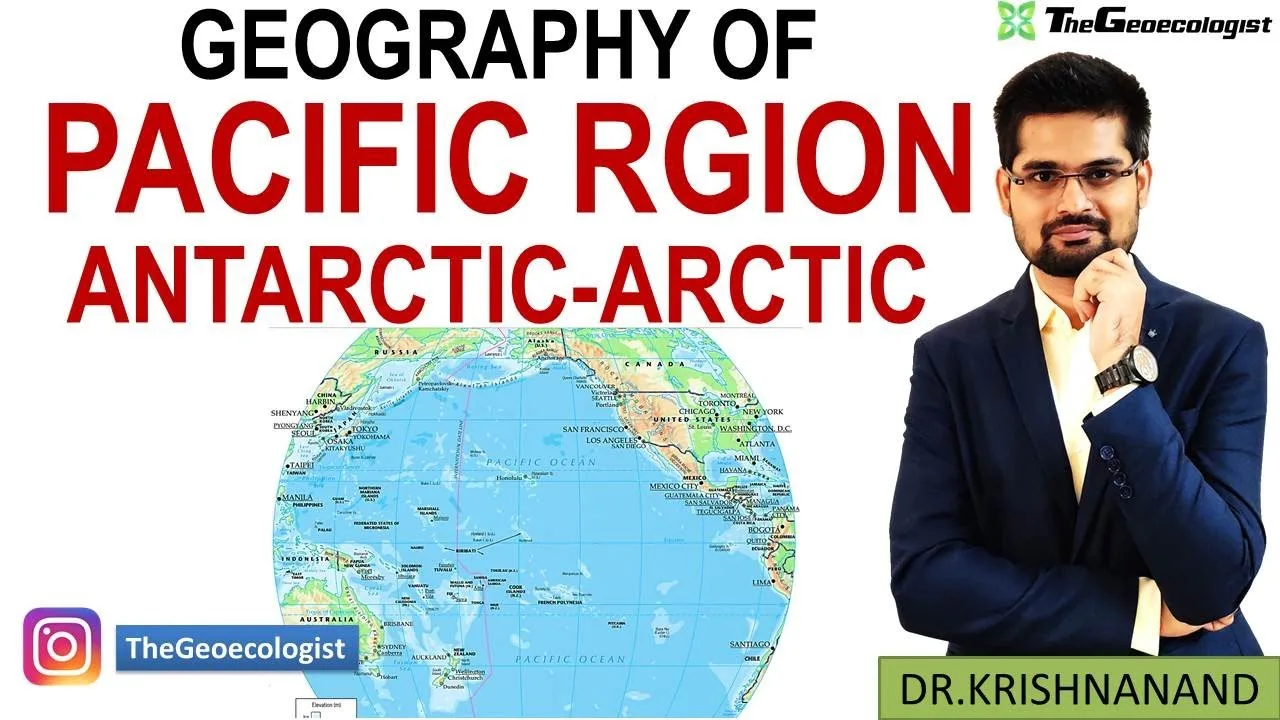
Geography of Pacific Region -Pacific Realm-Geoecologist
Exploring the Geography of the Pacific Region: A Comprehensive Guide for UPSC and Competitive Exams
By Dr. Krishnanand, Founder of TheGeoecologist
The Pacific Region, often termed the Pacific Realm, is one of the most dynamic and diverse geographical areas on Earth. Spanning a vast expanse of the Pacific Ocean, this region is characterized by its unique physical, cultural, and geopolitical landscapes. For UPSC aspirants and geography students, understanding its intricacies is crucial for mastering Regional Geography. This article breaks down key concepts, aligned with competitive exam syllabi, including Geography Optional.
1. Introduction to the Pacific Realm
The Pacific Realm encompasses thousands of islands scattered across the Pacific Ocean, broadly categorized into three sub-regions:
- Melanesia: Includes Papua New Guinea, Fiji, and the Solomon Islands.
- Micronesia: Comprises small islands like Guam and the Marshall Islands.
- Polynesia: Stretches from Hawaii to New Zealand and Easter Island.
Its sheer size—covering nearly one-third of Earth’s surface—makes it a critical area for studying oceanography, biodiversity, and human-environment interactions.
2. Physical Geography
- Tectonic Activity: The Pacific Realm lies within the Ring of Fire, a seismically active zone marked by frequent earthquakes, volcanic eruptions, and tsunamis. Subduction zones here form island arcs like the Japanese archipelago.
- Island Formation:
- Volcanic Islands: Created by hotspot activity (e.g., Hawaii).
- Coral Atolls: Circular reefs surrounding lagoons, formed atop submerged volcanoes (e.g., Maldives).
- Oceanic Features: The Mariana Trench, the deepest point on Earth, and the Great Barrier Reef, the world’s largest coral system (off Australia), highlight the region’s extremes.
3. Climate and Weather
- Dominated by trade winds and the Inter-Tropical Convergence Zone (ITCZ), which drive seasonal rainfall.
- Cyclones and Typhoons: Frequent in the western Pacific, impacting nations like the Philippines.
- El Niño-Southern Oscillation (ENSO): Causes climatic fluctuations, affecting global weather patterns.
4. Biodiversity and Ecosystems
- Marine Life: The Pacific hosts over half of the world’s marine species, including whales, sharks, and endemic fish.
- Terrestrial Ecosystems: Unique flora and fauna, such as Fiji’s banded iguanas and Hawaii’s honeycreepers, thrive in isolated island habitats.
- Threats: Coral bleaching due to warming oceans and invasive species endanger fragile ecosystems.
5. Cultural Diversity
- Home to indigenous communities with rich traditions, including Māori (New Zealand), Polynesian navigators, and Melanesian tribal groups.
- Over 1,000 languages are spoken, reflecting deep-rooted cultural fragmentation.
6. Geopolitical and Economic Significance
- Strategic Importance: Key sea routes connecting Asia and the Americas traverse the Pacific.
- Resource Wealth: Fisheries, minerals (e.g., deep-sea nodules), and potential offshore oil reserves.
- Regional Organizations: Pacific Islands Forum (PIF) promotes cooperation among 18 nations.
- Global Tensions: Rising Chinese influence and U.S. alliances underscore the region’s geopolitical stakes.
7. Environmental Challenges
- Climate Change: Low-lying nations like Kiribati and Tuvalu face existential threats from sea-level rise.
- Plastic Pollution: The Pacific Garbage Patch highlights oceanic waste management issues.
- Sustainable Development: Balancing economic growth with ecological preservation remains a priority.
8. Relevance to UPSC and Competitive Exams
- Key Topics:
- Role of the Ring of Fire in natural disasters.
- Impact of ENSO on Indian monsoons.
- Geopolitical strategies in the Indo-Pacific.
- Climate justice for small island states.
- Regional Planning: Concepts like blue economy and integrated coastal zone management are vital (covered in-depth in our Simplified Regional Planning E-book).
Conclusion
The Pacific Realm’s geographical diversity offers unparalleled insights into physical processes, cultural heritage, and contemporary global challenges. For UPSC aspirants, mastering this region enhances answers in both Prelims and Mains, particularly in Geography Optional.
Enhance Your Preparation:
- Watch the detailed video lecture by Dr. Krishnanand on TheGeoecologist YouTube Channel.
- Download our e-book for specialized content on regional planning.
- Follow us on Instagram for daily updates and resources.
Subscribe to THEGEOECOLOGIST for expert guidance and unlock perks by joining our channel!
GeographyOfPacific #PacificRealm #UPSCGeography #Geoecologist #RegionalGeography
Copyright © TheGeoecologist. This content is for educational purposes only. Visit TheGeoecologist Website for more resources.
To Download E-Books & Study Material Visit The Shop Page