Data-Its Source and Compilation-Chapter 1-Class 12 NCERT Geography
Understanding Data: Sources and Compilation – A Comprehensive Guide for Class 12 Geography and Competitive Exams
Data forms the backbone of geographical studies, enabling us to analyze patterns, interpret trends, and make informed decisions. Chapter 1 of Class 12 NCERT Geography textbook, "Data-Its Source and Compilation", introduces students to the fundamentals of collecting and organizing data for practical applications. This article summarizes key concepts from the chapter, supplemented by insights from TheGeoecologist’s Hindi-English mixed-language video tutorial, making it a valuable resource for CBSE students and competitive exam aspirants.
What is Data?
Data refers to raw facts, numbers, or statistics collected for analysis. In geography, data helps understand spatial phenomena like population distribution, climate patterns, or economic activities. It can be:
- Primary Data: Collected firsthand through surveys, field observations, or experiments.
- Example: Conducting a household survey to study migration patterns.
- Secondary Data: Obtained from existing sources like census reports, government publications, or research journals.
- Example: Using Census of India data to analyze population density.
Sources of Data
The chapter emphasizes two broad categories of data sources:
1. Primary Sources
- Surveys: Structured questionnaires or interviews (e.g., socio-economic surveys).
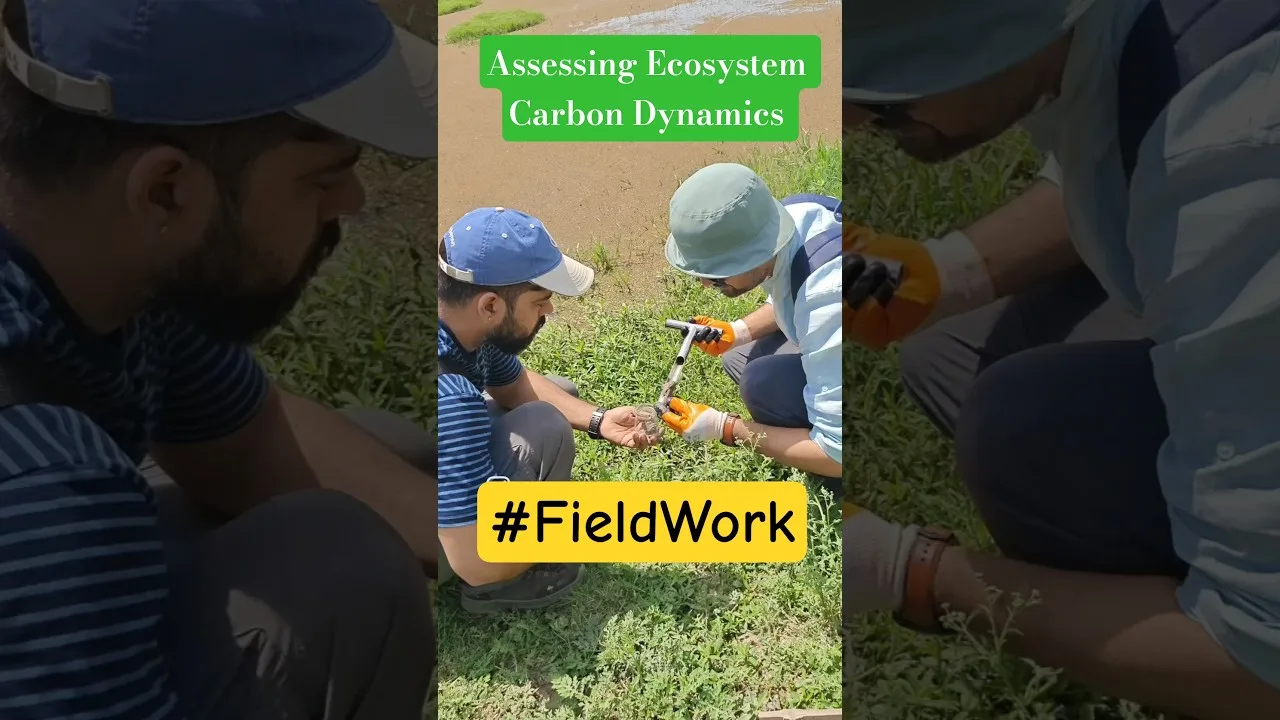
- Fieldwork: Observing and recording geographical features (e.g., soil sampling, land use mapping).
- Technology-Driven Methods: GPS, drones, or sensors for real-time data collection.
2. Secondary Sources
- Published Reports: Census data, annual reports of ministries, or NGOs.
- Satellite Imagery: Remote sensing data from ISRO or NASA.
- Digital Databases: Online platforms like IndiaStat or GIS-based portals.
Data Compilation Techniques
Compiling data involves organizing raw information into a usable format. Key steps include:
- Editing: Checking data for accuracy and consistency.
- Classification: Grouping data into categories (e.g., age groups, income levels).
- Tabulation: Presenting data in tables for clarity.
- Visual Representation: Creating graphs, maps, or charts to highlight trends.
Why is this Chapter Important for Exams?
- CBSE Class 12: Directly linked to practical exams, where students must demonstrate data collection and presentation skills.
- CUET & UGC NET: Questions on data sources and methods are common in the Geography/Basic ICT sections.
- UPSC: Topics like census data, remote sensing, and GIS are crucial for Geography optional papers and GS papers.
Tips from TheGeoecologist’s Video Tutorial
TheGeoecologist’s bilingual video simplifies complex concepts by:
- Explaining technical terms in Hindi and English.
- Demonstrating data compilation using real-world examples (e.g., constructing a population pyramid).
- Highlighting MCQs and diagram-based questions likely to appear in exams.
Enhance Your Learning with Paid Courses
For in-depth guidance, consider enrolling in TheGeoecologist’s specialized courses on practical geography, GIS, and competitive exam strategies. Visit https://thegeoecologist.com/ to access structured study materials and interactive sessions.
Stay Connected
- Email: krishna.geography@gmail.com
- Instagram: @thegeoecologist
#practicalgeography #class12practical #ncertclass12geography #ncertgeography #upscpreparation #cuet2024
By mastering data sources and compilation techniques, students and aspirants can build a strong foundation for academic success and competitive exams. This chapter not only enhances analytical skills but also prepares learners to tackle real-world geographical challenges! 🌍📊
To Download E-Books & Study Material Visit The Shop Page